
Navigating the Roads Safely with Traffic Management Signs
Traffic Management Signs: Enhancing Safety and Efficiency on the Roads
Effective traffic management is crucial for ensuring the smooth flow of vehicles, pedestrians, and cyclists on our roads. One essential component of traffic management is the use of clear and visible traffic signs. These signs play a vital role in guiding road users, alerting them to potential hazards, and regulating traffic flow.
The Importance of Traffic Management Signs
Traffic management signs serve several important functions:
- Guidance: Traffic signs provide essential information to drivers, helping them navigate unfamiliar roads, junctions, and roundabouts.
- Warning: Signs such as ‘Stop’, ‘Give Way’, and ‘Pedestrian Crossing’ warn road users of potential dangers ahead, prompting them to take appropriate action.
- Regulation: Regulatory signs like speed limits, no entry, and one-way systems help maintain order on the roads and prevent accidents.
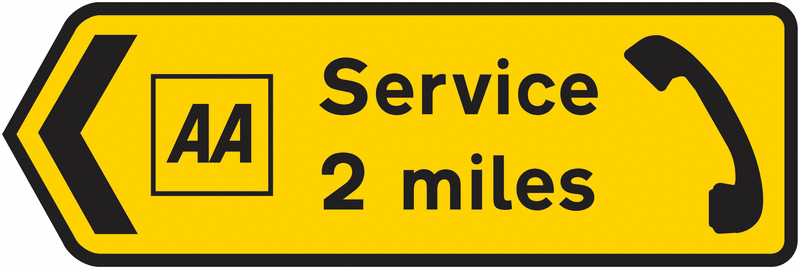
- Information: Signs indicating services such as petrol stations, rest areas, and tourist attractions offer valuable information to drivers during their journey.
The Different Types of Traffic Management Signs
Traffic management signs can be broadly classified into three categories:
- Regulatory Signs: These signs enforce traffic laws and regulations. Examples include speed limits, no parking zones, and mandatory turn directions.
- Warning Signs: Warning signs alert road users to potential hazards or changes in road conditions. Common warning signs include ‘Slippery Road’, ‘Road Works Ahead’, and ‘Pedestrian Crossing’.
- Informational Signs: Informational signs provide guidance on services, facilities, directions, distances, and points of interest. They help drivers make informed decisions during their journey.
The Role of Technology in Modern Traffic Management
In recent years, advancements in technology have revolutionised traffic management systems. Intelligent transportation systems (ITS) now incorporate digital signage, variable message signs (VMS), and LED displays to convey real-time information to road users. These dynamic signs can adapt to changing traffic conditions, accidents, or road closures efficiently.
Furthermore, smart sensors embedded in roads can communicate with traffic signals to optimise signal timing based on traffic volume. This technology helps reduce congestion, improve safety, and enhance overall traffic flow in urban areas.
In Conclusion
Traffic management signs are indispensable tools for creating safer roads and enhancing the efficiency of our transportation networks. By providing clear guidance, warnings about potential hazards, and essential information to road users, these signs play a crucial role in maintaining order and preventing accidents on our roads.
Six Key Benefits of Traffic Management Signs: Enhancing Safety and Efficiency on the Roads
- Enhance road safety by alerting drivers to potential hazards
- Regulate traffic flow and prevent congestion
- Provide clear guidance to drivers, especially in unfamiliar areas
- Improve communication of important information such as speed limits and directions
- Increase awareness of road rules and regulations for all road users
- Help reduce the risk of accidents and promote a safer driving environment
Challenges of Traffic Management Signs: Visual Clutter, Night-Time Limitations, and Driver Compliance Dependency
Enhance road safety by alerting drivers to potential hazards
One significant benefit of traffic management signs is their ability to enhance road safety by alerting drivers to potential hazards. These signs serve as crucial warning mechanisms, notifying drivers of dangers ahead such as sharp bends, pedestrian crossings, roadworks, or reduced speed zones. By providing timely and clear warnings, traffic management signs help drivers anticipate and react to hazards proactively, reducing the risk of accidents and ensuring a safer driving experience for all road users.
Regulate traffic flow and prevent congestion
One significant advantage of traffic management signs is their ability to regulate traffic flow and prevent congestion on roads. By clearly indicating speed limits, lane directions, and other regulatory information, these signs help drivers navigate efficiently and safely. With proper guidance from these signs, motorists can adjust their speed and lane positioning accordingly, reducing the likelihood of bottlenecks and gridlock. This proactive approach to managing traffic flow not only enhances road safety but also contributes to a smoother and more streamlined driving experience for all road users.
Provide clear guidance to drivers, especially in unfamiliar areas
One of the key advantages of traffic management signs is their ability to provide clear guidance to drivers, particularly in unfamiliar areas. These signs play a crucial role in helping motorists navigate unknown roads, junctions, and roundabouts with confidence. By displaying essential information such as directions, lane markings, and upcoming exits, traffic signs ensure that drivers can make informed decisions and stay on the correct route, ultimately enhancing road safety and reducing the likelihood of confusion or wrong turns.
Improve communication of important information such as speed limits and directions
One significant advantage of traffic management signs is their ability to enhance the communication of vital information, such as speed limits and directions, to road users. Clear and visible signage displaying speed limits helps drivers adhere to legal requirements, promoting road safety and reducing the risk of accidents. Additionally, directional signs provide crucial guidance to motorists, ensuring they navigate roads effectively and reach their destinations efficiently. By improving the communication of essential information, traffic management signs play a key role in enhancing overall road safety and traffic flow.
Increase awareness of road rules and regulations for all road users
One significant advantage of traffic management signs is their ability to increase awareness of road rules and regulations for all road users. By prominently displaying regulatory signs such as speed limits, no entry zones, and pedestrian crossings, road signs serve as constant reminders of the laws that govern safe and responsible driving. This increased visibility helps educate drivers, pedestrians, and cyclists about the rules they must follow on the road, ultimately promoting a culture of compliance and enhancing overall road safety for everyone.
Help reduce the risk of accidents and promote a safer driving environment
Traffic management signs play a pivotal role in helping to reduce the risk of accidents and fostering a safer driving environment on our roads. By clearly indicating speed limits, warning of potential hazards, and guiding drivers with regulatory information, these signs enhance road safety for all users. Through their proactive communication of crucial information, traffic management signs contribute significantly to accident prevention and create a conducive environment for responsible and attentive driving practices.
Visual clutter
Visual clutter is a significant con associated with traffic management signs. When there is an excessive number of signs concentrated in a single area, it can create visual overload for drivers. This inundation of information may overwhelm drivers, making it challenging for them to quickly and accurately process the necessary information. As a result, visual clutter caused by an abundance of traffic management signs has the potential to lead to confusion and reduce overall road safety by hindering clear decision-making while driving.
Limited effectiveness at night
During nighttime or adverse weather conditions, some traffic management signs may suffer from limited visibility or legibility, diminishing their effectiveness in guiding road users. The reduced contrast between the sign and its background, inadequate lighting, or obscured visibility due to fog or heavy rain can make it challenging for drivers to interpret and respond to these signs promptly. This limitation highlights the importance of implementing additional measures such as reflective materials, enhanced lighting systems, and strategic sign placement to improve the visibility and legibility of traffic signs in low-light conditions for enhanced road safety.
Dependency on driver compliance
Dependency on driver compliance is a significant con of traffic management signs. While these signs play a crucial role in conveying essential information and warnings to road users, their effectiveness is contingent upon drivers following the instructions displayed. Unfortunately, there is no guarantee that all drivers will comply with the signage, leading to potential risks and disruptions in traffic flow. This dependency on driver behaviour highlights a limitation in the efficacy of traffic management signs and underscores the need for additional measures to ensure road safety and efficiency.