
Enhancing Road Safety with Yellow Paint on Roads
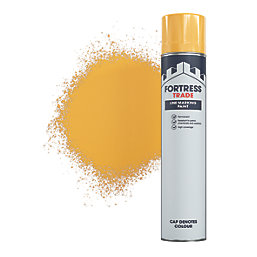
The Importance of Road Yellow Paint in Enhancing Traffic Safety
Yellow paint on roads plays a crucial role in enhancing traffic safety and improving road visibility for drivers. The distinctive yellow colour is widely used for various road markings due to its high visibility and ability to grab attention, especially in low-light conditions or poor weather.
Key Benefits of Road Yellow Paint:
- Clear Visibility: Yellow road markings stand out against the asphalt, making them easily noticeable by drivers. This helps in guiding motorists, pedestrians, and cyclists on the road.
- Warning Signs: Yellow paint is commonly used for warning signs such as chevrons, arrows, and hazard indicators. These markings alert drivers to potential dangers ahead, prompting them to take necessary precautions.
- Separation of Lanes: Yellow lines are frequently used to separate lanes of traffic, indicating where vehicles should position themselves on the road. This helps in reducing lane merging conflicts and improving traffic flow.
- Crosswalks and Pedestrian Safety: Yellow zebra crossings are essential for pedestrian safety at intersections and crossings. The bright colour draws attention to these areas, prompting drivers to yield to pedestrians crossing the road.
Maintenance and Durability:
To ensure the effectiveness of yellow road paint, regular maintenance is essential. Over time, weather conditions, traffic volume, and general wear can cause the paint to fade or deteriorate. It is crucial for authorities to schedule routine inspections and repaint faded markings promptly to maintain road safety standards.
In Conclusion
Road yellow paint plays a vital role in enhancing traffic safety by providing clear guidance, warning signs, lane separation, and pedestrian protection on roads. Its high visibility properties make it an indispensable tool for ensuring smooth traffic flow and reducing accidents on our roads.
Understanding Yellow Road Paint: Common Questions and Answers
- What is the best paint for road markings?
- What does yellow spray paint mean?
- What kind of paint is yellow road paint?
- What color is road paint?
- What kind of paint is used on roads?
- What yellow paint is used on roads?
What is the best paint for road markings?
When it comes to road markings, choosing the best paint is crucial for ensuring durability, visibility, and adherence to safety standards. The best paint for road markings is typically a high-quality, durable thermoplastic or acrylic-based paint that offers excellent adhesion to road surfaces and resistance to wear from traffic and weather conditions. These paints are designed to provide long-lasting, bright markings that remain visible even in challenging environments. It is important to consult with professionals or authorities in the field of road marking to determine the most suitable type of paint for specific road marking projects based on factors such as traffic volume, road surface type, and local weather conditions.
What does yellow spray paint mean?
In the context of road markings, yellow spray paint is commonly used to indicate various road features and warnings to road users. Yellow spray paint often signifies caution, alerting drivers to potential hazards or changes in road conditions ahead. For example, yellow spray paint may be used to mark temporary construction zones, pedestrian crossings, school zones, or areas where extra attention is required. It serves as a visual cue for motorists to proceed carefully and be prepared for specific situations on the road.
What kind of paint is yellow road paint?
Yellow road paint is typically a specially formulated thermoplastic paint that contains yellow pigments to achieve its distinctive colour. This type of paint is designed to be highly durable and resistant to wear from traffic and weather conditions. The composition of yellow road paint may vary depending on the specific requirements of the road marking project, but it is commonly made to adhere well to asphalt surfaces and provide excellent visibility for drivers, pedestrians, and cyclists. Using high-quality yellow road paint is essential for creating clear and long-lasting markings that enhance road safety and traffic management.
What color is road paint?
Road paint used on roads is typically available in a variety of colours, with white and yellow being the most commonly used colours. White paint is often used for dividing lanes, marking pedestrian crossings, and highlighting stop lines, while yellow paint is commonly used for warning signs, indicating no-overtaking zones, and marking the centre line on two-way roads. The choice of colour for road paint serves specific purposes related to traffic safety and regulation, with each colour having its own significance in guiding road users and enhancing visibility on the road.
What kind of paint is used on roads?
The paint used on roads, particularly for yellow markings, is typically a specially formulated road marking paint. This type of paint is designed to withstand heavy traffic, harsh weather conditions, and UV exposure. Road marking paint is known for its durability, high visibility, and quick drying properties, making it ideal for creating clear and long-lasting road markings that help guide and inform road users effectively. Additionally, road marking paints often adhere well to various road surfaces, ensuring that the markings remain intact and visible for an extended period of time.
What yellow paint is used on roads?
The yellow paint used on roads is typically a specially formulated road marking paint that is designed for high visibility and durability. This type of paint is specifically engineered to withstand heavy traffic, harsh weather conditions, and UV exposure to maintain its bright yellow colour over time. Road authorities and contractors often use thermoplastic or cold plastic paints for yellow road markings due to their long-lasting properties and adherence to road surfaces. These paints are applied using professional equipment and techniques to ensure clear and effective road markings that enhance traffic safety for all road users.