
Enhancing Road Safety: The Importance of Clear Road Marking Signs
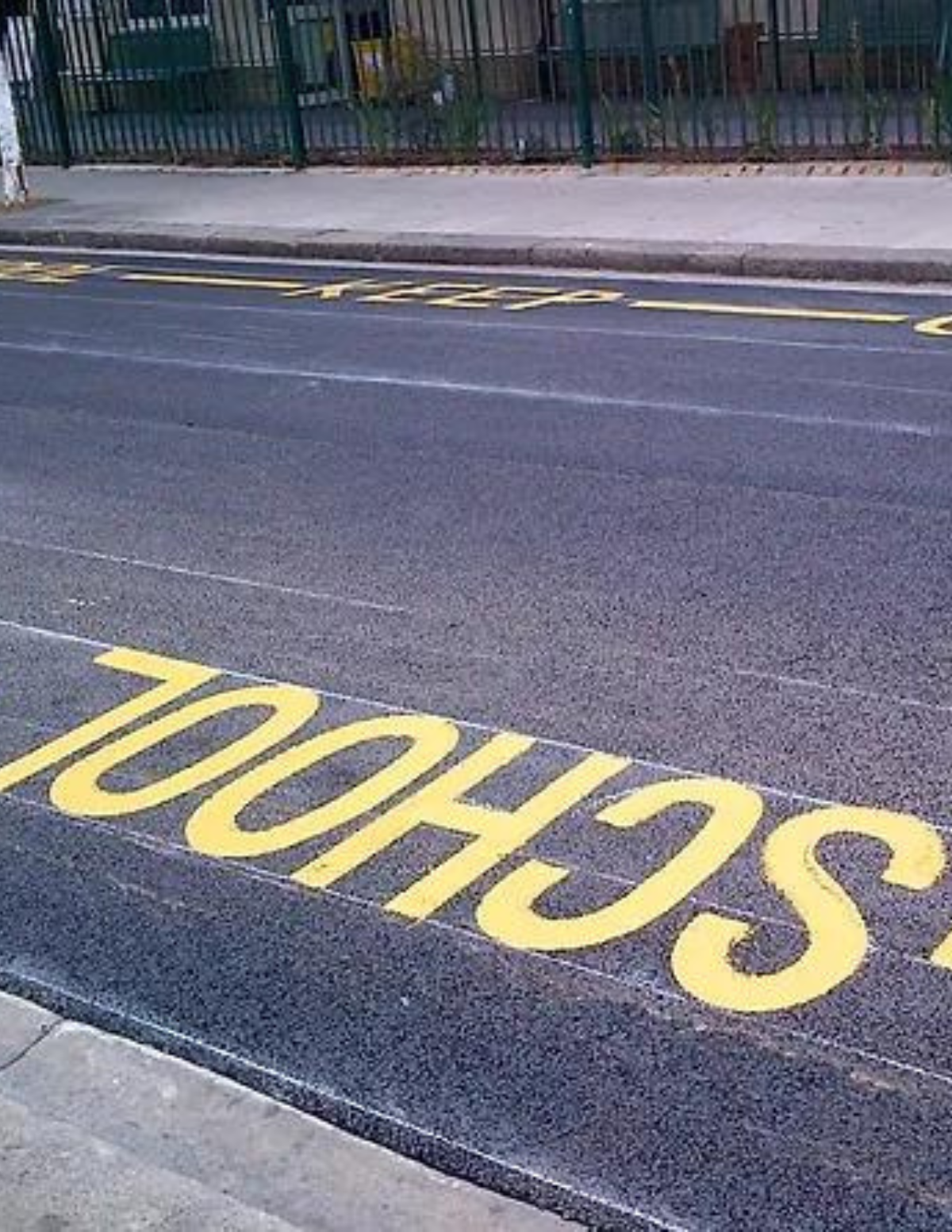
The Importance of Road Marking Signs
Road marking signs play a crucial role in ensuring safety and efficiency on our roads. These signs provide valuable information to drivers, pedestrians, and cyclists, helping them navigate the road network smoothly and securely. From indicating lane divisions to warning of potential hazards, road marking signs are essential for maintaining order and reducing the risk of accidents.
Types of Road Marking Signs
There are various types of road marking signs, each serving a specific purpose:
- Directional arrows: These signs indicate the direction in which vehicles should proceed, helping drivers stay in the correct lane and navigate intersections safely.
- Crosswalk markings: These markings designate pedestrian crossings, alerting drivers to yield to pedestrians and enhancing pedestrian safety.
- Stop lines: Stop lines are used at intersections to indicate where vehicles must come to a complete stop, ensuring smooth traffic flow and preventing collisions.
- Speed limit markings: These signs indicate the maximum speed allowed on a particular stretch of road, promoting safe driving practices and reducing the risk of accidents.
The Benefits of Road Marking Signs
The presence of clear and well-maintained road marking signs offers several benefits:
- Improved safety: Road marking signs help prevent confusion among road users, reducing the likelihood of accidents and enhancing overall road safety.
- Traffic flow efficiency: By providing clear instructions to drivers, road marking signs help streamline traffic flow, minimise congestion, and improve overall traffic management.
- Pedestrian protection: Crosswalk markings and pedestrian crossing signs enhance pedestrian visibility and encourage drivers to yield to pedestrians at designated crossings.
- Compliance with regulations: Road marking signs ensure that drivers adhere to traffic laws and regulations, promoting responsible driving behaviour and reducing the risk of violations.
Maintenance and Upkeep
To ensure the effectiveness of road marking signs, regular maintenance is essential. Faded or damaged markings should be promptly repaired or repainted to maintain visibility and clarity. Routine inspections can help identify areas that require attention, ensuring that road marking signs continue to serve their intended purpose effectively.
In conclusion, road marking signs play a vital role in promoting safety, efficiency, and order on our roads. By providing clear guidance to road users and enhancing communication between drivers, pedestrians, and cyclists, these signs contribute significantly to creating a safer and more organised road environment for all.
Seven Benefits of Road Marking Signs: Enhancing Safety and Efficiency on UK Roads
- Enhance road safety by providing clear guidance to drivers and pedestrians.
- Help prevent accidents by indicating lane divisions, pedestrian crossings, and potential hazards.
- Improve traffic flow efficiency by guiding drivers and minimising congestion.
- Promote compliance with speed limits and traffic regulations for safer driving practices.
- Enhance pedestrian safety by clearly marking crosswalks and pedestrian crossings.
- Facilitate smooth navigation at intersections with stop lines and directional arrows.
- Contribute to a more organised road environment, reducing confusion among road users.
Challenges and Limitations of Road Marking Signs: Addressing Visibility, Maintenance, and Driver Safety Concerns
- Road marking signs may become less visible over time due to wear and fading, reducing their effectiveness in guiding road users.
- In adverse weather conditions such as heavy rain or fog, road marking signs may be difficult to see, potentially causing confusion for drivers.
- Improper installation or maintenance of road marking signs can lead to inaccuracies or inconsistencies, creating potential hazards on the road.
- Vandalism and damage to road marking signs can compromise their visibility and clarity, posing safety risks for road users.
- Road marking signs may not always account for changing traffic patterns or developments, leading to outdated information that could confuse drivers.
- Over-reliance on road marking signs by drivers may result in reduced attention to other important factors such as traffic signals and pedestrian crossings.
- In certain situations, multiple road marking signs in close proximity can create visual clutter that overwhelms drivers, potentially causing distraction.
Enhance road safety by providing clear guidance to drivers and pedestrians.
One of the key advantages of road marking signs is their ability to enhance road safety by providing clear guidance to drivers and pedestrians. These signs serve as visual cues that communicate important information, such as lane divisions, pedestrian crossings, and speed limits, helping road users navigate the road network with confidence and awareness. By clearly indicating the rules of the road and potential hazards, road marking signs play a crucial role in reducing confusion, promoting responsible driving behaviour, and ultimately improving overall safety for everyone on the road.
Help prevent accidents by indicating lane divisions, pedestrian crossings, and potential hazards.
One significant advantage of road marking signs is their ability to help prevent accidents by clearly indicating lane divisions, pedestrian crossings, and potential hazards. By providing visual cues to drivers about the layout of the road, these signs enhance traffic organisation and awareness, reducing the risk of collisions and improving overall road safety. Lane markings guide drivers to stay in their designated lanes, while pedestrian crossing markings alert motorists to areas where pedestrians may be crossing, promoting cautious driving behaviour. Additionally, warnings about potential hazards such as sharp bends or slippery surfaces help drivers anticipate and react appropriately, further minimising the likelihood of accidents on the road.
Improve traffic flow efficiency by guiding drivers and minimising congestion.
Road marking signs play a crucial role in improving traffic flow efficiency by guiding drivers and minimising congestion on our roads. Clear and well-maintained road markings provide essential instructions to drivers, helping them stay in the correct lanes, navigate intersections smoothly, and make informed decisions while driving. By reducing confusion and ambiguity, road marking signs contribute to a more organised and streamlined traffic flow, ultimately enhancing overall traffic management and minimising congestion levels for a safer and more efficient road network.
Promote compliance with speed limits and traffic regulations for safer driving practices.
Road marking signs play a crucial role in promoting compliance with speed limits and traffic regulations, encouraging safer driving practices on our roads. By clearly indicating speed limits and other regulatory requirements, these signs help drivers adhere to the law and maintain appropriate speeds, reducing the risk of accidents and improving overall road safety. Compliance with speed limits not only enhances road safety but also contributes to smoother traffic flow and a more orderly driving environment, ultimately creating a safer and more efficient road network for all road users.
Enhance pedestrian safety by clearly marking crosswalks and pedestrian crossings.
One significant advantage of road marking signs is their ability to enhance pedestrian safety by clearly marking crosswalks and pedestrian crossings. These markings provide a visible and designated space for pedestrians to safely cross the road, alerting drivers to yield and prioritise pedestrian right of way. By clearly indicating these areas, road marking signs help reduce the risk of accidents involving pedestrians and promote a safer environment for both pedestrians and drivers to coexist harmoniously on the road.
Facilitate smooth navigation at intersections with stop lines and directional arrows.
Road marking signs, such as stop lines and directional arrows, play a crucial role in facilitating smooth navigation at intersections. Stop lines clearly indicate where vehicles must come to a complete stop, ensuring orderly traffic flow and reducing the risk of collisions. Meanwhile, directional arrows provide clear guidance on lane divisions and turning movements, helping drivers navigate intersections safely and efficiently. By delineating traffic lanes and guiding drivers on the correct paths to take, these road marking signs enhance road safety and promote seamless navigation at busy junctions.
Contribute to a more organised road environment, reducing confusion among road users.
Road marking signs play a crucial role in contributing to a more organised road environment by reducing confusion among road users. Clear and visible road markings help drivers, pedestrians, and cyclists understand lane divisions, navigate intersections, and anticipate potential hazards effectively. By providing explicit instructions and guidance, road marking signs help streamline traffic flow, minimise misunderstandings, and promote safer interactions on the road. This clarity and organisation ultimately enhance overall road safety and efficiency for all road users.
Road marking signs may become less visible over time due to wear and fading, reducing their effectiveness in guiding road users.
Over time, road marking signs may experience wear and fading, leading to a decrease in their visibility and effectiveness in guiding road users. This issue can pose a significant challenge for drivers, pedestrians, and cyclists who rely on these signs for navigation and safety on the roads. Faded road markings can cause confusion, increase the risk of accidents, and compromise overall road safety. Regular maintenance and timely repainting of road marking signs are essential to address this con and ensure that they remain clear, visible, and functional for all road users.
In adverse weather conditions such as heavy rain or fog, road marking signs may be difficult to see, potentially causing confusion for drivers.
In adverse weather conditions such as heavy rain or fog, road marking signs may pose a significant challenge as visibility is reduced, leading to potential confusion for drivers. The diminished clarity of road markings in such conditions can compromise the ability of drivers to discern lane divisions, pedestrian crossings, and other important signage, increasing the risk of navigational errors and accidents on the road. It is crucial for road authorities to consider alternative solutions or supplementary measures to address this con and ensure the safety of road users even in challenging weather conditions.
Improper installation or maintenance of road marking signs can lead to inaccuracies or inconsistencies, creating potential hazards on the road.
Improper installation or maintenance of road marking signs can pose a significant risk on the road. Inaccuracies or inconsistencies in the placement or condition of these signs can confuse drivers and pedestrians, potentially leading to hazardous situations. For instance, faded lane markings or misplaced directional arrows can result in lane encroachments or incorrect manoeuvres, increasing the likelihood of accidents. It is crucial for authorities and road maintenance teams to ensure that road marking signs are installed correctly and regularly maintained to uphold safety standards and prevent avoidable risks on the road.
Vandalism and damage to road marking signs can compromise their visibility and clarity, posing safety risks for road users.
Vandalism and damage to road marking signs can have serious consequences, compromising their visibility and clarity. When road marking signs are defaced or tampered with, it creates confusion for road users and increases the risk of accidents. The presence of obscured or illegible signs hampers communication between drivers, pedestrians, and cyclists, leading to potential safety hazards on the road. It is essential to address vandalism promptly and ensure that road marking signs are well-maintained to uphold their effectiveness in guiding and informing all road users.
Road marking signs may not always account for changing traffic patterns or developments, leading to outdated information that could confuse drivers.
One significant drawback of road marking signs is their potential to become outdated and inaccurate over time, failing to adapt to changing traffic patterns or developments. As roads evolve and traffic conditions shift, the information conveyed by these signs may no longer reflect the current situation, causing confusion among drivers. Outdated road markings can lead to uncertainty on the road, potentially compromising safety and efficiency as drivers navigate based on information that no longer aligns with the actual conditions. Regular assessment and updating of road marking signs are essential to address this con and ensure that they remain relevant and informative for all road users.
Over-reliance on road marking signs by drivers may result in reduced attention to other important factors such as traffic signals and pedestrian crossings.
An inherent con of road marking signs is the potential for drivers to become overly reliant on them, leading to a decreased focus on crucial elements like traffic signals and pedestrian crossings. When drivers solely rely on road markings for guidance, they may overlook essential cues provided by traffic lights, signage, and pedestrian crossings, compromising overall road safety. This over-reliance can result in a lack of awareness of changing road conditions and increased risk of accidents due to diminished attention to critical factors beyond just the markings on the road.
In certain situations, multiple road marking signs in close proximity can create visual clutter that overwhelms drivers, potentially causing distraction.
In certain scenarios, the presence of multiple road marking signs in close proximity can lead to visual clutter that may overwhelm drivers, increasing the risk of distraction. When drivers are faced with an abundance of signage within a limited area, it can be challenging for them to quickly process and prioritise the information presented. This visual overload has the potential to divert their attention away from critical road conditions and hazards, compromising their ability to react swiftly and safely while navigating the road network.