
Navigating the Impact of Road Delays on Commuters and Businesses
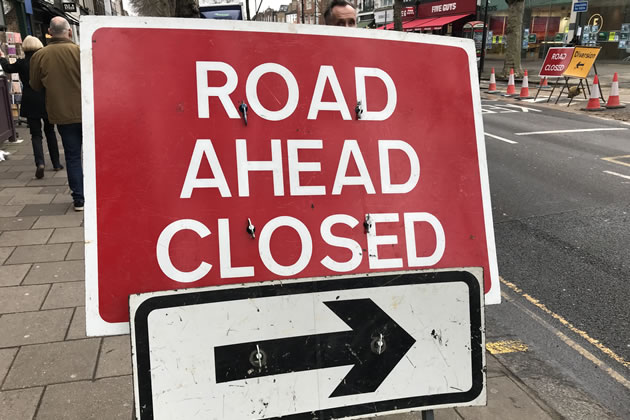
The Impact of Road Delays on Commuters and Businesses
Road delays have become a common frustration for commuters and businesses alike, causing significant disruptions to daily routines and economic activities. Whether due to heavy traffic, roadworks, accidents, or other factors, road delays can have far-reaching consequences that affect individuals and organisations in various ways.
Impact on Commuters
For commuters, road delays can lead to stress, frustration, and wasted time. Long queues of stationary vehicles not only increase travel times but also contribute to air pollution and fuel consumption. Delays can result in late arrivals at work, appointments, or other important engagements, causing inconvenience and potential repercussions.
Moreover, frequent road delays can have a negative impact on mental health and overall well-being. The daily struggle of navigating through congested roads and unpredictable delays can take a toll on individuals, leading to increased levels of anxiety and decreased productivity.
Impact on Businesses
Businesses are also significantly affected by road delays. Delivery schedules may be disrupted, leading to delayed shipments and dissatisfied customers. Employees who rely on timely transportation to reach the workplace may face challenges in punctuality and attendance.
Furthermore, businesses located in areas prone to frequent road delays may experience decreased foot traffic or customer visits. Accessibility issues resulting from road closures or diversions can deter potential clients from visiting physical locations, impacting sales and revenue.
Solutions for Mitigating Road Delays
To address the challenges posed by road delays, various solutions can be implemented. Improving infrastructure through better road planning, maintenance, and expansion can help alleviate congestion hotspots. Investing in public transport alternatives such as buses or trains can provide commuters with alternative options for their daily commute.
Additionally, leveraging technology such as traffic management systems and real-time updates can help individuals plan their journeys more efficiently and avoid congested routes. Collaboration between government agencies, businesses, and community stakeholders is essential for developing sustainable strategies to reduce road delays.
Conclusion
Road delays pose significant challenges for both commuters and businesses by impacting travel times, productivity, and economic activities. Addressing these issues requires a multi-faceted approach that focuses on infrastructure improvements, public transport enhancements, technological innovations, and stakeholder collaboration.
Understanding and Managing Road Delays: Common Causes, Solutions, and Real-Time Updates
- What are the common causes of road delays?
- How can road delays be avoided or minimised?
- What should drivers do when they encounter road delays?
- Are there any apps or websites that provide real-time updates on road delays?
- How do road delays impact traffic congestion in urban areas?
- What measures are being taken to address road delays and improve traffic flow?
What are the common causes of road delays?
Road delays can occur due to a variety of common causes that impact traffic flow and disrupt travel schedules. Some of the primary factors contributing to road delays include heavy congestion during peak hours, roadworks and maintenance activities, accidents or collisions that block lanes, inclement weather conditions such as snow or heavy rain reducing visibility and traction, and special events or parades that require road closures or diversions. Understanding these common causes of road delays can help commuters and authorities alike in implementing strategies to mitigate their effects and improve overall traffic efficiency.
How can road delays be avoided or minimised?
To avoid or minimise road delays, several strategies can be implemented. Effective traffic management practices, such as synchronising traffic signals, implementing variable speed limits, and deploying smart traffic monitoring systems, can help regulate the flow of vehicles and reduce congestion. Investing in infrastructure improvements, such as widening roads, adding dedicated lanes for buses or cyclists, and upgrading intersections, can enhance traffic capacity and alleviate bottlenecks. Encouraging the use of public transport, carpooling schemes, or flexible work hours can also help reduce the number of vehicles on the road during peak times. Additionally, proactive maintenance and timely repairs of roads and bridges can prevent unexpected closures and disruptions. Overall, a combination of planning, technology integration, and behavioural changes is essential for mitigating road delays effectively.
What should drivers do when they encounter road delays?
When drivers encounter road delays, it is important to remain calm and patient while navigating through the congested traffic. Drivers should follow any instructions from traffic control personnel or road signs, and be prepared for sudden stops or lane changes. It is advisable to maintain a safe following distance from the vehicle ahead to prevent rear-end collisions. If possible, drivers can use navigation apps or radio traffic updates to find alternative routes and avoid the worst delays. By staying alert, cooperative, and adaptive in challenging road conditions, drivers can help mitigate the impact of road delays on their journeys.
Are there any apps or websites that provide real-time updates on road delays?
In response to the frequently asked question about road delays, many apps and websites offer real-time updates on traffic conditions to help commuters navigate through potential delays efficiently. These platforms utilise GPS technology and user-generated data to provide accurate information on congestion, accidents, roadworks, and other factors affecting travel times. By accessing these apps or websites, users can plan their routes in advance, receive alerts about unexpected delays, and choose alternative paths to avoid traffic hotspots. Such tools play a crucial role in enhancing the overall commuting experience and minimising the impact of road delays on individuals’ daily routines.
How do road delays impact traffic congestion in urban areas?
Road delays play a crucial role in exacerbating traffic congestion in urban areas. When vehicles are forced to slow down or come to a standstill due to road delays, it creates a ripple effect that disrupts the flow of traffic. As congestion builds up at bottleneck points caused by delays, the overall capacity of the road network decreases, leading to longer queues, increased travel times, and heightened frustration among commuters. The domino effect of road delays can result in gridlock situations where vehicles struggle to move forward, causing further delays and compounding the congestion issue in urban areas. Addressing road delays is essential for mitigating traffic congestion and improving the efficiency of urban transportation systems.
What measures are being taken to address road delays and improve traffic flow?
In response to the frequently asked question about measures being taken to address road delays and improve traffic flow, various initiatives are being implemented to tackle congestion and enhance the efficiency of road networks. Infrastructure upgrades, such as road widening projects, intersection improvements, and the implementation of smart traffic management systems, aim to alleviate bottlenecks and streamline traffic flow. Additionally, public transport enhancements, including the expansion of bus lanes and cycling infrastructure, offer alternative modes of transportation to reduce reliance on private vehicles. Collaborative efforts between government authorities, urban planners, and transportation agencies play a crucial role in developing comprehensive strategies that prioritise sustainable mobility solutions and address the challenges posed by road delays.