
Mastering the Art of Painting Perfectly Straight Lines
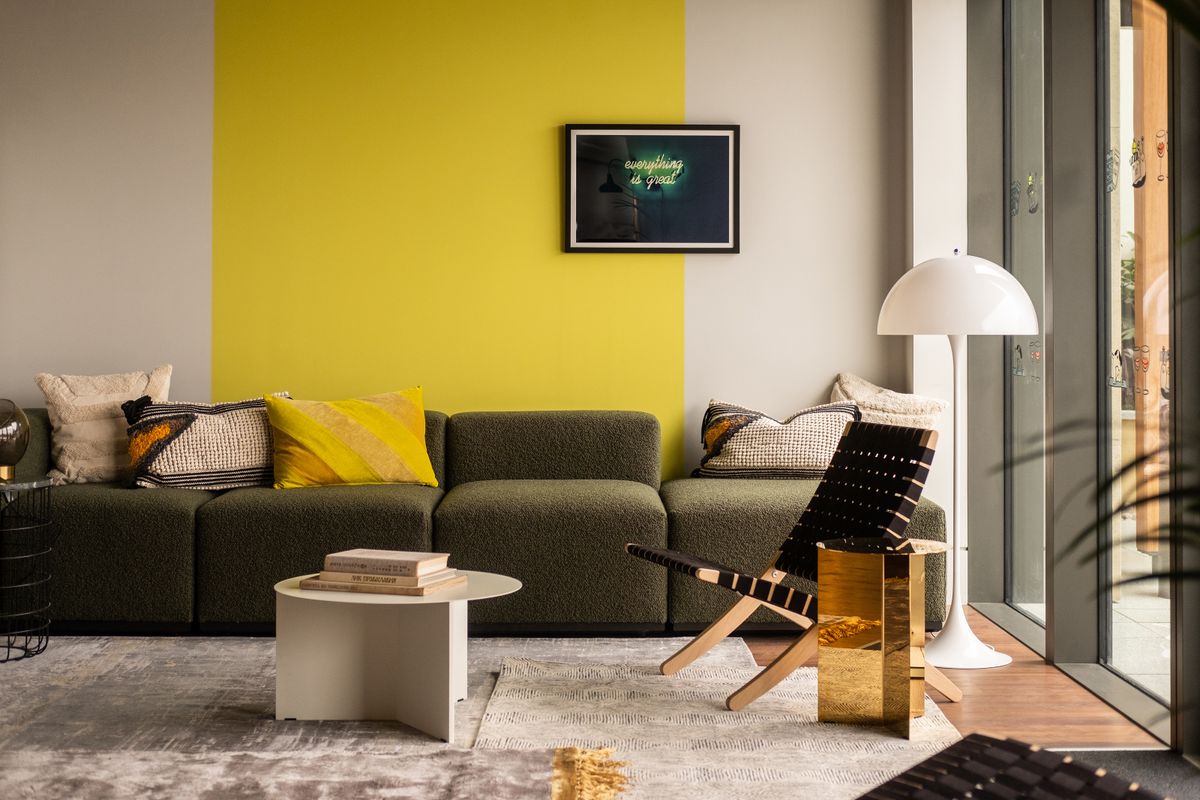
How to Paint Straight Lines: Tips and Techniques
Painting straight lines may seem like a simple task, but achieving perfectly straight lines can be challenging, especially for beginners. Whether you are painting walls, furniture, or any other surface, here are some tips and techniques to help you paint straight lines like a pro:
Use Painter’s Tape
Painter’s tape is a valuable tool for creating crisp and clean lines. Apply the tape along the edge where you want the line to be painted. Press down firmly on the tape to ensure it adheres well to the surface. Make sure to remove the tape before the paint dries completely to prevent peeling.
Invest in Quality Brushes
Using high-quality brushes can make a significant difference in achieving straight lines. Choose brushes with fine bristles that are suitable for the type of paint you are using. Practice steady and even strokes to maintain control over the brush.
Maintain Consistent Pressure
To paint straight lines, it is essential to maintain consistent pressure on the brush or roller. Avoid pressing too hard or too lightly, as this can result in uneven lines. Practice your technique on a test surface before painting your final project.
Use a Straight Edge
If you are painting long straight lines, such as borders or stripes, using a straight edge can help guide your brush or roller along a perfectly straight path. You can use a ruler, level, or masking tape as a straight edge to achieve precision.
Take Your Time
Patiently painting straight lines requires attention to detail and precision. Rushing through the process can lead to mistakes and crooked lines. Take your time and focus on maintaining a steady hand for smooth and even strokes.
By following these tips and techniques, you can improve your ability to paint straight lines with confidence and precision. Practice regularly and experiment with different methods to find what works best for you.
7 Essential Tips for Painting Perfectly Straight Lines
- Use painter’s tape to create clean edges.
- Ensure the surface is smooth and clean before painting.
- Invest in high-quality paintbrushes or masking tools for precision.
- Apply consistent pressure when painting along the edge.
- Use a steady hand and take your time for accuracy.
- Consider using a straight edge or ruler as a guide.
- Practice on a spare piece of material before painting the actual surface.
Use painter’s tape to create clean edges.
Using painter’s tape is a highly effective technique to create clean edges when painting straight lines. By applying painter’s tape along the edge where you want the line to be painted and ensuring it is firmly pressed down, you can achieve crisp and precise results. Painter’s tape helps prevent paint bleed and ensures that your lines are sharp and well-defined. Remember to remove the tape before the paint dries completely to avoid peeling and to reveal perfectly straight edges for a professional finish.
Ensure the surface is smooth and clean before painting.
Before painting straight lines, it is crucial to ensure that the surface is smooth and clean. A smooth surface allows the paint to adhere evenly, resulting in cleaner and more precise lines. Any bumps, rough patches, or dirt on the surface can interfere with the paint application and cause irregularities in the lines. By thoroughly cleaning and preparing the surface beforehand, you can create a perfect canvas for painting straight lines with professional-looking results.
Invest in high-quality paintbrushes or masking tools for precision.
Investing in high-quality paintbrushes or masking tools is essential for achieving precision when painting straight lines. Quality brushes with fine bristles allow for better control and smoother strokes, resulting in clean and crisp lines. Similarly, using reliable masking tools, such as painter’s tape or straight edges, can help guide your brush along a straight path, ensuring accuracy and professional-looking results. By choosing the right tools for the job, you can enhance your painting skills and achieve flawless straight lines in your projects.
Apply consistent pressure when painting along the edge.
When painting along the edge to achieve straight lines, it is crucial to apply consistent pressure on the brush or roller. By maintaining a steady and even pressure, you can ensure that the paint is applied smoothly and evenly, resulting in crisp and clean lines. Avoiding fluctuations in pressure helps prevent wobbliness or uneven thickness in the painted line, ultimately leading to a professional-looking finish. Consistency in pressure is key to mastering the art of painting straight lines with precision and accuracy.
Use a steady hand and take your time for accuracy.
To achieve precise and straight lines when painting, it is crucial to use a steady hand and take your time for accuracy. By maintaining a steady hand, you can ensure smooth and even strokes, resulting in clean and crisp lines. Taking the time to focus on each stroke allows for greater attention to detail and precision in your painting work. Patience and a steady hand are key elements in achieving professional-looking results when creating straight lines with paint.
Consider using a straight edge or ruler as a guide.
When aiming to paint straight lines with precision, it is advisable to consider using a straight edge or ruler as a guide. By aligning the edge along the desired path of the line, you can ensure a consistent and perfectly straight result. This technique helps maintain control over the brush or roller, resulting in clean and professional-looking lines on your painting project.
Practice on a spare piece of material before painting the actual surface.
Before painting the actual surface, it is advisable to practice on a spare piece of material to refine your technique for creating straight lines. This allows you to familiarise yourself with the tools and methods you plan to use, helping you gain confidence and precision in your painting. By practising on a test surface, you can identify any potential challenges or areas for improvement before tackling the final project, ensuring that your straight lines turn out smooth and flawless.