
Navigating Safely: The Importance of Long White Lines on the Road
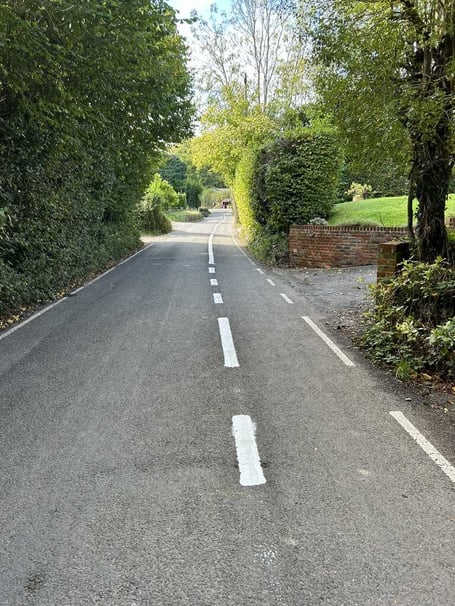
The Significance of Long White Lines on Roads
When you take to the roads, you may often notice long white lines stretching ahead of you. These markings serve a crucial purpose in guiding and regulating traffic flow, ensuring safety for all road users.
Clear Division of Lanes
The most common use of long white lines on roads is to demarcate lanes. These lines help drivers stay in their designated lanes, reducing the risk of collisions and promoting smoother traffic movement. Whether on motorways, dual carriageways, or urban roads, these markings play a vital role in maintaining order and organisation.
Enhanced Visibility
Long white lines are designed to be highly visible, especially at night or in adverse weather conditions. Their reflective properties make them stand out against the road surface, aiding drivers in navigating complex junctions, roundabouts, and intersections.
Pedestrian Safety
In urban areas, long white lines are often used to create pedestrian crossings. Zebra crossings, for example, feature parallel white stripes that signal to drivers the presence of a crossing point for pedestrians. By clearly marking these areas, road authorities aim to enhance pedestrian safety and reduce accidents involving vulnerable road users.
Traffic Management
Long white lines also play a role in traffic management strategies. They can indicate restricted zones, bus lanes, cycle lanes, or other specific areas where certain rules apply. By obeying these markings, drivers contribute to the overall efficiency and safety of the road network.
Maintenance and Compliance
To ensure their effectiveness, long white lines require regular maintenance. Fading or worn-out markings can lead to confusion among drivers and compromise road safety. Road authorities must monitor and repaint these lines periodically to uphold visibility standards and regulatory compliance.
In Conclusion
Next time you encounter long white lines on the road, remember that they are not merely decorative elements but essential tools for managing traffic flow and enhancing safety. By respecting these markings and understanding their significance, we all contribute to a safer and more efficient road environment.
7 Essential Tips for Navigating Long White Lines on UK Roads
- Long white lines on the road indicate a separation between lanes of traffic.
- Do not cross long white lines unless it is safe and necessary to change lanes or make a turn.
- Respect the white lines as they help maintain order and safety on the road.
- Avoid driving over long white lines unnecessarily to prevent accidents or confusion for other drivers.
- Be mindful of road markings alongside long white lines, as they may indicate specific rules or restrictions.
- In adverse weather conditions, such as heavy rain or fog, be extra cautious when driving near long white lines to ensure visibility and safety.
- If you are unsure about the meaning of certain road markings or signs, consult the Highway Code for guidance.
Long white lines on the road indicate a separation between lanes of traffic.
Long white lines on the road serve a crucial function by indicating a clear separation between lanes of traffic. These markings play a vital role in guiding drivers and helping them stay within their designated lanes, thereby reducing the risk of accidents and promoting smooth traffic flow. By respecting and adhering to these long white lines, drivers contribute to safer and more organised road conditions for everyone on the road.
Do not cross long white lines unless it is safe and necessary to change lanes or make a turn.
It is crucial to exercise caution and discretion when encountering long white lines on the road. Crossing these markings should only be done when it is both safe and necessary, such as when changing lanes or making a turn. By adhering to this guideline, drivers can help maintain orderly traffic flow, reduce the risk of accidents, and promote road safety for themselves and others. Remember that respecting these markings is essential for ensuring a smooth and secure driving experience on our roads.
Respect the white lines as they help maintain order and safety on the road.
Respecting the long white lines on the road is crucial as they serve a fundamental role in maintaining order and ensuring safety for all road users. By adhering to these markings and staying within designated lanes, drivers contribute to smoother traffic flow, reduce the risk of accidents, and promote a more organised driving environment. White lines act as visual guides that help drivers navigate complex road layouts and intersections with clarity and confidence. Therefore, showing respect for these markings is not only a matter of compliance but also a commitment to fostering a culture of safety and responsibility on the roads.
Avoid driving over long white lines unnecessarily to prevent accidents or confusion for other drivers.
It is advisable to avoid driving over long white lines on the road unless necessary, as doing so can help prevent accidents and confusion for other drivers. These markings serve as important guides for lane division and traffic flow, and driving over them unnecessarily can disrupt the intended order and organisation of the road. By respecting these lines and staying within designated lanes, drivers contribute to a safer and more predictable driving environment for all road users.
Be mindful of road markings alongside long white lines, as they may indicate specific rules or restrictions.
It is important to be mindful of road markings alongside long white lines, as they often convey specific rules or restrictions to road users. These additional markings complement the long white lines by providing crucial information about lane usage, speed limits, turning restrictions, or designated areas such as bus lanes or cycle lanes. By paying attention to these accompanying road markings, drivers can ensure compliance with regulations and contribute to overall road safety and efficiency.
In adverse weather conditions, such as heavy rain or fog, be extra cautious when driving near long white lines to ensure visibility and safety.
In adverse weather conditions, such as heavy rain or fog, it is crucial to exercise extra caution when driving near long white lines on the road. Reduced visibility can make it challenging to distinguish these markings, increasing the risk of straying out of your lane or missing important traffic cues. By staying alert and adjusting your speed accordingly, you can help maintain visibility of the long white lines, enhancing safety for yourself and other road users.
If you are unsure about the meaning of certain road markings or signs, consult the Highway Code for guidance.
When navigating the road network, encountering unfamiliar road markings or signs can be confusing and potentially hazardous. In such situations, it is advisable to refer to the Highway Code for clear and accurate guidance. By consulting this authoritative resource, drivers can familiarise themselves with the meanings and regulations associated with long white lines on roads, ensuring they adhere to traffic laws and contribute to overall road safety.