
Navigating European Roads: Understanding EU Road Signs
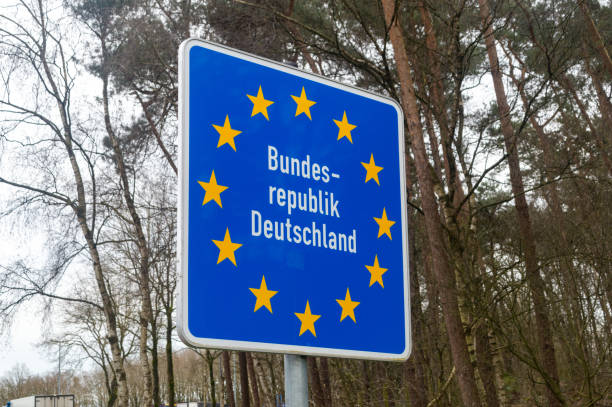
EU Road Signs: Enhancing Road Safety Across Europe
Road signs play a crucial role in ensuring the safety of road users and facilitating smooth traffic flow. In the European Union (EU), standardised road signs are used across member countries to provide consistent information to drivers, pedestrians, and cyclists.
Types of EU Road Signs
EU road signs can be categorised into several types based on their purpose:
- Mandatory Signs: These signs indicate actions that road users must take, such as speed limits, no entry, and give way.
- Warning Signs: These signs alert road users to potential hazards ahead, such as sharp bends, pedestrian crossings, and animals crossing.
- Information Signs: These signs provide useful information to road users, including directions to towns, motorways, and services like petrol stations and hospitals.
- Road Markings: While not technically signs, road markings such as lane dividers, zebra crossings, and stop lines are also standardised across the EU for consistency.
Benefits of Standardised EU Road Signs
The use of standardised road signs across the EU offers several benefits:
- Improved Safety: Consistent road signs help reduce confusion among drivers travelling across different countries within the EU.
- Better Understanding: Standardised symbols and colours make it easier for all road users to quickly comprehend the information conveyed by the signs.
- Traffic Efficiency: Clear and uniform road signage contributes to smoother traffic flow and reduces the likelihood of accidents due to misunderstandings or misinterpretations.
- Cross-Border Travel: Travellers moving between EU countries benefit from familiar road sign designs that enhance their driving experience in foreign environments.
In conclusion, EU road signs play a vital role in promoting road safety and harmonising traffic regulations across member states. By adhering to standardised signage practices, countries within the EU contribute to a safer and more efficient transportation network for all road users.
Understanding EU Road Signs: Common Questions Answered
- What do the blue road signs in the EU indicate?
- How are EU road signs different from national road signs?
- Are EU road signs standardised across all member countries?
- What should I do if I encounter a triangular warning sign on the road in the EU?
- Where can I find information about the meaning of different EU road signs?
What do the blue road signs in the EU indicate?
Blue road signs in the EU typically indicate motorway or expressway information to road users. These signs are designed to provide important guidance and information specific to high-speed roads, such as motorways, including directions to motorway entrances and exits, service areas, rest areas, and other facilities relevant to long-distance travel. The consistent use of blue colour for these signs across EU member countries helps drivers easily identify and interpret motorway-related information, contributing to safer and more efficient journeys on major road networks.
How are EU road signs different from national road signs?
EU road signs differ from national road signs in the European Union by their standardisation across member countries. While national road signs may vary in design, colour schemes, and symbols from one country to another, EU road signs follow a set of uniform guidelines to ensure consistency and clarity for all road users. This standardisation allows drivers, pedestrians, and cyclists to easily recognise and understand the meaning of road signs regardless of the country they are travelling in within the EU. By harmonising road signage practices, EU road signs promote cross-border mobility and enhance overall road safety across Europe.
Are EU road signs standardised across all member countries?
Yes, EU road signs are standardised across all member countries to ensure consistency and uniformity in traffic signage. This standardisation helps promote road safety and facilitate easier navigation for drivers travelling between different EU countries. By adhering to common road sign designs, symbols, and colours, all member states contribute to a harmonised approach that benefits both local residents and international travellers. This consistency in EU road signs enhances communication on the roads, reduces confusion, and ultimately improves the overall efficiency of transportation networks across Europe.
What should I do if I encounter a triangular warning sign on the road in the EU?
When encountering a triangular warning sign on the road in the EU, it is important for drivers to pay close attention and adjust their driving behaviour accordingly. Triangular warning signs are used to alert road users to potential hazards or changes in road conditions ahead. Drivers should reduce their speed, remain vigilant, and be prepared to take necessary actions to ensure their safety and the safety of others on the road. It is crucial to follow the instructions indicated on the warning sign and proceed with caution until the potential hazard has been safely navigated. By obeying triangular warning signs, drivers can help prevent accidents and contribute to overall road safety within the European Union.
Where can I find information about the meaning of different EU road signs?
For information about the meaning of different EU road signs, individuals can refer to official resources provided by their respective national road authorities or transport departments. Additionally, the European Union’s official website may offer comprehensive guides and materials detailing the standardised symbols and meanings of EU road signs. It is essential for road users to familiarise themselves with these resources to ensure a clear understanding of the various signs and markings they may encounter while travelling across different EU countries.