
Enhancing Road Safety with Chevron Road Markings
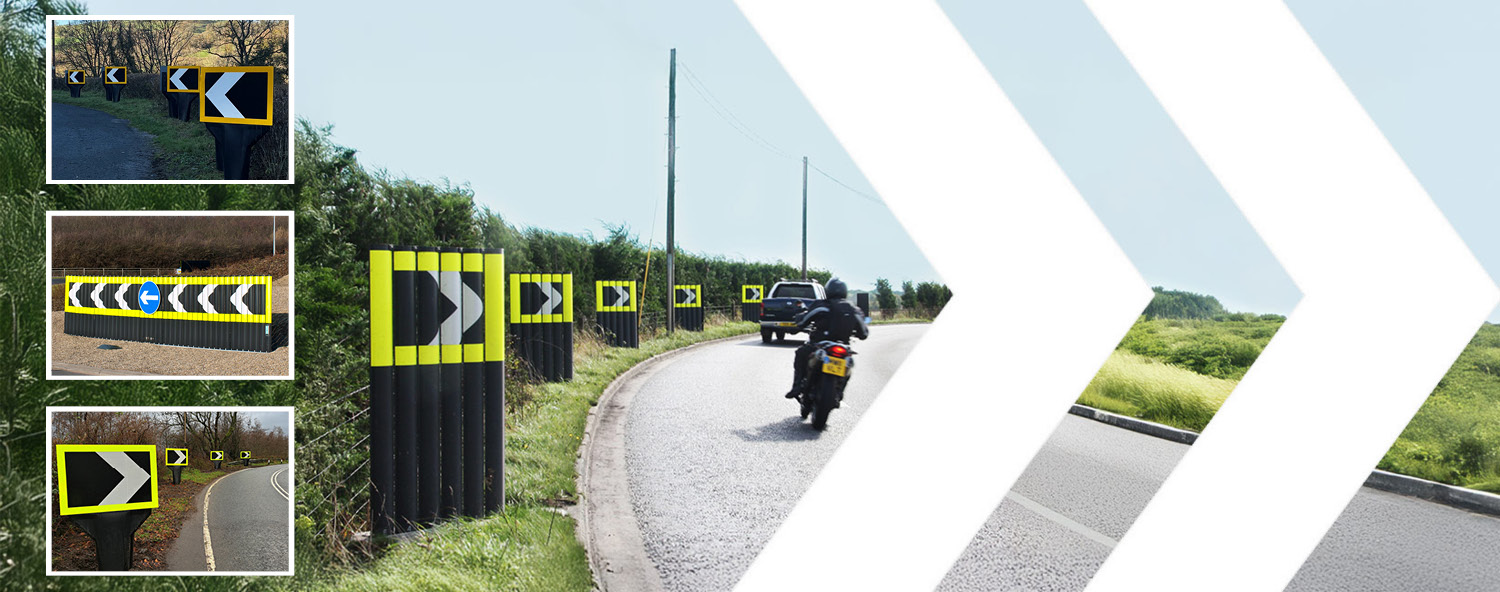
The Importance of Chevron Road Markings in Road Safety
Chevron road markings are a crucial element in ensuring road safety and traffic flow on highways and major roads. These distinctive V-shaped patterns painted on the road surface serve as a visual cue to alert drivers to changes in the direction of the road ahead.
Enhancing Visibility and Awareness
One of the primary functions of chevron road markings is to enhance visibility and awareness for drivers, especially on curves, bends, or intersections where there is a significant change in the direction of the road. The alternating black and white stripes create a striking pattern that stands out against the asphalt, helping drivers anticipate upcoming turns and adjust their speed accordingly.
Warning of Potential Hazards
Chevron markings also serve as a warning to drivers of potential hazards such as sharp turns, blind corners, or intersections. By indicating the direction of the road ahead, these markings help drivers navigate tricky sections more safely and reduce the risk of accidents caused by sudden changes in direction.
Improving Traffic Flow
By providing clear guidance on the alignment of the road, chevron markings help improve traffic flow and reduce congestion. Drivers can better understand the layout of the road ahead and make informed decisions about lane changes or merging, leading to smoother traffic movement and fewer disruptions.
Maintaining Road Safety Standards
Incorporating chevron road markings into road design and maintenance projects is essential for upholding safety standards and regulatory requirements. These markings are recognised internationally as an effective way to enhance road safety by alerting drivers to potential dangers and promoting better decision-making behind the wheel.
Conclusion
In conclusion, chevron road markings play a vital role in improving road safety, enhancing visibility for drivers, warning of potential hazards, and facilitating smoother traffic flow. By incorporating these distinctive patterns into our road infrastructure, we can create safer roads for all users and reduce the likelihood of accidents caused by unexpected changes in direction. Next time you see chevron markings on the road, remember their importance in keeping you safe on your journey.
Understanding Chevron Road Markings: Your Questions Answered
- What is the purpose of chevron road markings?
- Where are chevron road markings typically used?
- How do chevron road markings improve road safety?
- Are there specific regulations for chevron road markings in the UK?
- What materials are used for creating chevron road markings?
- How do drivers interpret chevron road markings on the road?
- Can chevron road markings be used in car parks and private roads?
- How often should chevron road markings be maintained or repainted?
What is the purpose of chevron road markings?
Chevron road markings serve a crucial purpose in enhancing road safety by providing visual cues to drivers about changes in the direction of the road ahead. The distinctive V-shaped patterns of chevron markings are designed to improve visibility and awareness, especially on curves, bends, intersections, and areas with potential hazards. By alerting drivers to upcoming turns and indicating the alignment of the road, chevron markings help motorists navigate safely, reduce the risk of accidents caused by sudden changes in direction, and contribute to smoother traffic flow on highways and major roads.
Where are chevron road markings typically used?
Chevron road markings are typically used in areas where there are changes in the alignment of the road, such as curves, bends, intersections, and on-ramps. These markings are commonly seen on highways, motorways, rural roads, and other high-speed roads to alert drivers to upcoming changes in direction and potential hazards. By strategically placing chevron markings in these locations, road authorities aim to enhance visibility, improve driver awareness, and promote safer navigation through challenging sections of the road network.
How do chevron road markings improve road safety?
Chevron road markings play a crucial role in enhancing road safety by improving visibility and awareness for drivers. These distinctive V-shaped patterns serve as visual cues that alert motorists to changes in the direction of the road ahead, particularly on curves, bends, or intersections. By providing clear guidance on the alignment of the road and warning drivers of potential hazards such as sharp turns or blind corners, chevron markings help motorists navigate challenging sections more safely. This increased awareness and anticipation of road conditions contribute to reducing the risk of accidents caused by sudden changes in direction, ultimately improving overall road safety for all users.
Are there specific regulations for chevron road markings in the UK?
In the UK, there are specific regulations governing the use of chevron road markings to ensure consistency and standardisation in road safety practices. The Department for Transport provides guidelines on the design, placement, and dimensions of chevron markings to maintain their effectiveness in warning drivers of potential hazards such as sharp bends or corners. These regulations help road authorities and contractors adhere to best practices when implementing chevron markings on highways and major roads, contributing to a safer and more predictable driving environment for all road users.
What materials are used for creating chevron road markings?
When it comes to creating chevron road markings, specific materials are essential to ensure durability and visibility on the road surface. Typically, high-quality thermoplastic paint or preformed thermoplastic sheets are commonly used for the application of chevron markings. These materials offer excellent adhesion to the road surface, resistance to wear and tear, and high reflectivity for enhanced visibility, especially in low-light conditions. By using these reliable materials, road authorities and contractors can effectively implement chevron road markings that meet safety standards and contribute to improved road safety for all motorists.
How do drivers interpret chevron road markings on the road?
When drivers encounter chevron road markings on the road, they interpret them as visual cues indicating changes in the direction of the road ahead. The distinctive V-shaped patterns of chevron markings prompt drivers to anticipate curves, bends, or intersections and adjust their speed and lane position accordingly. Drivers understand that these markings serve as warnings of potential hazards, such as sharp turns or blind corners, prompting them to proceed with caution and maintain control of their vehicle. Overall, drivers interpret chevron road markings as crucial navigational aids that enhance their awareness of the road layout and contribute to safer driving practices.
Can chevron road markings be used in car parks and private roads?
Chevron road markings are primarily designed for highways and major roads to enhance road safety by indicating changes in the direction of the road. While they are commonly used in public road systems, their application in car parks and private roads may vary. In some cases, chevron markings can be utilised in car parks to delineate sharp turns or blind corners where visibility is limited, helping drivers navigate the space more safely. However, the decision to use chevron road markings in car parks and private roads should be based on factors such as traffic flow, layout complexity, and safety considerations specific to the area. It is advisable to consult with road marking professionals to determine the most suitable marking solutions for these environments.
How often should chevron road markings be maintained or repainted?
Chevron road markings should be regularly maintained and repainted to ensure their visibility and effectiveness in guiding drivers safely on the road. The frequency of maintenance or repainting depends on various factors such as traffic volume, weather conditions, and the quality of the paint used. In general, it is recommended that chevron road markings be inspected at least once a year and repainted as needed to maintain their clarity and visibility. Regular upkeep of chevron markings is essential to uphold road safety standards and ensure that drivers can easily identify potential hazards and changes in road direction for a smooth and secure driving experience.