
Yellow Lines on the Road Before a Roundabout: What Drivers Need to Know
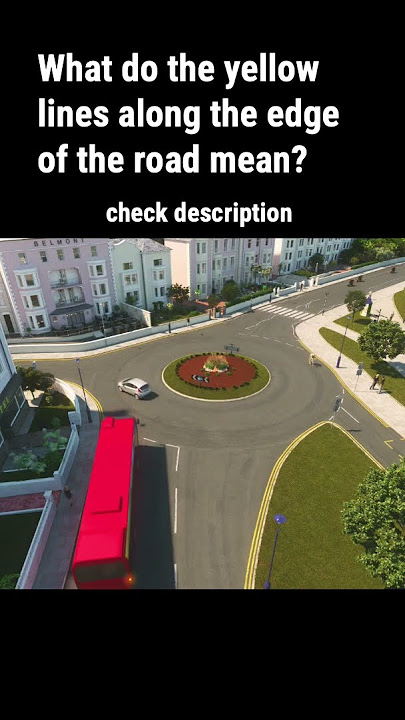
Yellow Lines on the Road Before a Roundabout: What Do They Mean?
Yellow lines near a roundabout can be easy to overlook, particularly when you are concentrating on traffic and choosing the correct lane. They usually show that waiting or parking is restricted. The exact restriction depends on whether the line is single or double, any nearby signs and, in some cases, additional marks on the kerb.
Single yellow lines
A single yellow line normally means you must not wait or park during specified hours. These hours are shown on a nearby sign, or may be covered by the rules of a Controlled Parking Zone (CPZ). Check the signs before leaving your vehicle, as restrictions can vary between roads and may apply only at certain times or on certain days.
Double yellow lines
Double yellow lines generally mean no waiting at any time. A time plate is not usually needed, although signs may explain exceptions or seasonal restrictions. Do not assume that a quiet road or an empty approach to a roundabout makes it permissible to park.
Kerb markings and loading restrictions
Yellow lines regulate waiting, but they do not always tell the whole story. Yellow marks on the kerb, accompanied by nearby signs, indicate restrictions on loading or unloading:
- One yellow kerb mark usually means loading or unloading is restricted at the times shown on a sign.
- Two yellow kerb marks usually mean loading or unloading is prohibited at any time.
Check the accompanying signs for the precise rules. Where loading is allowed, it does not mean you may leave the vehicle unattended for longer than necessary.
Why are yellow lines common near roundabouts?
Vehicles parked close to a roundabout or its approaches can obstruct sightlines, narrow the road and make it harder for drivers to judge gaps in traffic. Yellow lines can help keep these areas clear and improve visibility for drivers, cyclists and pedestrians.
The Highway Code also advises against parking opposite or within 10 metres (32 feet) of a junction, except in an authorised parking space. A roundabout approach is a place where stopping or parking may create a particular hazard, even if you cannot see a yellow line.
Do yellow lines affect driving through the roundabout?
No. Yellow lines generally relate to waiting, parking or loading; they do not tell you which lane to use or who has priority. Follow the road signs, lane markings and traffic signals, and give way to traffic already on the roundabout unless signs or signals indicate otherwise.
Can you stop briefly on yellow lines?
Yellow-line restrictions concern waiting, so they are not the same as a general prohibition on stopping for every reason. However, stopping to park, wait or pick someone up may still be prohibited, and stopping near a roundabout could be unsafe or cause an obstruction. Look for other restrictions, follow the signs and never stop where doing so would endanger or inconvenience other road users.
What to do if you are unsure
- Check nearby signs, including signs at the entrance to a Controlled Parking Zone.
- Look for kerb marks that restrict loading and unloading.
- Do not rely on the absence of a sign beside the exact place where you want to stop; the restriction may be shown elsewhere.
- If the rules are unclear, choose a safer place where parking is clearly permitted.
In short, a single yellow line usually restricts waiting at certain times, while double yellow lines generally restrict it at all times. Near a roundabout, the safest choice is to keep the approach clear and check all signs and road markings before stopping.
Understanding Yellow Line Regulations Near Roundabouts: FAQs Answered
- What do yellow lines on the road before a roundabout mean?
- Can I park on a single yellow line near a roundabout?
- Can I stop briefly on double yellow lines before a roundabout?
- How can I find out the hours of restriction for a single yellow line?
- Do yellow lines near a roundabout apply to picking up or dropping off passengers?
- Can I load or unload on yellow lines near a roundabout?
- How close to a roundabout can I park if there are no yellow lines?
- Do yellow lines before a roundabout affect which lane I should use?
What do yellow lines on the road before a roundabout mean?
Yellow lines before a roundabout usually indicate restrictions on waiting or parking: a single yellow line applies at the times shown on nearby signs, while double yellow lines generally mean no waiting at any time. These restrictions help keep the roundabout approach clear and maintain visibility for road users. Always check local signs and any kerb markings, as they may show additional restrictions; yellow lines do not indicate which lane to use or who has priority.
Can I park on a single yellow line near a roundabout?
You may be able to park on a single yellow line near a roundabout, but only when the restriction is not in force and it is safe and lawful to do so. Check nearby signs or Controlled Parking Zone information for the restricted days and times, and look for kerb markings that may limit loading. Even outside those hours, do not park where your vehicle could obstruct traffic, reduce visibility or breach the Highway Code’s guidance on parking near junctions.
Can I stop briefly on double yellow lines before a roundabout?
You should not stop on double yellow lines before a roundabout to wait, park or pick someone up, as they generally mean no waiting at any time. You may stop briefly where necessary to avoid an accident or obey traffic, signs or signals, but never stop if it would create a hazard or obstruct other road users. Check nearby signs for any specific restrictions, and keep the roundabout approach clear.
How can I find out the hours of restriction for a single yellow line?
To find out when a single yellow line applies, check the nearby time-plate signs for the days and hours of restriction. In a Controlled Parking Zone, the hours may instead be shown on signs at the zone’s entrances, so a sign may not appear beside every stretch of yellow line. Always check for additional signs or kerb markings, as loading restrictions may differ.
Do yellow lines near a roundabout apply to picking up or dropping off passengers?
Yellow lines near a roundabout can restrict stopping to pick up or drop off passengers, depending on the local rules and times shown on nearby signs. Even where a brief stop is permitted, you must not stop if it would obstruct traffic, create a hazard or breach another restriction. Check the signs and kerb markings, and choose a safer location away from the roundabout if you are unsure.
Can I load or unload on yellow lines near a roundabout?
You may be able to load or unload on yellow lines near a roundabout, but it depends on the signs and any yellow kerb markings. A single or double yellow line does not, by itself, always prohibit loading; however, yellow kerb marks and signs may restrict it at certain times or at all times. Check the restrictions carefully, keep the vehicle attended where required, and never stop where you would obstruct traffic or create a hazard.
How close to a roundabout can I park if there are no yellow lines?
Even if there are no yellow lines, you should not park opposite or within 10 metres (32 feet) of a junction, except in an authorised parking space. Keep well clear of the roundabout and its entrances and exits so you do not obstruct traffic or block drivers’ views. Always check for signs and other restrictions, and do not park where your vehicle could cause danger or an obstruction.
Do yellow lines before a roundabout affect which lane I should use?
No. Yellow lines before a roundabout generally restrict waiting or parking; they do not indicate which lane you should use. Choose your lane by following the road signs, lane arrows and markings, and get into position in good time. If the layout is unclear, slow down and follow the signs rather than making a sudden lane change.