
Managing Urban Mobility: The Impact of Street Closure on Traffic Flow
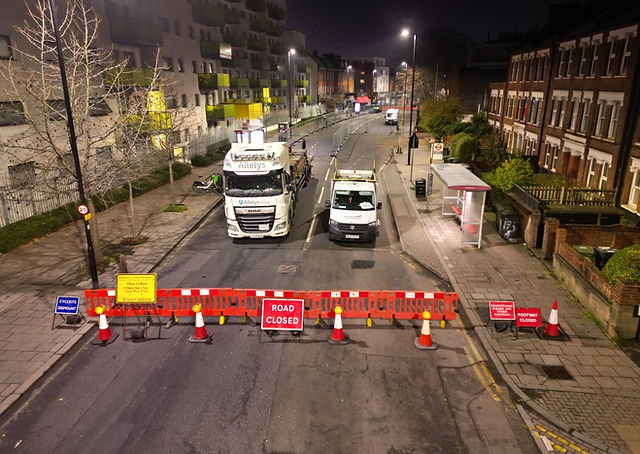
Street Closure: Ensuring Safety and Efficiency
Street closures are a common occurrence in urban areas for various reasons, including special events, construction projects, maintenance work, or emergencies. While street closures may inconvenience some commuters, they play a crucial role in ensuring the safety of both pedestrians and motorists, as well as maintaining the efficiency of traffic flow.
Reasons for Street Closure
Street closures are often necessary to facilitate events such as parades, festivals, street markets, or marathons. These closures create a safe environment for participants and spectators by restricting vehicle access to designated areas. Additionally, street closures are essential during construction projects to protect workers and the public from potential hazards.
Impact on Traffic Flow
While street closures can disrupt normal traffic patterns and cause congestion in surrounding areas, proper planning and communication can help minimise these effects. Traffic management measures such as detours, signage, and temporary traffic control devices are implemented to redirect vehicles efficiently and safely around the closure.
Safety Considerations
Ensuring safety during a street closure is paramount. Proper signage, barriers, and flaggers are used to alert drivers to the closure and guide them along alternative routes. Emergency services are also notified in advance to ensure quick response times in case of any incidents within the closed area.
Community Engagement
Effective communication with local residents, businesses, and stakeholders is essential when planning a street closure. Providing advance notice of the closure through various channels such as signage, social media, local news outlets, and community meetings helps minimise disruptions and allows individuals to plan accordingly.
Conclusion
In conclusion, street closures serve an important purpose in maintaining safety and efficiency in urban areas. By implementing proper planning measures and communication strategies, street closures can be executed smoothly with minimal impact on traffic flow while ensuring the safety of all road users.
Effective Strategies for Managing Street Closures: Top 5 Tips
- Plan ahead and inform local residents and businesses about the street closure in advance.
- Ensure proper signage is in place to alert drivers and pedestrians of the closure.
- Coordinate with local authorities to obtain necessary permits for street closure.
- Have a clear communication plan in case of emergencies during the closure.
- Consider alternative routes for traffic flow during the street closure period.
Plan ahead and inform local residents and businesses about the street closure in advance.
It is crucial to plan ahead and notify local residents and businesses well in advance about any upcoming street closures. By providing timely information about the closure, residents and businesses can make necessary arrangements to minimise disruptions to their daily activities. Effective communication ensures that stakeholders are aware of the closure, understand the reasons behind it, and can plan alternative routes or adjust schedules accordingly. This proactive approach fosters community engagement and cooperation, ultimately contributing to a smoother and more successful implementation of the street closure.
Ensure proper signage is in place to alert drivers and pedestrians of the closure.
To ensure a smooth and safe street closure, it is crucial to have proper signage in place to alert drivers and pedestrians of the upcoming closure. Clear and visible signage helps to communicate the closure effectively, allowing motorists to plan alternative routes in advance and pedestrians to navigate the area safely. By ensuring that appropriate signage is prominently displayed, potential confusion and inconvenience can be minimised, contributing to a well-managed street closure that prioritises the safety of all road users.
Coordinate with local authorities to obtain necessary permits for street closure.
To ensure a smooth and compliant street closure, it is essential to coordinate with local authorities to obtain the necessary permits. Securing the required permits not only ensures that the closure is legal and authorised but also allows for proper planning and coordination with relevant stakeholders. By obtaining permits in advance, you can avoid potential delays, conflicts, and legal issues, ultimately contributing to a successful and well-executed street closure that prioritises safety and efficiency for all involved.
Have a clear communication plan in case of emergencies during the closure.
It is crucial to have a clear communication plan in place in case of emergencies during a street closure. By establishing effective communication protocols ahead of time, emergency responders can be promptly informed and dispatched to the scene, ensuring a swift and coordinated response. Clear communication channels between event organisers, local authorities, and emergency services help mitigate potential risks and enhance overall safety for all individuals affected by the closure.
Consider alternative routes for traffic flow during the street closure period.
During a street closure, it is crucial to consider alternative routes for traffic flow to minimise congestion and ensure smooth transportation for motorists. By identifying and implementing alternative routes in advance, traffic can be redirected efficiently around the closure, reducing delays and frustration among drivers. Proper planning of alternative routes also helps maintain the overall flow of traffic in the surrounding areas, enhancing safety and convenience for all road users during the street closure period.