
Ensuring Brake Road Safety: A Crucial Priority for All Road Users
The Importance of Brake Road Safety
Brakes are one of the most critical components of a vehicle when it comes to road safety. Properly functioning brakes can mean the difference between a safe journey and a potential disaster on the road. Understanding the importance of brake road safety is essential for all drivers and road users.
Why Brake Road Safety Matters
Brakes play a crucial role in stopping or slowing down a vehicle, especially in emergency situations. They help drivers maintain control over their vehicles, avoid collisions, and prevent accidents. Regular maintenance and timely repairs of brakes are essential to ensure their effectiveness on the road.
Tips for Ensuring Brake Road Safety
- Regular inspections: Have your brakes inspected by a qualified mechanic at least once a year or as recommended by your vehicle manufacturer.
- Brake fluid checks: Ensure that your brake fluid is at the correct level and free from contaminants that could affect brake performance.
- Brake pad replacements: Replace worn-out brake pads promptly to maintain optimal braking efficiency.
- Listen for warning signs: Pay attention to any unusual noises, vibrations, or changes in braking performance, as these could indicate potential brake issues.
- Maintain safe following distances: Keep a safe distance from other vehicles to allow for ample braking time in case of sudden stops or emergencies.
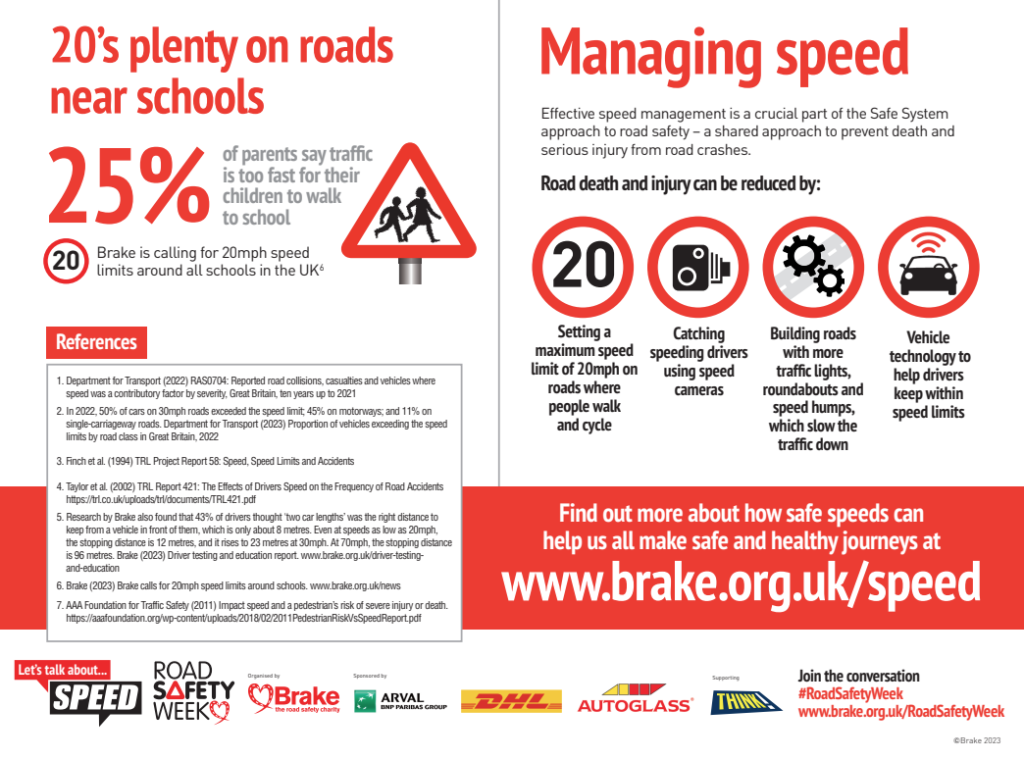
- Adhere to speed limits: Speeding reduces reaction time and increases the distance required for braking, so always drive within the prescribed speed limits.
The Role of Technology in Brake Road Safety
Advancements in automotive technology have led to the development of features such as anti-lock braking systems (ABS), electronic stability control (ESC), and automatic emergency braking (AEB) systems. These technologies enhance vehicle stability, improve braking performance, and help prevent accidents on the road.
Conclusion
Prioritising brake road safety is essential for all drivers to protect themselves, their passengers, and other road users. By maintaining well-functioning brakes, staying vigilant on the road, and embracing technological advancements in vehicle safety, we can contribute to creating safer roads for everyone.
Understanding Brake Road Safety: Key Principles, Initiatives, Messages, and Rules
- What are the 3 E’s of road safety?
- What does brake charity do?
- What is the message of road safety Week 2026?
- What are the 10 safety rules on the road?
What are the 3 E’s of road safety?
The 3 E’s of road safety, often referred to as Engineering, Education, and Enforcement, are key pillars that contribute to creating safer road environments. Engineering focuses on designing and implementing infrastructure and vehicle safety features to reduce the likelihood of accidents. Education aims to increase awareness and knowledge among road users about safe driving practices and potential hazards. Enforcement involves the implementation of laws and regulations to ensure compliance with road safety standards and hold individuals accountable for their actions on the road. By addressing these three aspects comprehensively, we can work towards enhancing overall road safety for everyone.
What does brake charity do?
The Brake charity plays a crucial role in promoting brake road safety and advocating for measures to reduce road traffic accidents and fatalities. As a leading charity dedicated to road safety, Brake works tirelessly to raise awareness about the importance of safe braking practices, campaigns for stricter regulations on vehicle safety standards, and provides support to victims of road traffic incidents. Through its initiatives and educational programmes, the Brake charity aims to create a safer road environment for all road users and prevent unnecessary tragedies caused by unsafe braking practices.
What is the message of road safety Week 2026?
Road Safety Week 2026 aims to deliver a powerful message about the importance of brake road safety in reducing accidents and saving lives on our roads. The campaign emphasises the need for drivers to prioritise regular brake maintenance, stay alert behind the wheel, and adhere to safe driving practices to prevent collisions and ensure the safety of all road users. By raising awareness about the significance of well-maintained brakes and responsible driving behaviour, Road Safety Week 2026 seeks to inspire positive changes in road safety attitudes and promote a culture of vigilance and responsibility on our highways.
What are the 10 safety rules on the road?
When it comes to road safety, following a set of rules and guidelines is crucial to ensure the well-being of all road users. The 10 safety rules on the road encompass various aspects of safe driving practices, including obeying speed limits, wearing seat belts, avoiding distractions while driving, maintaining a safe following distance, using indicators when changing lanes or turning, obeying traffic signals and signs, yielding to pedestrians at crossings, refraining from driving under the influence of alcohol or drugs, keeping a well-maintained vehicle, and being mindful of weather conditions that may affect road grip. Adhering to these safety rules not only promotes personal safety but also contributes to creating a safer environment for everyone on the road.