
Prioritising Safety at Streetworks: Ensuring Worker Well-being on the Road
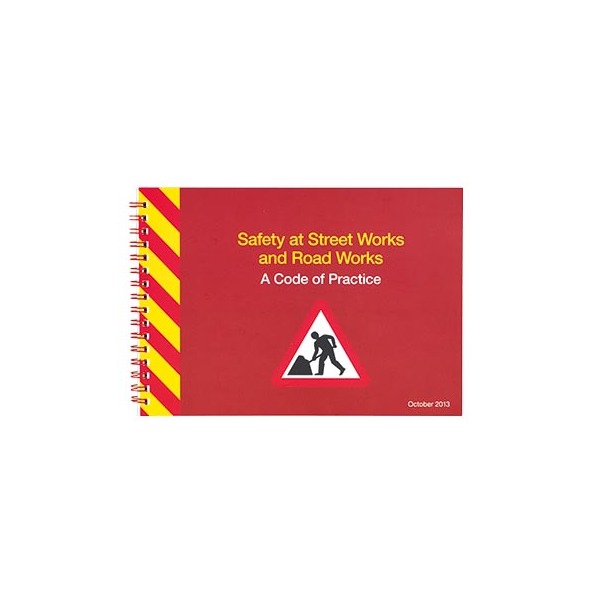
The Importance of Safety at Streetworks
Streetworks play a crucial role in maintaining and improving our infrastructure, but they can also pose significant risks to both workers and the general public if proper safety measures are not followed. Safety at streetworks is paramount to ensure the well-being of all involved and to minimise the potential for accidents and injuries.
Risks Associated with Streetworks
Working on or near roads exposes streetworkers to various hazards, including:
- Traffic accidents: Workers are at risk of being struck by moving vehicles if adequate traffic management measures are not in place.
- Slips, trips, and falls: Uneven surfaces, debris, and other obstacles can lead to slips, trips, and falls, causing injuries.
- Noise and vibration: The use of heavy machinery can expose workers to high levels of noise and vibration, leading to long-term health issues.
- Exposure to hazardous substances: Some streetworks involve handling hazardous materials that can pose health risks if proper precautions are not taken.
Ensuring Safety at Streetworks
To mitigate these risks and promote safety at streetworks, it is essential to:
- Provide adequate training: All workers involved in streetworks should receive comprehensive training on safety procedures, equipment usage, and emergency protocols.
- Use appropriate personal protective equipment (PPE): Workers should wear high-visibility clothing, hard hats, gloves, eye protection, and other necessary PPE to reduce the risk of injury.
- Implement traffic management measures: Temporary traffic control measures such as road closures, signage, barriers, and traffic cones should be used to protect workers from oncoming traffic.
- Maintain a clean and organised work area: Keeping the work site free from clutter and hazards can prevent slips, trips, falls, and other accidents.
- Regularly inspect tools and equipment: Tools and machinery should be regularly inspected for defects or damage that could compromise safety.
- Promote a culture of safety: Encouraging open communication about safety concerns, reporting near misses or hazards promptly, and prioritising safety in all aspects of streetwork operations can help create a safer working environment.
Conclusion
Safety at streetworks is a shared responsibility that requires cooperation between workers, supervisors, contractors, local authorities, and the public. By prioritising safety through proper training,
adherence to regulations,
use of appropriate PPE,
implementation of traffic management measures,
regular equipment inspections,
maintaining clean work areas,
promoting a culture of safety
we can create safer working conditions for all involved in streetwork projects. Remember – safety first!
Essential Safety Tips for Streetworks: Ensuring a Secure Environment for Workers and the Public
- Always wear appropriate high-visibility clothing when working on the street.
- Ensure that all necessary warning signs and barriers are in place to alert pedestrians and motorists of ongoing work.
- Follow proper traffic management procedures to maintain a safe environment for workers and the public.
- Regularly inspect tools and equipment to ensure they are in good working condition, reducing the risk of accidents.
- Attend regular safety training sessions to stay updated on best practices for streetwork safety.
Always wear appropriate high-visibility clothing when working on the street.
It is crucial to always wear appropriate high-visibility clothing when working on the street. High-visibility clothing ensures that workers are easily seen by motorists and other road users, reducing the risk of accidents and injuries. By wearing high-visibility clothing, streetworkers enhance their visibility in various lighting conditions, especially during low light or adverse weather conditions. This simple yet essential safety measure can significantly improve the safety of those working on or near roads, promoting a safer working environment for all involved in streetwork projects.
Ensure that all necessary warning signs and barriers are in place to alert pedestrians and motorists of ongoing work.
It is crucial to ensure that all necessary warning signs and barriers are in place to alert pedestrians and motorists of ongoing work during streetworks. Clear and visible signage helps to communicate potential hazards and changes in road conditions, allowing pedestrians and motorists to navigate the area safely. By providing adequate warnings, we can reduce the risk of accidents and promote a safer environment for everyone involved in or passing through the work zone.
Follow proper traffic management procedures to maintain a safe environment for workers and the public.
It is crucial to follow proper traffic management procedures at streetworks to uphold a safe environment for both workers and the public. By implementing effective traffic control measures such as road closures, signage, barriers, and designated pedestrian pathways, the risk of accidents involving moving vehicles can be significantly reduced. Prioritising traffic safety not only protects workers on-site but also ensures the smooth flow of traffic and minimises disruptions for road users.
Regularly inspect tools and equipment to ensure they are in good working condition, reducing the risk of accidents.
Regularly inspecting tools and equipment is a vital safety tip for streetworks. By ensuring that all tools and equipment are in good working condition, the risk of accidents can be significantly reduced. Regular inspections help identify any defects or damage that could compromise safety, allowing for prompt maintenance or replacement to maintain a safe working environment for all involved in streetwork projects.
Attend regular safety training sessions to stay updated on best practices for streetwork safety.
Attending regular safety training sessions is essential to staying updated on the best practices for safety at streetworks. These sessions provide valuable insights into new safety protocols, equipment advancements, and potential hazards to be aware of while working on or near roads. By participating in ongoing training, streetworkers can enhance their knowledge and skills, ensuring they are well-prepared to address safety challenges effectively and contribute to a safer working environment for themselves and their colleagues.