
Optimising Traffic Flow: The Power of Freeflow Traffic Management
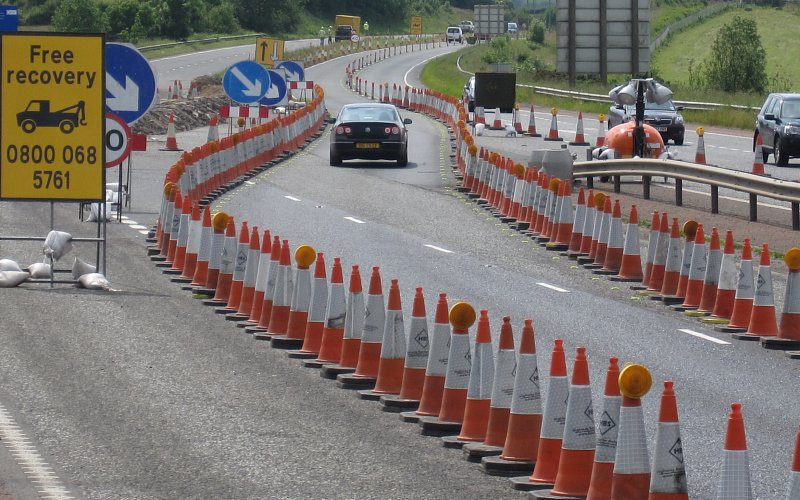
The Importance of Freeflow Traffic Management
Freeflow traffic management is a crucial aspect of modern road infrastructure that aims to ensure the smooth and efficient movement of vehicles on our roads. It involves the strategic planning and implementation of measures to minimise congestion, improve safety, and enhance overall traffic flow.
Benefits of Freeflow Traffic Management:
- Reduced Congestion: By optimising traffic flow through intelligent signalling systems, lane management, and other techniques, freeflow traffic management helps reduce congestion on busy roads and highways.
- Improved Safety: Clear road markings, signage, and effective traffic control measures contribute to safer roads for drivers, pedestrians, and cyclists alike.
- Enhanced Efficiency: Efficient traffic management leads to shorter travel times, reduced fuel consumption, and lower emissions, benefiting both individuals and the environment.
- Better Planning: By analysing traffic patterns and implementing data-driven solutions, freeflow traffic management enables authorities to make informed decisions for future road development projects.
Key Strategies in Freeflow Traffic Management:
Effective freeflow traffic management incorporates a range of strategies and technologies to optimise traffic flow. Some key strategies include:
- Intelligent Traffic Signals: Adaptive signal control systems adjust signal timings based on real-time traffic conditions to reduce delays at intersections.
- Lane Control Systems: Variable message signs and lane control signals help manage lane usage efficiently during peak hours or incidents.
- Traffic Monitoring: Utilising sensors, cameras, and data analytics to monitor traffic volumes, speeds, and congestion levels for proactive management.
- Road Markings & Signage: Clear road markings, visible signage, and proper delineation help guide drivers safely through complex road networks.
In conclusion, freeflow traffic management plays a vital role in creating a safer, more efficient transportation system for all road users. By embracing innovative technologies and best practices in traffic management, we can enhance the quality of our urban environments and promote sustainable mobility for the future.
Essential Tips for Effective Freeflow Traffic Management
- Maintain a safe following distance to allow for sudden stops or changes in traffic flow.
- Use indicators when changing lanes or making turns to signal your intentions to other drivers.
- Avoid distractions such as using mobile phones or eating while driving to stay focused on the road.
- Obey speed limits and adjust your speed according to traffic conditions for smoother flow.
- Be courteous and yield when necessary to prevent bottlenecks and maintain continuous traffic movement.
- Regularly check your mirrors and blind spots before making manoeuvres to ensure safe flow of traffic around you.
Maintain a safe following distance to allow for sudden stops or changes in traffic flow.
To ensure effective freeflow traffic management, it is essential for drivers to maintain a safe following distance at all times. By keeping a sufficient gap between vehicles, drivers can better anticipate and react to sudden stops or changes in traffic flow. This proactive approach not only enhances safety on the roads but also helps prevent unnecessary congestion and accidents. Remember, maintaining a safe following distance is a simple yet crucial step towards promoting smoother traffic flow and reducing the risk of collisions.
Use indicators when changing lanes or making turns to signal your intentions to other drivers.
When practising freeflow traffic management, it is essential to use indicators when changing lanes or making turns to signal your intentions to other drivers. Clear and timely use of indicators not only promotes road safety but also contributes to smoother traffic flow by allowing other road users to anticipate your movements. By signalling your intentions through indicators, you help create a more predictable driving environment, reducing the likelihood of misunderstandings and potential accidents on the road. Remember, communication through indicators is a simple yet effective way to enhance overall traffic management and promote responsible driving behaviour.
Avoid distractions such as using mobile phones or eating while driving to stay focused on the road.
To maintain optimal freeflow traffic management, it is essential to avoid distractions such as using mobile phones or eating while driving. By staying focused on the road and eliminating distractions, drivers can react promptly to changing traffic conditions, adhere to road markings and signals, and contribute to the overall safety and efficiency of the traffic flow. Prioritising attention to the road not only enhances personal safety but also plays a significant role in promoting smooth traffic movement for all road users.
Obey speed limits and adjust your speed according to traffic conditions for smoother flow.
To ensure a smoother flow of traffic, it is essential to obey speed limits and adjust your speed according to the prevailing traffic conditions. By adhering to speed regulations and driving at a safe and appropriate speed, drivers can contribute significantly to the overall efficiency and safety of the road network. This proactive approach not only helps in reducing congestion but also minimises the risk of accidents, promoting a more seamless and harmonious traffic flow for all road users.
Be courteous and yield when necessary to prevent bottlenecks and maintain continuous traffic movement.
To ensure smooth traffic flow and prevent bottlenecks, it is essential to practice courtesy and yield when necessary while driving. By being considerate and yielding to other vehicles, pedestrians, or merging traffic, drivers can help maintain continuous movement on the road. This simple act of courtesy not only promotes safer driving conditions but also contributes to the overall efficiency of freeflow traffic management systems, ultimately benefiting all road users.
Regularly check your mirrors and blind spots before making manoeuvres to ensure safe flow of traffic around you.
To maintain a smooth and safe flow of traffic around you, it is essential to incorporate the practice of regularly checking your mirrors and blind spots before making any manoeuvres on the road. By being vigilant and aware of your surroundings, you can ensure that you are making informed decisions that contribute to the overall safety and efficiency of traffic movement. This simple yet crucial tip not only enhances your own safety as a driver but also promotes a harmonious flow of vehicles on the road, reducing the risk of accidents and congestion for all road users.