
Decoding What Yellow Lines on the Road Mean
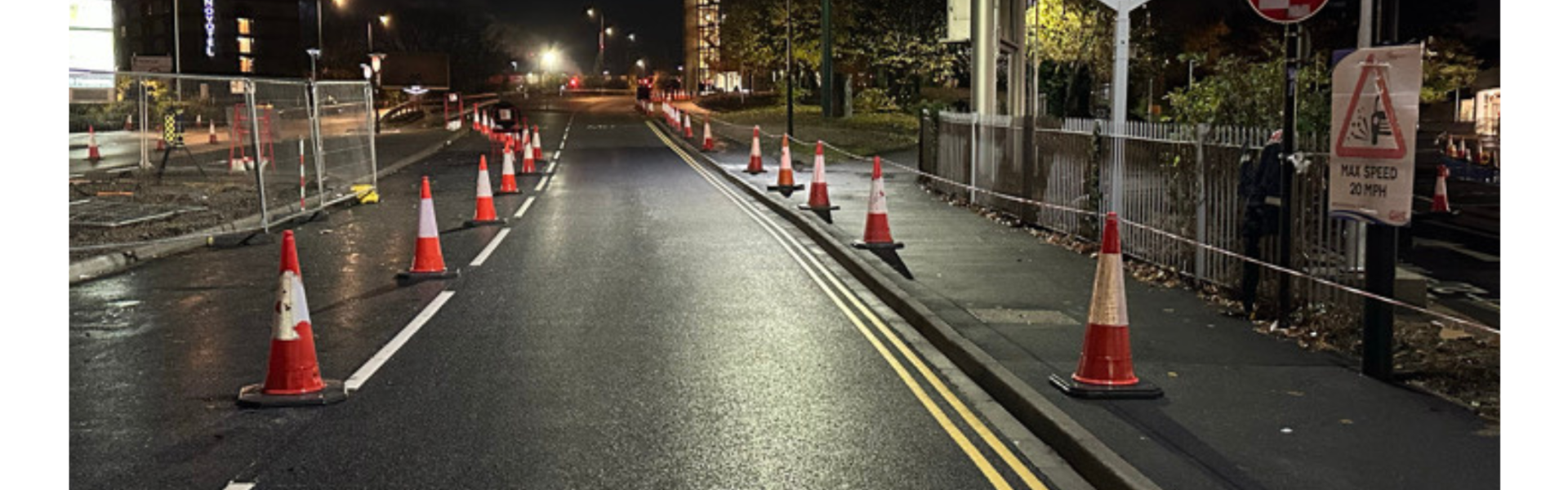
Yellow Lines on the Road Mean
Yellow lines painted on the road play a crucial role in regulating traffic flow and parking restrictions. Understanding what these lines signify is essential for all road users to ensure safety and compliance with traffic laws.
Single Yellow Line
A single yellow line painted at the edge of the road indicates parking restrictions during specific times. Drivers should check nearby signs to determine when parking is prohibited along a single yellow line.
Double Yellow Lines
Double yellow lines running parallel to the kerb signify a complete no-parking zone at all times. Parking on double yellow lines is strictly prohibited, and vehicles found parked here may be subject to fines or towing.
Yellow Zigzag Lines
Yellow zigzag lines near pedestrian crossings denote a no-stopping zone. These markings are intended to ensure clear visibility for pedestrians crossing the road and should not be obstructed by parked vehicles under any circumstances.
Loading Restrictions
In some areas, you may encounter yellow markings indicating loading restrictions. These markings specify designated loading zones where vehicles can stop temporarily for loading or unloading purposes within specified hours.
Bus Stops and Taxi Ranks
Yellow lines are often used to designate bus stops and taxi ranks. Vehicles other than buses or taxis are generally not permitted to stop or park in these areas to facilitate smooth passenger pick-up and drop-off operations.
In conclusion, yellow lines on the road serve as important visual cues for drivers regarding parking regulations, stopping restrictions, and designated zones for specific types of vehicles. It is crucial for motorists to adhere to these markings to promote traffic safety and efficient road usage.
Understanding Yellow Road Markings: A Guide to Navigating UK Traffic Lines
- Single yellow line
- Double yellow lines
- Yellow zigzag lines
- Yellow box junction
- Yellow cross-hatching
- Yellow curb markings
- Yellow road markings in bus lanes
- Temporary yellow road markings/signs
Single yellow line
A single yellow line painted at the edge of the road indicates parking restrictions during specific times. Drivers should check nearby signs to determine when parking is prohibited along a single yellow line. It serves as a reminder for motorists to be mindful of the designated times when parking is not allowed, helping to maintain smooth traffic flow and ensuring compliance with local parking regulations.
Double yellow lines
Double yellow lines on the road indicate a complete no-parking zone at all times. It is essential for drivers to understand that parking on double yellow lines is strictly prohibited. These markings are put in place to ensure clear traffic flow, visibility, and safety on the road. Violating parking restrictions on double yellow lines can result in fines or even the vehicle being towed. It is crucial for all road users to respect and adhere to these markings to maintain order and safety on the roads.
Yellow zigzag lines
Yellow zigzag lines painted on the road indicate a strict no-stopping zone, especially near pedestrian crossings. These yellow markings are crucial for ensuring clear visibility for pedestrians crossing the road and should never be obstructed by parked vehicles. It is important for drivers to always respect and adhere to yellow zigzag lines to prioritise pedestrian safety and prevent any potential hazards or accidents near designated crossing areas.
Yellow box junction
A yellow box junction is a road marking consisting of yellow lines forming a box shape on the road surface. It is used at intersections or junctions to prevent gridlock by ensuring that the area within the box remains clear at all times. Drivers must not enter the yellow box junction unless their exit road is clear, allowing them to move through without stopping and causing congestion. Failure to comply with the rules of a yellow box junction can result in fines and penalties, as obstructing this area can disrupt traffic flow and create safety hazards for other road users.
Yellow cross-hatching
Yellow cross-hatching on the road indicates an area where parking or stopping is strictly prohibited. These markings are typically found in areas where visibility needs to be maintained, such as junctions, pedestrian crossings, or near traffic lights. The purpose of yellow cross-hatching is to ensure clear passage for vehicles and pedestrians, reducing the risk of accidents and congestion. It is important for drivers to respect these markings and avoid parking or stopping in yellow cross-hatched zones to maintain road safety and traffic flow.
Yellow curb markings
Yellow curb markings are a common sight on roads and streets, serving as important indicators of parking regulations and restrictions. When you see a yellow curb, it typically signifies no parking or stopping at that location. These markings are particularly crucial near intersections, pedestrian crossings, and areas where visibility needs to be maintained for safety reasons. It is essential for drivers to pay attention to yellow curb markings to avoid parking violations and ensure the smooth flow of traffic along the road.
Yellow road markings in bus lanes
Yellow road markings in bus lanes serve to designate specific lanes exclusively for buses, allowing them to have priority access and smoother flow of traffic. These yellow markings help to differentiate bus lanes from regular traffic lanes, ensuring that other vehicles do not enter or obstruct these designated areas. By adhering to yellow road markings in bus lanes, drivers can contribute to efficient public transportation services and reduce congestion on the roads.
Temporary yellow road markings/signs
Temporary yellow road markings or signs are often used to indicate short-term changes in traffic regulations or conditions. These temporary markings can include yellow lines on the road, temporary traffic signs, or cones with yellow bands. They are typically deployed during roadworks, special events, or emergencies to inform drivers of temporary restrictions, lane closures, or detours. It is important for motorists to pay close attention to these temporary yellow markings and signs, as they help ensure smooth traffic flow and safety during temporary disruptions on the road.