
Enhancing Pedestrian Safety with Toucan Crossing Lights in the UK
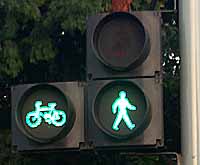
The Benefits of Toucan Crossing Lights for Pedestrian Safety
Toucan crossings are a type of pedestrian crossing that is designed to allow both pedestrians and cyclists to safely cross the road at the same time. These crossings are equipped with special lights and signals that help regulate the flow of traffic and ensure the safety of all road users.
Improved Safety
One of the key benefits of toucan crossing lights is the improved safety they provide for pedestrians and cyclists. By clearly indicating when it is safe to cross, these lights help reduce the risk of accidents and make crossing busy roads much safer.
Enhanced Accessibility
Toucan crossings are designed to be more accessible for pedestrians, including those with mobility impairments or disabilities. The extended crossing times and clear signals make it easier for all pedestrians to navigate busy intersections safely.
Promoting Active Travel
By providing a dedicated space for cyclists at toucan crossings, these lights encourage active travel and promote sustainable modes of transportation. This not only benefits individual health but also contributes to reducing traffic congestion and lowering carbon emissions.
Efficient Traffic Flow
Toucan crossings help maintain efficient traffic flow by separating pedestrian and cyclist movements from vehicular traffic. This segregation reduces conflicts at intersections and ensures smoother traffic operations for all road users.
Conclusion
In conclusion, toucan crossing lights play a vital role in enhancing pedestrian safety, promoting active travel, improving accessibility, and maintaining efficient traffic flow at intersections. These innovative crossings contribute to creating safer and more sustainable urban environments for everyone.
Benefits of Toucan Crossing Lights: Enhancing Safety and Accessibility for Pedestrians and Cyclists
- Improved safety for pedestrians and cyclists
- Enhanced accessibility for all road users
- Promotes active travel and sustainable transportation
- Efficient traffic flow management at intersections
- Clear signals help reduce the risk of accidents
- Extended crossing times benefit pedestrians with mobility impairments
- Separation of pedestrian/cyclist movements from vehicular traffic
Challenges of Toucan Crossing Lights: High Costs, Signal Confusion, and Space Constraints
Improved safety for pedestrians and cyclists
One significant advantage of toucan crossing lights is the enhanced safety they offer to pedestrians and cyclists. By clearly indicating when it is safe to cross, these lights help reduce the risk of accidents and provide a secure environment for both pedestrians and cyclists to navigate busy road intersections. This improvement in safety not only instils confidence in road users but also contributes to creating a more pedestrian-friendly and cyclist-friendly urban environment.
Enhanced accessibility for all road users
Enhanced accessibility for all road users is a significant advantage of toucan crossing lights. By providing clear signals and extended crossing times, toucan crossings ensure that pedestrians, including those with mobility impairments or disabilities, can navigate busy intersections safely and with ease. This accessibility feature promotes inclusivity on the roads, allowing everyone to move around urban areas confidently and independently.
Promotes active travel and sustainable transportation
Toucan crossing lights promote active travel and sustainable transportation by providing a dedicated space for cyclists and pedestrians to safely cross busy roads. By encouraging individuals to walk or cycle instead of relying on motor vehicles, these crossings contribute to reducing carbon emissions, alleviating traffic congestion, and promoting healthier lifestyles. This proactively supports the shift towards more sustainable modes of transportation, ultimately benefiting both individuals and the environment.
Efficient traffic flow management at intersections
Efficient traffic flow management at intersections is a significant advantage of toucan crossing lights. By separating pedestrian and cyclist movements from vehicular traffic, these lights help streamline the flow of vehicles through busy junctions. This segregation minimises conflicts and delays, ensuring smoother traffic operations and reducing the likelihood of congestion. As a result, toucan crossing lights contribute to enhancing overall road safety and improving the efficiency of urban transportation networks.
Clear signals help reduce the risk of accidents
Clear signals provided by toucan crossing lights play a crucial role in reducing the risk of accidents at intersections. By clearly indicating when it is safe for pedestrians and cyclists to cross the road, these signals help improve visibility for all road users and enhance overall safety. Drivers are better informed about pedestrian and cyclist movements, leading to reduced confusion and a lower likelihood of collisions. The clarity of signals at toucan crossings contributes significantly to creating a safer road environment for everyone.
Extended crossing times benefit pedestrians with mobility impairments
Extended crossing times at toucan crossings provide a significant benefit to pedestrians with mobility impairments. By allowing more time for individuals with disabilities to safely navigate the intersection, these extended times ensure that everyone, regardless of their mobility limitations, has ample opportunity to cross the road without feeling rushed or pressured. This proactively addresses the needs of pedestrians with mobility impairments, promoting inclusivity and accessibility in urban environments.
Separation of pedestrian/cyclist movements from vehicular traffic
One significant advantage of toucan crossing lights is the clear separation they provide between pedestrian and cyclist movements from vehicular traffic. By delineating dedicated spaces for pedestrians and cyclists to cross independently of vehicles, these crossings enhance safety for all road users. This separation reduces the risk of conflicts and potential accidents at intersections, ensuring a smoother flow of traffic and creating a safer environment for pedestrians, cyclists, and drivers alike.
Costly installation and maintenance
Toucan crossing lights present a significant drawback in their costly installation and maintenance requirements. The initial installation of these lights can be expensive, and ongoing maintenance is necessary to keep them in optimal working condition. Regular inspections and repairs are essential to ensure that toucan crossing lights function properly, adding to the overall cost of implementing and sustaining these pedestrian and cyclist safety features on roads.
Potential for signal confusion
The potential for signal confusion is a significant con associated with toucan crossing lights. The presence of additional lights and signals at these crossings can create confusion among road users, particularly cyclists and pedestrians who are not familiar with the crossing design. The complexity introduced by multiple signals may lead to uncertainty about when it is safe to cross, increasing the risk of accidents and compromising overall road safety. Clear signage and public awareness campaigns are essential to mitigate this issue and ensure that all users understand how to navigate toucan crossings effectively.
Space limitations
Toucan crossings, despite their numerous benefits, face a significant con related to space limitations. Unlike traditional pedestrian crossings, toucan crossings necessitate more space to accommodate the separate lanes for cyclists. This requirement can present challenges in urban areas with restricted space for infrastructure expansion. The need for additional room to implement toucan crossings may lead to difficulties in retrofitting existing intersections or constructing new ones, particularly in densely populated city centres where space is at a premium. Such constraints highlight the importance of careful planning and consideration of spatial requirements when integrating toucan crossings into urban road networks.