
Understanding the Meaning of Yellow Lines on the Road in the UK
The Meaning of Yellow Lines on the Road
Yellow lines painted on the road play a crucial role in regulating traffic flow and parking restrictions. Understanding the meaning of these markings is essential for all road users to ensure compliance with traffic laws and maintain safety on the roads.
Single Yellow Line
A single yellow line painted at the edge of the road indicates parking restrictions during certain times of the day. Drivers should check nearby signs to determine when parking is prohibited on a single yellow line.
Double Yellow Lines
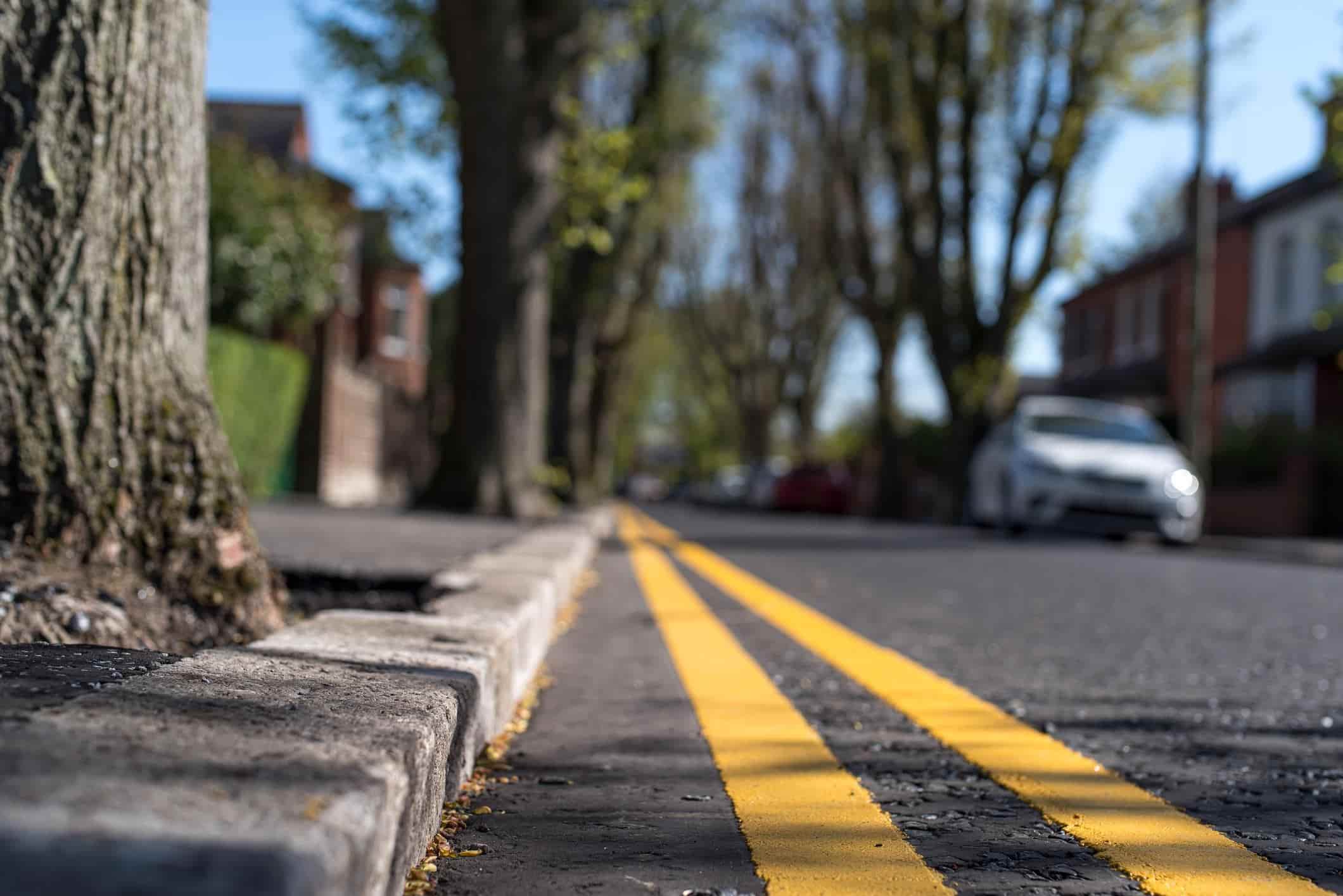
Double yellow lines running parallel to the kerb signify a complete no-parking zone at any time. Parking on double yellow lines is strictly prohibited, and drivers risk fines or penalties for disregarding this restriction.
Yellow Zigzag Lines
Yellow zigzag lines are commonly found near pedestrian crossings and denote a no-stopping zone. It is illegal to stop or park on yellow zigzag lines as they ensure clear visibility for pedestrians crossing the road, enhancing safety for all road users.
Bus Stop Markings
Yellow markings at bus stops indicate designated areas for buses to pick up and drop off passengers. Parking in these zones is not permitted to allow unobstructed access for buses and ensure efficient public transportation services.
Importance of Compliance
Adhering to yellow line markings is vital for maintaining traffic order, preventing congestion, and enhancing road safety. Failure to comply with parking restrictions indicated by yellow lines can result in fines, inconvenience to other road users, and potential hazards.
Conclusion
Yellow lines on the road serve as visual indicators of parking regulations and traffic management measures. By understanding and respecting these markings, drivers contribute to smoother traffic flow, improved pedestrian safety, and overall efficiency in urban mobility.
Understanding Road Markings: A Guide to Yellow Line Rules and Regulations
- What does a single yellow line on the road mean?
- Are there specific times when you can park on a single yellow line?
- Can you park on double yellow lines?
- What do yellow zigzag lines near pedestrian crossings signify?
- Is it legal to stop or park on yellow zigzag lines?
- Why are there yellow markings at bus stops?
What does a single yellow line on the road mean?
When encountering a single yellow line on the road, it signifies parking restrictions during specific times of the day. Drivers should be aware that parking is allowed on a single yellow line at certain times, typically indicated by nearby signage. However, during designated hours when the line is in effect, parking on a single yellow line is prohibited. Understanding the meaning of a single yellow line is essential for motorists to avoid fines and ensure compliance with traffic regulations, contributing to smoother traffic flow and enhanced safety on the roads.
Are there specific times when you can park on a single yellow line?
One frequently asked question regarding the meaning of yellow lines on the road is whether there are specific times when parking is allowed on a single yellow line. In the UK, a single yellow line typically indicates parking restrictions during certain times of the day. Drivers should refer to nearby signs or road markings to determine the specific times when parking is permitted on a single yellow line. It is crucial for motorists to be aware of and adhere to these time restrictions to avoid fines or penalties for parking violations and ensure smooth traffic flow and safety on the roads.
Can you park on double yellow lines?
Parking on double yellow lines is strictly prohibited in the UK. Double yellow lines indicate a complete no-parking zone at any time, and drivers should never park their vehicles on these markings. Violating this restriction can result in fines or penalties, as it is essential to comply with traffic regulations to maintain road safety and prevent congestion. It is crucial for all road users to understand the significance of double yellow lines and adhere to the parking restrictions they signify.
What do yellow zigzag lines near pedestrian crossings signify?
Yellow zigzag lines near pedestrian crossings signify a strict no-stopping zone. These yellow markings are specifically designed to ensure clear visibility for pedestrians using the crossing and enhance their safety. It is illegal to stop or park on yellow zigzag lines, as doing so can obstruct the view of both pedestrians and drivers, increasing the risk of accidents. By respecting and complying with these markings, drivers contribute to creating a safer environment for all road users at pedestrian crossings.
Is it legal to stop or park on yellow zigzag lines?
It is illegal to stop or park on yellow zigzag lines on the road. Yellow zigzag lines are typically found near pedestrian crossings and indicate a no-stopping zone. The purpose of these markings is to ensure clear visibility for pedestrians crossing the road, enhancing safety for all road users. Stopping or parking on yellow zigzag lines not only violates traffic regulations but also poses risks to pedestrians and other vehicles. It is important for drivers to adhere to these restrictions to maintain order on the roads and prioritise the safety of pedestrians.
Why are there yellow markings at bus stops?
Yellow markings at bus stops serve a crucial purpose in traffic management and public transportation efficiency. The yellow markings indicate designated areas where buses can safely stop to pick up and drop off passengers. By clearly demarcating these spaces, the yellow markings help ensure smooth traffic flow, prevent congestion around bus stops, and provide clear visibility for both bus drivers and pedestrians. Adhering to the no-parking rule in these designated zones allows buses to operate efficiently, passengers to board and alight safely, and overall enhances the effectiveness of public transportation services.