
Enhancing Road Safety with White Road Markings: A Guide for Drivers
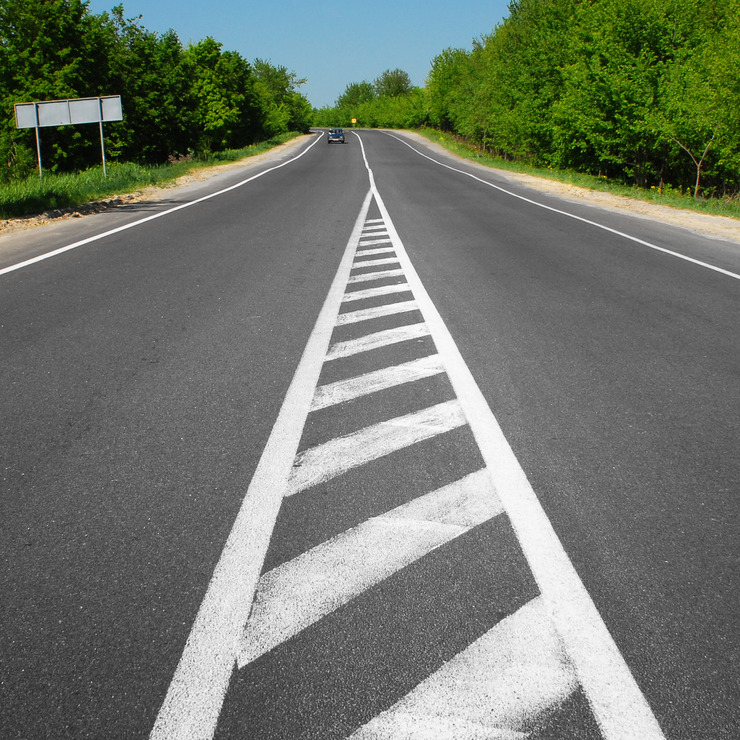
The Importance of White Road Markings for Traffic Safety
White road markings play a crucial role in ensuring safety and order on our roads. These markings are not just aesthetic additions to the asphalt; they serve as essential communication tools that guide and inform drivers, pedestrians, and cyclists.
Clarity and Visibility
White road markings are highly visible, especially at night or in adverse weather conditions. They help drivers identify lanes, boundaries, and other important information on the road surface. This clarity is essential for preventing accidents and ensuring smooth traffic flow.
Regulation and Compliance
In many countries, white road markings have specific meanings and regulations associated with them. For example, solid white lines typically indicate lane boundaries that should not be crossed, while dashed white lines may signal areas where lane changes are permitted. By understanding and obeying these markings, drivers can navigate roads safely and avoid conflicts with other road users.
Crosswalks and Pedestrian Safety
White road markings are commonly used to designate pedestrian crosswalks at intersections and other crossing points. These markings alert drivers to the presence of pedestrians and remind them to yield the right of way. By clearly defining these areas with white lines, we can enhance pedestrian safety and reduce the risk of accidents.
Maintenance and Durability
Regular maintenance of white road markings is essential to ensure their visibility and effectiveness. Over time, these markings may fade or wear out due to traffic exposure and weather conditions. By promptly repainting or refreshing white road markings, we can maintain their clarity and continue to benefit from their safety advantages.
Conclusion
White road markings are indispensable tools for promoting traffic safety, organisation, and compliance on our roads. By understanding their importance and adhering to their guidance, we can all contribute to creating a safer environment for everyone who uses our road networks.
Understanding White Road Markings: Types, Materials, and Regulations in the UK
- What are the 4 types of road markings?
- What are the white lines on residential roads?
- What are white road markings made of?
- How long are white lines on the road in the UK?
- Are white lines enforceable?
What are the 4 types of road markings?
There are four main types of road markings commonly used to convey important information to road users: longitudinal markings, transverse markings, object markings, and pavement markings. Longitudinal markings run parallel to the direction of traffic flow and include lines that separate lanes, indicate edges, or provide guidance. Transverse markings are perpendicular to the direction of traffic and include symbols such as arrows, stop lines, and pedestrian crossings. Object markings highlight obstacles or hazards on the road surface, while pavement markings designate specific areas for parking, loading zones, or other purposes. Each type of road marking serves a distinct purpose in enhancing safety and efficiency on our roads.
What are the white lines on residential roads?
The white lines on residential roads serve as important visual cues to both drivers and pedestrians, aiding in the organisation and safety of the local traffic flow. These markings typically delineate lanes, parking areas, pedestrian crossings, and other key traffic elements within residential areas. By clearly defining these spaces with white lines, road users are guided on where to drive, park, and walk, helping to reduce confusion and potential conflicts. Additionally, the presence of white road markings on residential roads contributes to a more orderly and secure environment for residents and visitors alike.
What are white road markings made of?
White road markings are typically made of durable and reflective materials to ensure visibility and longevity on the road surface. The most common material used for white road markings is thermoplastic, a type of synthetic resin that can be melted and applied to the road to create crisp and clear lines. Thermoplastic markings are known for their excellent adhesion to the road surface, resistance to wear and tear, and reflective properties that enhance visibility, especially at night or in low-light conditions. These characteristics make white thermoplastic road markings a popular choice for ensuring safety and guidance for drivers on our roads.
How long are white lines on the road in the UK?
In the UK, white lines on the road typically measure around 15 cm (6 inches) in width and vary in length depending on their purpose and location. Commonly used to delineate lanes, indicate boundaries, and provide guidance to road users, these white markings are designed to be clearly visible and easily understood by drivers. The length of white lines on the road is carefully determined based on traffic regulations and safety standards to ensure effective communication and promote orderly traffic flow on the UK’s road network.
Are white lines enforceable?
In the United Kingdom, white road markings are indeed enforceable and carry legal significance. Different types of white lines, such as solid lines, dashed lines, and double lines, have specific meanings and regulations associated with them. For example, crossing solid white lines is generally prohibited as they indicate lane boundaries that should not be crossed. Failure to comply with these markings can result in penalties, fines, or legal consequences as they are designed to regulate traffic flow, enhance safety, and ensure order on the roads. It is important for drivers to understand and adhere to the rules governing white road markings to promote safe and responsible driving practices.