
Enhancing Road Safety with White Line Paint: A Crucial Component of Traffic Management
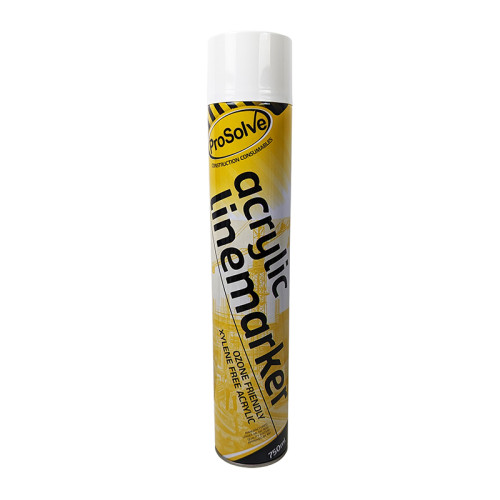
The Importance of White Line Paint on Roads
White line paint is a crucial component of road markings that plays a significant role in ensuring safety and order on our roads. These simple yet essential markings provide guidance to drivers, pedestrians, and cyclists, helping to regulate traffic flow and prevent accidents.
Visibility and Clarity
One of the primary functions of white line paint is to enhance visibility on the road. The contrasting white colour against the dark asphalt or concrete makes the markings easily identifiable, especially in low-light conditions or adverse weather.
Traffic Regulation
White lines are used to delineate lanes, indicate pedestrian crossings, define parking spaces, and highlight hazards or obstructions on the road. By clearly marking these areas, white line paint helps to guide road users and prevent conflicts that can lead to accidents.
Road Safety
Properly maintained white line paint is essential for promoting road safety. Faded or worn-out markings can be confusing for drivers and increase the risk of collisions. Regularly repainting white lines ensures that they remain clearly visible and effective in guiding traffic.
Maintenance and Durability
White line paint is formulated to withstand heavy traffic, harsh weather conditions, and exposure to UV radiation. High-quality paints are durable and long-lasting, reducing the frequency of repainting and maintenance costs for road authorities.
Conclusion
In conclusion, white line paint plays a vital role in maintaining order, safety, and efficiency on our roads. By investing in high-quality paints and regular maintenance of road markings, we can create a safer environment for all road users and reduce the risk of accidents.
Top 8 Tips for Perfecting White Line Painting: Achieving Durability and Visibility
- Ensure the surface is clean and dry before applying white line paint.
- Use masking tape to create straight lines when painting white lines.
- Apply multiple thin coats of white line paint for better durability.
- Follow manufacturer’s instructions for proper application and drying time.
- Consider using reflective white line paint for increased visibility at night.
- Maintain proper ventilation when working with white line paint indoors.
- Use a high-quality brush or roller for a smooth finish when painting white lines.
- Touch up any worn or faded white lines to maintain safety on roads or pavements.
Ensure the surface is clean and dry before applying white line paint.
To ensure the effectiveness and longevity of white line paint, it is essential to prepare the surface properly before application. One crucial tip is to ensure that the surface is clean and dry before painting. A clean surface free from dirt, debris, and moisture will allow the paint to adhere better and create clear, crisp lines. By following this recommendation, road marking professionals can achieve optimal results in terms of visibility, durability, and overall road safety.
Use masking tape to create straight lines when painting white lines.
To ensure precision and accuracy when painting white lines on roads or car parks, a useful tip is to use masking tape to create straight lines. By carefully applying masking tape along the desired path of the white line, painters can achieve clean and straight edges without the need for freehand painting. This technique not only helps maintain uniformity in line width but also minimises errors and ensures a professional finish. Removing the masking tape after painting allows for crisp and well-defined white lines that enhance visibility and safety on the road.
Apply multiple thin coats of white line paint for better durability.
To enhance the durability of white line paint, it is recommended to apply multiple thin coats rather than a single thick coat. By layering the paint in thin coats, each layer can adhere better to the surface and dry more evenly, resulting in a smoother and more resilient finish. This method helps to prevent premature wear and fading of the markings, ensuring that they remain clear and visible for an extended period of time. Additionally, applying multiple thin coats allows for better control over the thickness and coverage of the paint, leading to a more professional and long-lasting result on roads and other surfaces.
Follow manufacturer’s instructions for proper application and drying time.
It is essential to follow the manufacturer’s instructions for the correct application and drying time of white line paint. Adhering to these guidelines ensures that the paint adheres properly to the road surface, resulting in clear and durable markings. Proper drying time is crucial to allow the paint to set and cure effectively, enhancing its longevity and visibility for road users. By following the manufacturer’s recommendations, you can achieve optimal results in maintaining safe and well-defined road markings.
Consider using reflective white line paint for increased visibility at night.
Consider using reflective white line paint for increased visibility at night. Reflective white line paint is an excellent choice for road markings as it enhances visibility in low-light conditions, such as at night or during adverse weather. The reflective properties of this paint help to make the markings stand out to drivers, improving safety on the roads and reducing the risk of accidents. By incorporating reflective white line paint into road marking projects, authorities can significantly enhance road safety for all road users, especially during nighttime travel.
Maintain proper ventilation when working with white line paint indoors.
It is essential to maintain proper ventilation when working with white line paint indoors. Adequate ventilation helps to ensure the dispersion of paint fumes, reducing the risk of inhalation and potential health hazards associated with prolonged exposure to solvents and chemicals. Proper ventilation also aids in drying the paint efficiently, allowing for a smoother and more durable finish. By prioritising ventilation during indoor painting projects, you can create a safer working environment and achieve optimal results with white line paint application.
Use a high-quality brush or roller for a smooth finish when painting white lines.
When painting white lines, it is essential to use a high-quality brush or roller to achieve a smooth finish. A good brush or roller will help ensure that the paint is applied evenly and precisely, resulting in clear and crisp lines on the road surface. By investing in the right tools for the job, you can enhance the visibility and durability of the white line markings, contributing to improved safety and traffic regulation on the roads.
Touch up any worn or faded white lines to maintain safety on roads or pavements.
To ensure safety on roads or pavements, it is important to promptly touch up any worn or faded white lines. Maintaining clear and visible markings is essential for guiding road users, preventing confusion, and reducing the risk of accidents. By addressing worn or faded white lines in a timely manner, authorities can uphold safety standards and promote efficient traffic flow for the benefit of all pedestrians and drivers.