
Navigating Safely: Understanding the Single White Line on the Road
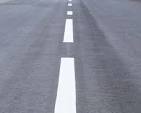
The Importance of the Single White Line on the Road
Single white lines on the road play a crucial role in guiding and managing traffic flow, ensuring safety for all road users. These simple markings serve as visual cues that convey important information to drivers, pedestrians, and cyclists.
Definition and Purpose
A single white line typically separates lanes of traffic moving in the same direction. It indicates that drivers should stay within their lane and not cross over into adjacent lanes unless necessary for overtaking or turning. This helps maintain order on the road and reduces the risk of collisions.
Usage and Regulations
In the UK, single white lines are commonly used on various types of roads, including motorways, dual carriageways, and urban streets. Drivers must familiarise themselves with the Highway Code to understand the specific rules associated with single white lines in different situations.
Overtaking and Lane Discipline
Single white lines are often seen near bends, junctions, or areas with restricted visibility. They indicate areas where overtaking is not permitted due to potential hazards ahead. By adhering to these markings, drivers can avoid dangerous manoeuvres that may lead to accidents.
Enhancing Safety
By respecting single white lines on the road, motorists contribute to overall road safety by maintaining proper lane discipline and reducing the likelihood of conflicts between vehicles. These markings help create a predictable traffic flow that benefits everyone sharing the road.
Conclusion
The single white line on the road is a simple yet effective tool for managing traffic and promoting safety. It serves as a visual guide that helps drivers navigate roads efficiently while minimising risks associated with lane changes and overtaking. By understanding and following the rules associated with these markings, motorists can contribute to a safer driving environment for all.
Nine Benefits of Single White Line Road Markings for Enhanced Safety and Traffic Flow
- Provides clear lane demarcation for drivers
- Helps prevent lane drifting and encroachment
- Reduces the risk of head-on collisions
- Guides motorists during night-time or low-visibility conditions
- Indicates areas where overtaking is unsafe or prohibited
- Promotes smoother traffic flow and reduces congestion
- Improves overall road safety for all road users
- Assists in maintaining consistent speeds on the road
- Enhances driver awareness and anticipation of hazards
Challenges Posed by Single White Lines on Roads: A Closer Look at Driver Frustration and Safety Concerns
- Limited overtaking opportunities, leading to potential frustration among drivers.
- May cause congestion during peak traffic hours due to restricted lane usage.
- Can be confusing for inexperienced or unfamiliar drivers, resulting in lane deviation.
- Inadequate visibility in adverse weather conditions, making it challenging to discern the line.
- Does not provide sufficient guidance for complex road layouts or intersections, increasing the risk of errors.
Provides clear lane demarcation for drivers
The presence of single white lines on the road provides a clear and distinct demarcation of lanes for drivers, helping them maintain proper lane discipline and navigate the road safely. By clearly outlining the boundaries of each lane, these markings reduce confusion and uncertainty among motorists, promoting smoother traffic flow and reducing the likelihood of lane-changing conflicts. Drivers can easily identify their designated lane and stay within it, contributing to improved road safety for all road users.
Helps prevent lane drifting and encroachment
The presence of single white lines on the road serves as a valuable tool in preventing lane drifting and encroachment by providing a clear visual boundary for drivers to follow. By delineating individual lanes, these markings help motorists maintain their position on the road and avoid unintentional drifts into adjacent lanes. This proactive measure not only enhances traffic flow but also reduces the likelihood of dangerous lane changes or conflicts between vehicles, ultimately contributing to a safer and more orderly driving environment for all road users.
Reduces the risk of head-on collisions
The presence of a single white line on the road significantly reduces the risk of head-on collisions by clearly delineating lanes of traffic moving in the same direction. This visual separation serves as a vital safety measure, guiding drivers to stay within their designated lanes and avoid encroaching into oncoming traffic. By maintaining lane discipline and respecting the single white line, motorists help create a safer driving environment where the likelihood of dangerous head-on collisions is minimised, ultimately enhancing road safety for all road users.
Guides motorists during night-time or low-visibility conditions
During night-time or low-visibility conditions, the presence of a single white line on the road serves as a crucial guide for motorists. The reflective properties of the white line enhance its visibility, helping drivers maintain their lane position and navigate safely through dark or foggy environments. By following the path outlined by the single white line, motorists can better judge distances, reduce the risk of straying into adjacent lanes, and improve overall road safety during challenging visibility conditions.
Indicates areas where overtaking is unsafe or prohibited
The presence of a single white line on the road serves as a clear indication to drivers that overtaking is either unsafe or prohibited in that particular area. By highlighting these sections of the road, the single white line helps motorists recognise potential hazards or limited visibility ahead, prompting them to exercise caution and refrain from risky overtaking manoeuvres. This proactive measure enhances road safety by reducing the likelihood of accidents and promoting responsible driving behaviour among road users.
Promotes smoother traffic flow and reduces congestion
The presence of single white lines on the road plays a vital role in promoting smoother traffic flow and reducing congestion. By clearly delineating lanes and guiding drivers to stay within their designated paths, these markings help maintain order on the road and prevent unnecessary lane changes that can lead to bottlenecks and delays. As motorists adhere to the guidance provided by single white lines, traffic moves more efficiently, creating a seamless flow that benefits all road users and minimises the likelihood of gridlock during peak travel times.
Improves overall road safety for all road users
The presence of single white lines on the road significantly enhances overall road safety for all road users. By clearly delineating lanes and guiding traffic flow, these markings help reduce confusion and potential conflicts between vehicles. Drivers who adhere to single white lines are more likely to maintain proper lane discipline, reducing the risk of accidents and improving the predictability of traffic movements. This proactive measure contributes to a safer driving environment where pedestrians, cyclists, and motorists can navigate with increased confidence and security.
Assists in maintaining consistent speeds on the road
The presence of single white lines on the road serves as a valuable tool in assisting with maintaining consistent speeds among motorists. By clearly delineating lanes and guiding drivers to stay within their designated lane, these markings help regulate traffic flow and discourage abrupt lane changes or erratic driving behaviour. This promotes a smoother and more predictable driving experience for all road users, contributing to improved road safety and efficiency.
Enhances driver awareness and anticipation of hazards
The presence of single white lines on the road enhances driver awareness and anticipation of hazards by providing clear visual cues that help drivers anticipate potential dangers ahead. By delineating lanes and indicating areas where overtaking is not permitted, these markings prompt drivers to remain vigilant and prepared for upcoming challenges such as bends, junctions, or changes in road conditions. This proactive approach to hazard recognition facilitated by single white lines contributes significantly to improving road safety and reducing the likelihood of accidents caused by sudden or unexpected obstacles.
Limited overtaking opportunities, leading to potential frustration among drivers.
One significant drawback of the single white line on the road is its restriction on overtaking opportunities, which can result in frustration among drivers. When drivers are unable to overtake slower vehicles due to these markings, it may lead to impatience and a sense of being stuck behind slower traffic. This limitation can potentially increase stress levels and create a less pleasant driving experience, especially on roads where overtaking is challenging due to limited visibility or road conditions.
May cause congestion during peak traffic hours due to restricted lane usage.
During peak traffic hours, the presence of single white lines on the road can contribute to congestion by limiting lane usage. Drivers may find themselves restricted to their designated lanes, unable to switch lanes to navigate traffic more efficiently. This lack of lane flexibility can lead to bottlenecks and delays, especially in areas where traffic volume is high. As a result, congestion may worsen as vehicles are unable to flow freely between lanes, impacting overall traffic flow and increasing travel times for commuters.
Can be confusing for inexperienced or unfamiliar drivers, resulting in lane deviation.
Single white lines on the road can pose a challenge for inexperienced or unfamiliar drivers, potentially leading to confusion and lane deviation. Drivers who are not accustomed to interpreting road markings may find it difficult to understand the significance of the single white line and its restrictions on lane changes. This lack of awareness can result in unintended lane deviations, compromising road safety and causing disruptions in traffic flow. Adequate education and awareness campaigns are essential to help all drivers, especially novices, grasp the importance of adhering to single white lines for smoother and safer journeys on the road.
Inadequate visibility in adverse weather conditions, making it challenging to discern the line.
During adverse weather conditions, such as heavy rain, fog, or snow, one of the significant drawbacks of a single white line on the road is its inadequate visibility. The reduced visibility in such weather makes it challenging for drivers to discern the line clearly, leading to potential confusion and difficulty in staying within their lane. This lack of clarity can compromise road safety by increasing the risk of lane drifting and unintended lane changes, posing a hazard to both the driver and other road users. Drivers must exercise extra caution and adapt their driving behaviour accordingly when faced with poor visibility conditions to mitigate the limitations imposed by single white lines on the road.
Does not provide sufficient guidance for complex road layouts or intersections, increasing the risk of errors.
The con of single white lines on the road is that they may not always offer adequate guidance for navigating complex road layouts or intersections, potentially leading to confusion and errors among drivers. In situations where multiple lanes converge or intricate junctions require precise manoeuvring, relying solely on single white lines may not effectively communicate the intended traffic flow. This limitation can increase the risk of misunderstandings, lane deviations, and ultimately contribute to a higher potential for accidents at these challenging points on the road.