
Enhancing Safety and Efficiency: The Importance of Roundabout Road Markings
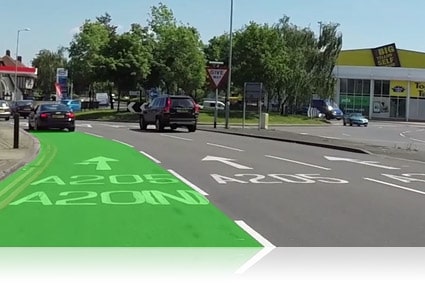
The Importance of Roundabout Road Markings
Roundabouts are common features on roads around the world, designed to improve traffic flow and safety at intersections. Proper road markings on roundabouts play a crucial role in guiding drivers, cyclists, and pedestrians through these complex junctions.
Key Functions of Roundabout Road Markings
Roundabout road markings serve several important functions:
- Lane delineation: Clear lane markings help drivers navigate the roundabout safely by indicating which lanes to use for different exits.
- Pedestrian crossings: Markings at pedestrian crossings near roundabouts ensure the safety of pedestrians crossing the road.
- Cycle lanes: Dedicated cycle lanes marked on roundabouts provide a safe path for cyclists to navigate through the junction.
- Give way lines: Give way lines at entry points indicate where vehicles must yield to traffic already circulating within the roundabout.
- Chevron markings: Chevron markings on the central island guide drivers around the roundabout and prevent encroachment into other lanes.
The Role of Road Markings in Roundabout Safety
Clear and well-maintained road markings are essential for ensuring safety at roundabouts. They help reduce confusion among road users, minimise the risk of collisions, and improve overall traffic efficiency. Properly designed and visible markings enhance communication between drivers, cyclists, and pedestrians, promoting smoother traffic flow through these busy junctions.
Maintenance of Roundabout Road Markings
To ensure the effectiveness of roundabout road markings, regular maintenance is crucial. Faded or worn-out markings can lead to misunderstandings among road users and compromise safety. Local authorities and road maintenance teams should periodically inspect and repaint roundabout markings to keep them clear and visible.
In conclusion, roundabout road markings are vital elements in promoting safe and efficient traffic flow at junctions. By following these guidelines and maintaining clear markings, we can enhance road safety for all users navigating roundabouts.
Essential Tips for Navigating Roundabout Road Markings Safely and Efficiently
- Give way to traffic on your right when entering the roundabout.
- Stay in your lane and do not change lanes while on the roundabout.
- Use your indicators to signal when exiting the roundabout.
- Follow road markings and signs to choose the correct lane before entering.
- Be aware of pedestrians crossing at designated crossings near the roundabout.
- Yield to cyclists and give them enough space while navigating the roundabout.
- Keep a safe distance from vehicles in front of you to avoid sudden braking.
- Do not stop or park on the roundabout except in emergencies.
- Be cautious of large vehicles like buses and trucks that may need extra space on the roundabout.
Give way to traffic on your right when entering the roundabout.
When entering a roundabout, it is important to remember the rule of giving way to traffic on your right. This simple guideline helps maintain the smooth flow of vehicles within the roundabout and prevents potential collisions. By yielding to traffic approaching from your right, drivers can safely navigate the junction and avoid disruptions to the traffic pattern. Adhering to this rule promotes safer interactions between vehicles and contributes to overall road safety at roundabouts.
Stay in your lane and do not change lanes while on the roundabout.
It is essential to stay in your lane and avoid changing lanes while navigating a roundabout. By staying in your designated lane, you help maintain a smooth flow of traffic and reduce the risk of collisions with other vehicles. Changing lanes within the roundabout can lead to confusion and potential accidents, as other drivers may not anticipate your movements. Remember to follow the lane markings and choose the correct lane based on your intended exit to ensure safe and efficient manoeuvring through the roundabout.
Use your indicators to signal when exiting the roundabout.
When navigating a roundabout, it is important to use your indicators to signal when exiting the junction. Indicating your intention to exit helps communicate your movements to other road users, reducing confusion and enhancing overall traffic safety. By using your indicators appropriately, you contribute to smoother traffic flow and create a safer environment for everyone on the road. Remember, clear communication through indicator signals plays a crucial role in ensuring a safe and efficient journey through roundabouts.
Follow road markings and signs to choose the correct lane before entering.
When approaching a roundabout, it is essential to follow road markings and signs to select the appropriate lane before entering. By adhering to the designated lanes indicated by road markings and signs, drivers can navigate the roundabout safely and efficiently. Choosing the correct lane in advance helps in smooth traffic flow, reduces confusion among road users, and enhances overall safety at the junction. Remembering to follow these guidelines ensures a seamless driving experience while navigating roundabouts.
Be aware of pedestrians crossing at designated crossings near the roundabout.
Drivers approaching roundabouts should always be vigilant and aware of pedestrians crossing at designated crossings near the junction. Pedestrian safety is paramount, and being mindful of marked crossings ensures that pedestrians can navigate the area safely. By exercising caution and giving priority to pedestrians when necessary, drivers contribute to a safer environment for all road users at roundabouts.
Yield to cyclists and give them enough space while navigating the roundabout.
When navigating roundabouts, it is important to remember to yield to cyclists and provide them with sufficient space. Cyclists have the right to use the road safely, and giving them adequate room on roundabouts helps ensure their safety and smooth flow of traffic. By being mindful of cyclists and accommodating their presence on the road, drivers can contribute to a safer and more harmonious environment for all road users at roundabouts.
Keep a safe distance from vehicles in front of you to avoid sudden braking.
It is essential to maintain a safe distance from vehicles in front of you when navigating roundabouts to prevent sudden braking. By keeping a safe distance, you allow yourself more reaction time in case the vehicle ahead slows down or stops unexpectedly. This practice not only reduces the risk of rear-end collisions but also helps maintain a smooth and steady flow of traffic through the roundabout, enhancing overall safety for all road users.
Do not stop or park on the roundabout except in emergencies.
It is important to adhere to the rule of not stopping or parking on the roundabout except in emergencies. Roundabouts are designed to keep traffic flowing smoothly and any obstruction, such as a stationary vehicle, can disrupt the flow and potentially lead to accidents. By avoiding stopping or parking on the roundabout unless absolutely necessary, drivers can help maintain the safety and efficiency of these junctions for all road users.
Be cautious of large vehicles like buses and trucks that may need extra space on the roundabout.
When navigating roundabouts, it is important to be cautious of large vehicles such as buses and trucks that may require extra space to manoeuvre safely. These vehicles have a wider turning radius and may need more room to navigate the roundabout without encroaching into adjacent lanes. Being aware of their presence and giving them the space they need can help prevent potential conflicts and ensure smoother traffic flow for all road users on the roundabout.