Optimising Urban Mobility: The Power of Freeflow Traffic Management
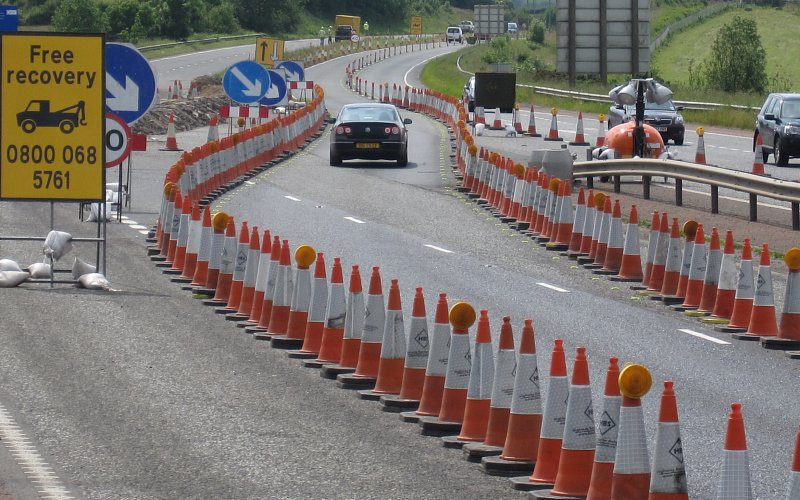
The Importance of Freeflow Traffic Management
Freeflow traffic management is a critical aspect of modern transportation systems that aims to ensure the smooth and efficient flow of traffic on roads and highways. It involves the strategic planning, implementation, and monitoring of various measures to reduce congestion, improve safety, and enhance the overall driving experience for motorists.
Key Components of Freeflow Traffic Management
Effective freeflow traffic management encompasses a range of strategies and technologies designed to optimise traffic flow. Some key components include:
- Intelligent Transport Systems (ITS): ITS technologies such as traffic signal coordination, variable message signs, and real-time traffic monitoring systems play a crucial role in managing traffic flow by providing timely information to drivers and authorities.
- Road Markings and Signage: Clear road markings, signage, and lane delineation help guide motorists safely through intersections and complex road layouts, reducing the risk of accidents and congestion.
- Traffic Signal Timing: Properly synchronised traffic signals can significantly improve the efficiency of intersections by minimising delays and queues, allowing for smoother traffic flow along major routes.
- Public Transport Integration: Encouraging the use of public transport through dedicated lanes, priority signalling, and seamless multimodal connections can help reduce private vehicle volumes on roads, easing congestion during peak hours.
- Traffic Monitoring and Data Analysis: Continuous monitoring of traffic conditions using sensors, cameras, and data analytics enables authorities to identify bottlenecks, predict congestion hotspots, and implement targeted interventions to alleviate traffic flow issues.
The Benefits of Freeflow Traffic Management
By adopting a holistic approach to freeflow traffic management, cities and transportation agencies can reap numerous benefits:
- Reduced Congestion: Efficient traffic management strategies help minimise congestion levels on roads, leading to shorter travel times for commuters and lower fuel consumption.
- Enhanced Safety: Clear signage, well-maintained road markings, and smart intersection design contribute to safer driving conditions by reducing the likelihood of collisions and conflicts between vehicles.
- Economic Savings: By optimising traffic flow and reducing delays, freeflow traffic management can result in cost savings for businesses reliant on efficient transportation networks while boosting overall productivity.
- Sustainability: Promoting alternative modes of transport alongside effective traffic management practices can help reduce greenhouse gas emissions associated with private vehicle use while promoting a more sustainable urban environment.
In conclusion, freeflow traffic management plays a vital role in shaping modern urban mobility by prioritising efficiency, safety, and sustainability on our roads. By investing in innovative technologies and proactive strategies that prioritise smooth traffic flow, cities can create more liveable environments for residents while ensuring seamless connectivity for all road users.
Advantages of Freeflow Traffic Management: Reducing Congestion and Enhancing Urban Mobility
- Reduced congestion levels on roads
- Improved road safety for motorists and pedestrians
- Enhanced traffic flow efficiency
- Cost savings through shorter travel times and lower fuel consumption
- Promotion of sustainable urban mobility practices
Challenges and Concerns in Implementing Freeflow Traffic Management Systems
- Increased reliance on technology, which may be prone to malfunctions or system failures.
- Potential privacy concerns related to the collection and analysis of personal data from traffic monitoring systems.
- High initial investment costs for implementing advanced freeflow traffic management infrastructure and technologies.
- Limited effectiveness in addressing sudden or unpredictable traffic incidents such as accidents or road closures.
- Possible resistance from motorists accustomed to traditional traffic patterns, leading to confusion or non-compliance with new management measures.
- Challenges in coordinating multi-agency efforts and securing stakeholder buy-in for cohesive freeflow traffic management strategies.
- Risk of unintended consequences, such as diverted congestion to alternative routes or neighbourhoods due to changes in traffic flow patterns.
Reduced congestion levels on roads
Reduced congestion levels on roads, a key benefit of freeflow traffic management, lead to smoother traffic flow, shorter travel times, and decreased frustration for motorists. By implementing efficient traffic management strategies such as intelligent transport systems and well-coordinated traffic signal timing, cities can alleviate bottlenecks and improve the overall driving experience. Lower congestion not only enhances road safety by reducing the risk of accidents but also contributes to economic savings through lower fuel consumption and increased productivity for businesses dependent on reliable transportation networks.
Improved road safety for motorists and pedestrians
One significant benefit of freeflow traffic management is the enhanced road safety it offers to both motorists and pedestrians. By implementing clear road markings, proper signage, and efficient traffic flow strategies, freeflow traffic management helps reduce the risk of accidents and conflicts on the roads. Improved visibility and guidance for drivers, along with well-designed pedestrian crossings and dedicated lanes, create a safer environment for all road users, ultimately contributing to a decrease in road-related injuries and fatalities.
Enhanced traffic flow efficiency
Enhanced traffic flow efficiency is a key advantage of freeflow traffic management systems. By implementing intelligent strategies such as synchronised traffic signals, dynamic lane management, and real-time data analysis, traffic flow can be optimised to reduce congestion and delays on roads and highways. This not only leads to smoother journeys for motorists but also improves overall road network capacity, allowing for more vehicles to move through the system in a safe and efficient manner. Enhanced traffic flow efficiency contributes to reduced travel times, lower fuel consumption, and enhanced productivity for businesses and commuters alike.
Cost savings through shorter travel times and lower fuel consumption
One significant advantage of freeflow traffic management is the potential for cost savings due to shorter travel times and reduced fuel consumption. By implementing efficient traffic flow strategies, such as synchronised traffic signals and congestion mitigation measures, motorists experience less time stuck in traffic jams, leading to quicker journeys and lower fuel usage. These cost savings not only benefit individual drivers but also have a positive impact on businesses reliant on timely transportation, ultimately contributing to improved economic efficiency and sustainability in urban areas.
Promotion of sustainable urban mobility practices
Promotion of sustainable urban mobility practices is a key benefit of freeflow traffic management. By encouraging the use of public transport, cycling, and walking through dedicated lanes, priority signalling, and integrated transport systems, freeflow traffic management helps reduce reliance on private vehicles. This shift towards sustainable modes of transport not only decreases traffic congestion and emissions but also promotes healthier and more environmentally friendly ways of commuting within cities. Ultimately, by prioritising sustainable urban mobility practices, freeflow traffic management contributes to creating greener and more liveable urban environments for residents.
Increased reliance on technology, which may be prone to malfunctions or system failures.
An inherent con of freeflow traffic management is the increased reliance on technology, which introduces a vulnerability to malfunctions or system failures. As traffic management systems become more sophisticated and interconnected, they are susceptible to technical glitches, software bugs, or hardware failures that could disrupt the smooth flow of traffic. In the event of a system breakdown or malfunction, there is a risk of causing delays, confusion among motorists, and potential safety hazards on the roads. This overreliance on technology underscores the importance of implementing robust backup systems and contingency plans to mitigate the impact of technical failures on traffic operations.
Potential privacy concerns related to the collection and analysis of personal data from traffic monitoring systems.
One significant con of freeflow traffic management is the potential privacy concerns arising from the collection and analysis of personal data through traffic monitoring systems. As these systems rely on various technologies like sensors, cameras, and data analytics to monitor traffic conditions and make informed decisions, there is a risk of inadvertently capturing sensitive information about individuals, such as their travel patterns, vehicle registrations, or even identifiable characteristics. This raises valid concerns about data security, surveillance practices, and the protection of personal privacy rights in an increasingly digitised urban environment. Addressing these privacy challenges is crucial to ensuring that the benefits of freeflow traffic management do not come at the expense of individual privacy and civil liberties.
High initial investment costs for implementing advanced freeflow traffic management infrastructure and technologies.
One significant drawback of freeflow traffic management is the high initial investment costs associated with implementing advanced infrastructure and technologies. The deployment of intelligent transport systems, real-time traffic monitoring devices, and sophisticated traffic signal coordination mechanisms requires substantial financial resources upfront. These costs can pose a challenge for local authorities and transportation agencies looking to upgrade their traffic management systems, especially in cases where budget constraints may limit the adoption of cutting-edge solutions that could significantly improve traffic flow efficiency and safety on roads.
Limited effectiveness in addressing sudden or unpredictable traffic incidents such as accidents or road closures.
One significant drawback of freeflow traffic management is its limited effectiveness in addressing sudden or unpredictable traffic incidents, such as accidents or road closures. While the system is designed to optimise traffic flow under normal conditions, it may struggle to adapt quickly to unexpected events that can disrupt the flow of vehicles. In situations where roads need to be closed or rerouted due to emergencies, the predefined traffic management strategies may not be sufficient to handle the resulting congestion and delays effectively. This limitation highlights the importance of complementing freeflow systems with flexible and responsive measures to manage unforeseen disruptions on the road network.
Possible resistance from motorists accustomed to traditional traffic patterns, leading to confusion or non-compliance with new management measures.
One significant drawback of freeflow traffic management is the potential resistance from motorists who are accustomed to traditional traffic patterns. Introducing new management measures, such as changes in lane configurations or signal timings, can lead to confusion and non-compliance among drivers who are used to familiar routes and driving behaviours. This resistance may result in delays, congestion, and even safety hazards on the roads as motorists struggle to adapt to the new system, highlighting the challenge of balancing innovation in traffic management with the need for effective communication and public acceptance.
Challenges in coordinating multi-agency efforts and securing stakeholder buy-in for cohesive freeflow traffic management strategies.
One significant challenge of freeflow traffic management is the coordination of efforts across multiple agencies and securing buy-in from stakeholders to implement cohesive strategies. With various entities involved, such as local authorities, transportation departments, law enforcement agencies, and public transport operators, achieving alignment on priorities and actions can be complex. Additionally, garnering support and commitment from stakeholders who may have differing objectives or concerns can hinder the seamless implementation of freeflow traffic management initiatives. Effective communication, collaboration, and consensus-building are essential to address this con and ensure that all parties work together towards a unified approach to optimising traffic flow and enhancing road safety.
Risk of unintended consequences, such as diverted congestion to alternative routes or neighbourhoods due to changes in traffic flow patterns.
One significant con of freeflow traffic management is the risk of unintended consequences, such as diverted congestion to alternative routes or neighbourhoods resulting from changes in traffic flow patterns. While the implementation of measures to improve traffic flow in specific areas may alleviate congestion temporarily, it can lead to the displacement of traffic problems to other routes or residential areas. This phenomenon can create new challenges for communities that were not initially affected, potentially increasing noise pollution, air pollution, and safety concerns in those areas. It underscores the importance of comprehensive planning and holistic approaches to traffic management that consider the broader impact on the entire transportation network.
