
Enhancing Road Safety with Effective Directional Road Signs in the UK
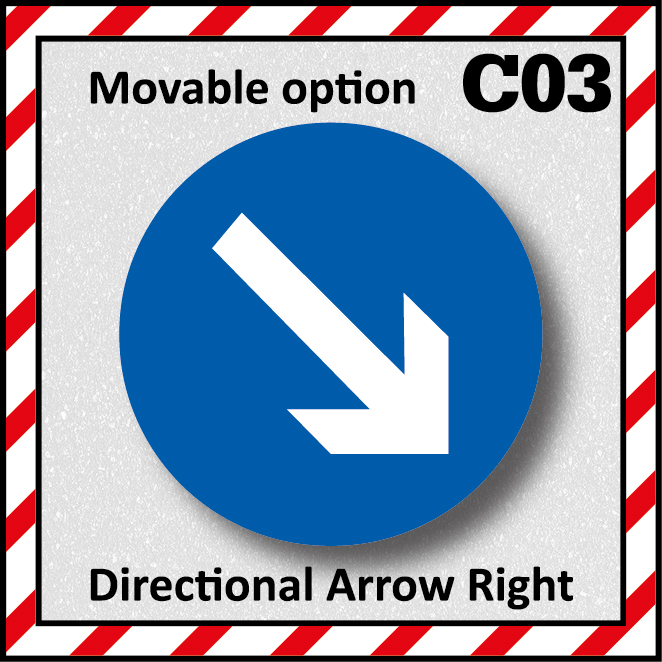
The Importance of Directional Road Signs
Directional road signs play a crucial role in guiding motorists and pedestrians to their intended destinations. These signs provide essential information about routes, locations, and points of interest, helping to ensure smooth and safe navigation on roads.
Types of Directional Road Signs
There are several types of directional road signs that serve different purposes:
- Primary Destination Signs: These signs indicate major destinations such as cities or towns and provide directional information for motorists travelling long distances.
- Advance Direction Signs: Placed in advance of junctions or exits, these signs give drivers time to change lanes or prepare for upcoming turns.
- Route Confirmatory Signs: Located along a route, these signs reassure drivers that they are on the correct path towards their destination.
- Tourist Attraction Signs: These signs highlight nearby tourist attractions, historical sites, or recreational facilities to encourage visitors to explore the area.
The Design and Placement of Directional Road Signs
Directional road signs are designed with clear and easy-to-read fonts, symbols, and colours to ensure quick comprehension by drivers. The placement of these signs is strategic, with consideration given to visibility, distance from decision points, and traffic flow.
The Benefits of Effective Directional Road Signs
Effective directional road signs offer numerous benefits to road users and local communities:
- Safety: Clear directional signage reduces driver confusion and minimises the risk of wrong turns or sudden lane changes.
- Ease of Navigation: Well-placed signs help drivers navigate unfamiliar areas with confidence, leading to smoother journeys and reduced travel times.
- Tourism Promotion: Tourist attraction signs promote local landmarks and encourage visitors to explore the region’s cultural and natural heritage.
- Traffic Management: By guiding drivers efficiently along designated routes, directional road signs contribute to smoother traffic flow and reduced congestion.
In conclusion, directional road signs are essential elements of our road infrastructure that enhance safety, convenience, and accessibility for all road users. Their effective design and placement play a vital role in ensuring smooth navigation on our roads while promoting tourism and supporting local communities.
Mastering the Roads: 9 Essential Tips for Navigating with Directional Signs in the UK
- Follow the signs for your destination
- Pay attention to the symbols and colours used on the signs
- Plan your route in advance using road signs as a guide
- Look out for any temporary or diversion signs along the way
- Use landmarks mentioned on the signs to stay on track
- Keep an eye out for motorway exit signs well in advance
- Understand common abbreviations used on road signs (e.g. M for motorway)
- Be aware of different types of road signs like informational, warning, and regulatory signs
- Stay alert and focused while driving to quickly spot and react to directional road signs
Follow the signs for your destination
When navigating unfamiliar roads, it is essential to follow the directional road signs that point towards your intended destination. By adhering to these signs, you can stay on the correct route and avoid getting lost. Whether you are travelling to a city, town, or specific location, following the signage ensures a smoother and stress-free journey, allowing you to reach your destination efficiently and safely.
Pay attention to the symbols and colours used on the signs
When navigating using directional road signs, it is crucial to pay close attention to the symbols and colours displayed on the signs. Symbols such as arrows, road icons, and destination markers provide valuable information about directions and destinations. Additionally, colours play a significant role in conveying specific messages – for example, green may indicate primary routes, while blue is commonly used for motorway signs. By understanding and interpreting these symbols and colours correctly, drivers can make informed decisions while travelling, ensuring a safe and efficient journey to their destination.
Plan your route in advance using road signs as a guide
Planning your route in advance using road signs as a guide is a smart and proactive approach to navigating unfamiliar roads. By paying attention to directional road signs and mapping out your journey before setting off, you can anticipate upcoming turns, junctions, and destinations more effectively. This method not only helps you stay on course but also enhances your overall driving experience by reducing last-minute decisions and potential confusion. Remember, a little preparation with the help of road signs can go a long way in ensuring a smooth and stress-free journey.
Look out for any temporary or diversion signs along the way
When navigating on the road, it is important to pay attention to any temporary or diversion signs that may appear along your route. These signs are typically put in place to inform drivers of changes to the usual traffic flow, such as road closures or detours. By being vigilant and responsive to these signs, motorists can safely adjust their driving behaviour and follow alternative routes as necessary, ensuring a smooth and efficient journey despite any unexpected disruptions.
Use landmarks mentioned on the signs to stay on track
When utilising directional road signs, it is advisable to utilise landmarks mentioned on the signs as reference points to remain on course. By paying attention to and recognising these landmarks, such as notable buildings, monuments, or natural features, drivers can enhance their navigation skills and maintain a clear sense of direction throughout their journey. This practice not only helps drivers stay on track but also promotes better spatial awareness and ensures smoother and more confident driving experiences.
Keep an eye out for motorway exit signs well in advance
When driving on motorways, it is important to keep a vigilant eye out for exit signs well in advance. Motorway exit signs provide crucial information about upcoming exits and junctions, allowing drivers to make timely lane changes and manoeuvres. By being observant and proactive in spotting these signs early, motorists can navigate smoothly and safely, reducing the risk of last-minute lane changes or missed exits. This tip not only enhances road safety but also contributes to a more efficient and stress-free driving experience on motorways.
Understand common abbreviations used on road signs (e.g. M for motorway)
Understanding common abbreviations used on road signs, such as ‘M’ for motorway, is essential for efficient navigation and safe driving. By familiarising oneself with these abbreviations, drivers can quickly interpret the information displayed on directional signs and make timely decisions while on the road. This knowledge not only enhances road safety but also contributes to smoother journeys and better adherence to traffic regulations.
Be aware of different types of road signs like informational, warning, and regulatory signs
It is important for drivers to be aware of the various types of road signs, including informational, warning, and regulatory signs. Informational signs provide essential information about routes, destinations, and services, helping drivers make informed decisions while on the road. Warning signs alert drivers to potential hazards or changes in road conditions ahead, prompting them to adjust their speed or take necessary precautions. Regulatory signs convey rules and regulations that drivers must follow, such as speed limits, no entry zones, and parking restrictions. Understanding and obeying these different types of road signs is crucial for safe and efficient navigation on the road network.
Stay alert and focused while driving to quickly spot and react to directional road signs
Staying alert and focused while driving is crucial to quickly spotting and reacting to directional road signs. By maintaining attentiveness behind the wheel, drivers can promptly recognise important signage indicating routes, junctions, and destinations. Being alert allows for timely lane changes, exits, and turns in response to directional information, enhancing road safety and ensuring smooth navigation. It is essential for drivers to stay vigilant and avoid distractions to effectively interpret and follow directional road signs for a safe and efficient journey.