
Exploring the Diversity of Different Road Crossings in the UK
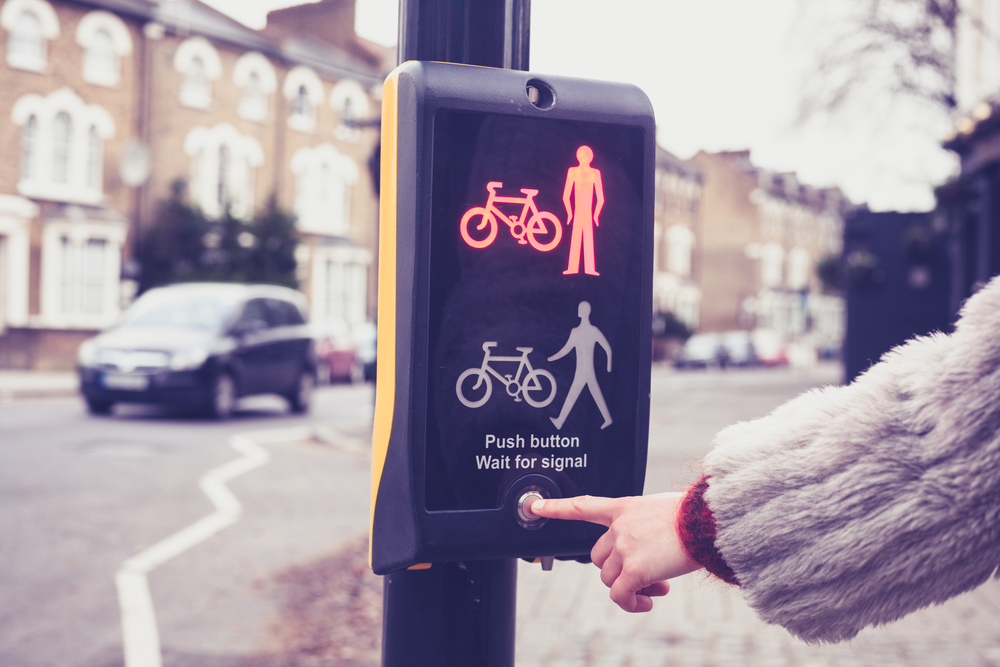
Different Road Crossings
When it comes to road safety, road crossings play a crucial role in ensuring the safety of pedestrians and motorists alike. Different types of road crossings are designed to facilitate the smooth flow of traffic while providing a safe passage for pedestrians. Let’s explore some common types of road crossings:
Zebra Crossing
The zebra crossing is one of the most recognisable types of road crossings. It is characterised by black and white stripes painted on the road surface. Pedestrians have the right of way on a zebra crossing, and motorists are required to stop and give way.
Pelican Crossing
A pelican crossing is equipped with traffic lights and pedestrian signals. Pedestrians can activate the crossing by pressing a button, which stops the traffic with red lights and allows them to cross safely when the green man signal appears.
Toucan Crossing
Similar to a pelican crossing, a toucan crossing allows both pedestrians and cyclists to cross at the same time. This type of crossing is wider than traditional pedestrian crossings to accommodate cyclists.
Puffin Crossing
A puffin crossing is an advanced version of a pelican crossing that uses sensors to detect pedestrians waiting at the crossing. The pedestrian signals are located on the same side as the pedestrian, making it more convenient and safer.
Pedestrian Refuge Island
A pedestrian refuge island is not a traditional road crossing but provides a safe haven for pedestrians midway across a wide or busy road. Pedestrians can use the refuge island to pause safely before continuing their journey.
Each type of road crossing serves its unique purpose in enhancing road safety and promoting efficient traffic flow. By understanding these different crossings, both pedestrians and motorists can contribute to creating safer roads for everyone.
Understanding Road Crossings: FAQs on Zebra, Pelican, Puffin, and More
- What is a zebra crossing and how does it work?
- How do pelican crossings differ from puffin crossings?
- Are toucan crossings only for pedestrians and cyclists?
- What should drivers do when approaching a pedestrian refuge island?
- Do all road crossings have traffic lights and pedestrian signals?
- Are there any specific rules for using different types of road crossings?
What is a zebra crossing and how does it work?
A zebra crossing is a type of road crossing marked by black and white stripes painted on the road surface. It is designed to provide a safe passage for pedestrians across a road. The distinctive markings of a zebra crossing signal to motorists that they must give way to pedestrians waiting or already crossing. Pedestrians have the right of way on a zebra crossing, and motorists are legally required to stop and allow them to cross safely. Zebra crossings are an essential feature of road safety infrastructure, helping to protect pedestrians and promote smoother traffic flow at designated crossing points.
How do pelican crossings differ from puffin crossings?
Pelican crossings and puffin crossings are two common types of pedestrian crossings, each with distinct features that set them apart. The main difference between the two lies in the way they operate. Pelican crossings are controlled by traffic lights and require pedestrians to press a button to activate the crossing. Once activated, the traffic lights change to red, stopping vehicles to allow pedestrians to cross safely. In contrast, puffin crossings use sensors to detect pedestrians waiting at the crossing, eliminating the need for a button press. Additionally, puffin crossings have pedestrian signals located on the same side as the pedestrian, making it more convenient and safer for pedestrians to cross. Understanding these differences can help road users navigate different types of crossings effectively and contribute to road safety for all.
Are toucan crossings only for pedestrians and cyclists?
Toucan crossings are designed to accommodate both pedestrians and cyclists, making them unique among road crossings. Unlike traditional crossings that separate pedestrians and cyclists, toucan crossings allow both groups to cross together. This design promotes safer interaction between pedestrians and cyclists, reducing the chances of conflicts on the road. By providing a dedicated space for cyclists to cross alongside pedestrians, toucan crossings encourage sustainable modes of transportation while ensuring the safety of all road users.
What should drivers do when approaching a pedestrian refuge island?
When approaching a pedestrian refuge island, drivers should exercise caution and be prepared to yield to pedestrians who are crossing or waiting to cross the road. Drivers must slow down and be ready to stop if necessary to allow pedestrians to safely reach the refuge island or continue their journey across the road. It is important for drivers to be vigilant and aware of their surroundings, as pedestrian refuge islands are designed to provide a safe space for pedestrians to pause during their crossing. Respecting the rights of pedestrians on and around refuge islands is essential for ensuring the safety of all road users.
Do all road crossings have traffic lights and pedestrian signals?
Not all road crossings have traffic lights and pedestrian signals. While some crossings, such as pelican and puffin crossings, are equipped with traffic lights and pedestrian signals to regulate the flow of traffic and ensure pedestrian safety, there are also simpler types of crossings like zebra crossings that rely on road markings alone. These crossings operate on the principle of giving pedestrians the right of way based on the presence of designated markings on the road surface. The choice of crossing type depends on factors such as traffic volume, pedestrian activity, and the need for additional safety measures at specific locations.
Are there any specific rules for using different types of road crossings?
Navigating different types of road crossings requires an understanding of the specific rules and regulations that apply to each crossing. For example, at a zebra crossing, motorists are required by law to stop and give way to pedestrians waiting to cross. Pelican crossings operate with traffic lights, and pedestrians must wait for the green man signal before crossing. Toucan crossings allow both pedestrians and cyclists to cross simultaneously, while puffin crossings use sensors to detect pedestrians and adjust the signal timing accordingly. Familiarising oneself with the rules governing each type of road crossing is essential for ensuring the safety of all road users and promoting efficient traffic flow.