
Navigating Safely: The Importance of Dead End Road Signs in the UK
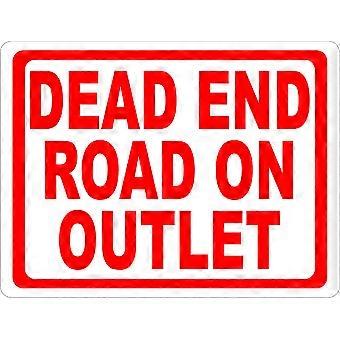
The Importance of Dead End Road Signs
Dead end road signs are a crucial component of road safety and traffic management. These signs are designed to alert drivers that the road they are travelling on does not continue beyond a certain point and that they must turn around or find an alternative route. Here are some key reasons why dead end road signs play a vital role in ensuring safe and efficient traffic flow:
Preventing Accidents
Dead end road signs help prevent accidents by informing drivers in advance that the road is about to end. This gives motorists time to slow down, signal their intentions, and safely turn around without unexpected surprises.
Efficient Traffic Flow
By clearly marking dead ends, these signs help maintain efficient traffic flow by preventing drivers from reaching a dead end and causing congestion as they try to turn around in limited space. This can reduce delays and frustration for all road users.
Navigation Aid
Dead end road signs also serve as a navigation aid for drivers, especially those who are unfamiliar with the area. Knowing that a road is a dead end allows drivers to plan their route accordingly and avoid unnecessary detours.
Legal Compliance
In many jurisdictions, it is a legal requirement to have proper signage indicating dead ends on roads. Failing to display these signs can result in fines or penalties for property owners or authorities responsible for maintaining the roads.
Maintaining Order
Dead end road signs contribute to maintaining order on the roads by guiding drivers towards safe routes and preventing them from entering potentially hazardous areas. This helps create a safer environment for all road users.
In conclusion, dead end road signs play a crucial role in enhancing road safety, improving traffic flow, aiding navigation, ensuring legal compliance, and maintaining order on our roads. It is essential for authorities and property owners to install and maintain these signs effectively to promote safe and efficient transportation networks.
Five Key Benefits of Dead End Road Signs for Safety and Traffic Management
- Prevent accidents by alerting drivers of road endings
- Maintain efficient traffic flow by avoiding congestion at dead ends
- Serve as a navigation aid for drivers unfamiliar with the area
- Ensure legal compliance with signage requirements on roads
- Contribute to maintaining order and safety on the roads
Challenges and Concerns Associated with Dead End Road Signs
- May cause confusion for drivers unfamiliar with the area.
- Drivers may ignore or overlook dead end road signs, leading to accidents.
- Signs can be vandalised or obscured, reducing their effectiveness.
- Overuse of dead end road signs can clutter the roadside and distract drivers.
- In some cases, outdated or incorrect signage may mislead drivers into dead-end routes.
- Maintenance of dead end road signs can be costly and time-consuming for authorities.
Prevent accidents by alerting drivers of road endings
One significant advantage of dead end road signs is their ability to prevent accidents by alerting drivers of road endings. These signs provide crucial advance warning to motorists, allowing them to adjust their speed, signal their intentions, and safely navigate the road’s conclusion. By clearly indicating that the road ahead does not continue, dead end road signs help drivers avoid sudden stops or dangerous manoeuvres, ultimately reducing the risk of collisions and ensuring a safer driving experience for all road users.
Maintain efficient traffic flow by avoiding congestion at dead ends
Dead end road signs play a vital role in maintaining efficient traffic flow by preventing congestion at dead ends. By clearly indicating that a road does not continue beyond a certain point, these signs help drivers avoid reaching dead ends unawares and causing unnecessary traffic jams as they try to turn around. This proactive approach to guiding motorists away from dead ends contributes to smoother traffic movement, reduces delays, and enhances overall road safety and efficiency.
Serve as a navigation aid for drivers unfamiliar with the area
Dead end road signs serve as a valuable navigation aid for drivers who are unfamiliar with the area. By clearly indicating that a road does not continue beyond a certain point, these signs help drivers plan their routes more effectively and avoid unnecessary detours. This proactive guidance ensures that drivers can make informed decisions about their journey, reducing the likelihood of getting lost or taking wrong turns. Ultimately, dead end road signs contribute to a smoother and more efficient driving experience for all road users, particularly those exploring new or unfamiliar locations.
Ensure legal compliance with signage requirements on roads
One important benefit of dead end road signs is that they ensure legal compliance with signage requirements on roads. In many jurisdictions, it is a mandatory regulation to have proper signage indicating dead ends on roads. By displaying these signs appropriately, property owners and authorities responsible for road maintenance adhere to the law, avoiding potential fines or penalties. This proactive approach not only promotes road safety but also demonstrates a commitment to upholding legal standards in traffic management, contributing to a more orderly and compliant road network for all users.
Contribute to maintaining order and safety on the roads
Dead end road signs play a significant role in contributing to maintaining order and safety on the roads. By clearly indicating the end of a road, these signs help prevent confusion and potential chaos for drivers. They guide motorists towards safe routes and prevent them from entering hazardous areas or dead-end streets inadvertently. This proactive approach to traffic management enhances overall road safety by reducing the risk of accidents, congestion, and conflicts among road users. Dead end road signs effectively promote a sense of orderliness and predictability on our roads, ultimately creating a safer environment for everyone.
May cause confusion for drivers unfamiliar with the area.
One potential downside of dead end road signs is that they may cause confusion for drivers who are unfamiliar with the area. In some cases, drivers may misinterpret the sign and believe that the road ahead is closed or impassable, leading to unnecessary detours or delays. This confusion can result in frustration and inconvenience for motorists trying to navigate through unfamiliar roads, highlighting the importance of clear and unambiguous signage to guide drivers effectively.
Drivers may ignore or overlook dead end road signs, leading to accidents.
One significant drawback of dead end road signs is that drivers may ignore or overlook them, potentially leading to accidents. Despite the clear indication that the road does not continue beyond a certain point, some motorists may fail to heed the warning and proceed, only realising their mistake when it is too late. This disregard for dead end road signs can result in dangerous situations, collisions, or drivers getting stuck in tight spaces as they attempt to turn around. It underscores the importance of driver awareness and adherence to road signage for ensuring overall road safety.
Signs can be vandalised or obscured, reducing their effectiveness.
One significant drawback of dead end road signs is that they are susceptible to vandalism or being obscured, which can diminish their effectiveness in alerting drivers to the presence of a dead end. Deliberate acts of vandalism, such as graffiti or physical damage to the signs, can make them difficult to read or understand, leading to confusion among motorists. Additionally, natural elements like overgrown vegetation or debris accumulation can obscure the visibility of these signs, making it challenging for drivers to notice and respond appropriately. Addressing these issues promptly through regular maintenance and monitoring is essential to ensure that dead end road signs remain clear and visible for the safety of all road users.
Overuse of dead end road signs can clutter the roadside and distract drivers.
The overuse of dead end road signs can lead to clutter along the roadside, potentially distracting drivers and diminishing the effectiveness of important traffic signage. When too many dead end signs are placed in close proximity, drivers may become overwhelmed by the visual information, causing confusion and reducing their ability to focus on critical road markings and directions. This clutter can create a chaotic visual environment that hampers driver awareness and increases the risk of accidents. Therefore, it is essential for authorities to carefully consider the placement and quantity of dead end road signs to maintain a clear and unobtrusive roadside environment for safe navigation.
In some cases, outdated or incorrect signage may mislead drivers into dead-end routes.
In some cases, a significant con of dead end road signs is that outdated or incorrect signage can mislead drivers into dead-end routes. When road signs are not properly maintained or updated to reflect changes in road layouts or construction, drivers may inadvertently follow directions that lead them to dead ends. This can cause confusion, frustration, and potential safety hazards as drivers are forced to turn around in inconvenient or unfamiliar locations. It highlights the importance of regular inspections and timely updates to ensure that road signage remains accurate and reliable for all road users.
Maintenance of dead end road signs can be costly and time-consuming for authorities.
The maintenance of dead end road signs can pose a significant challenge for authorities due to the costs and time involved in ensuring their proper upkeep. Regular inspections, repairs, and replacements are necessary to ensure that the signs remain visible, legible, and compliant with regulations. The financial burden of maintaining a large network of dead end road signs can strain the resources of local authorities, especially in cases where signs are frequently damaged or vandalised. Additionally, coordinating maintenance schedules and responding promptly to issues can be time-consuming tasks that require dedicated efforts from relevant departments within the authority. Balancing the need for effective signage with budget constraints and resource allocation remains a key consideration for authorities managing dead end road signs.