
Enhancing Road Safety: The Importance of Crossing Traffic Lights
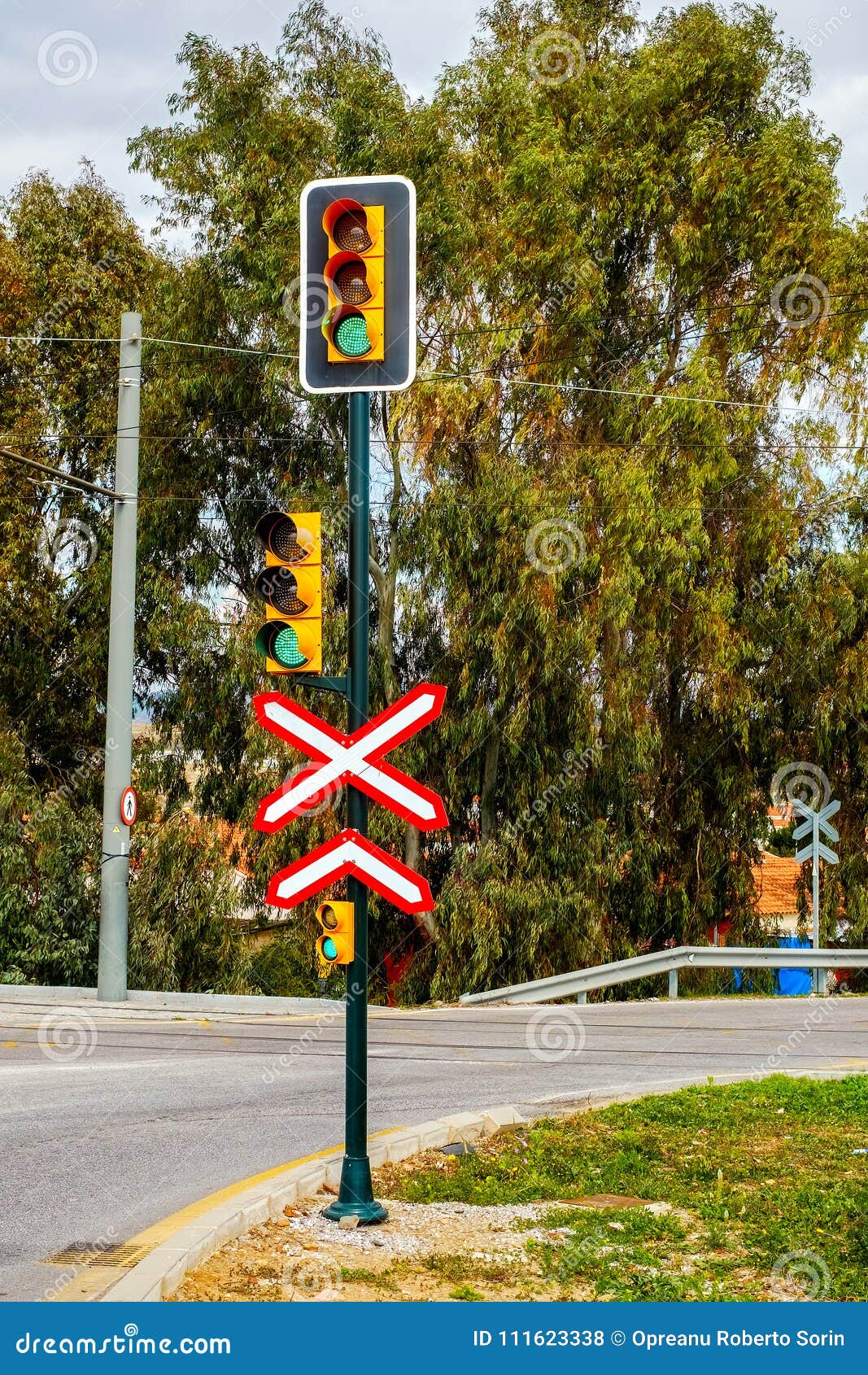
Crossing Traffic Lights: Ensuring Safety on the Roads
Traffic lights are a crucial part of road infrastructure that help regulate the flow of vehicles and pedestrians at intersections. Among the various types of traffic lights, crossing traffic lights play a significant role in ensuring safety for pedestrians crossing busy roads.
How Crossing Traffic Lights Work
Crossing traffic lights are typically installed at pedestrian crossings to indicate when it is safe for pedestrians to cross the road. These lights consist of signals that change colour to control the movement of both vehicles and pedestrians.
When the pedestrian signal displays a green walking person symbol, it indicates that pedestrians can safely cross the road. This is usually accompanied by a red light for vehicles, signalling them to stop and give way to pedestrians.
Conversely, when the pedestrian signal shows a red hand symbol, it means that pedestrians should not start crossing or should finish crossing if already in progress. At this time, vehicles receive a green light to proceed through the intersection.
The Importance of Crossing Traffic Lights
Crossing traffic lights play a crucial role in enhancing pedestrian safety on busy roads. They provide clear instructions to both pedestrians and drivers, reducing the risk of accidents and promoting orderly traffic flow.
By controlling when pedestrians can cross and when vehicles must yield, crossing traffic lights help prevent conflicts between different road users. This is especially important in urban areas with high volumes of foot traffic and vehicle congestion.
Tips for Pedestrians
- Always wait for the pedestrian signal to show the green walking person symbol before crossing the road.
- Avoid crossing against a red hand signal, as this can put you at risk of being struck by moving vehicles.
- Stay alert and look both ways before stepping onto the road, even when you have the right of way.
- Use designated pedestrian crossings whenever possible to ensure your safety.
Eight Benefits of Crossing Traffic Lights for Pedestrian and Vehicle Safety
- Enhances pedestrian safety at intersections
- Reduces the risk of accidents involving pedestrians and vehicles
- Promotes orderly traffic flow by controlling pedestrian crossings
- Clear instructions help pedestrians and drivers navigate intersections safely
- Prevents conflicts between pedestrians and vehicles
- Improves road safety in urban areas with high foot traffic
- Increases visibility of crossing points for pedestrians and drivers
- Encourages compliance with traffic regulations for both pedestrians and drivers
The Hidden Drawbacks of Crossing Traffic Lights for Pedestrians
- Pedestrians may become impatient waiting for the signal to change, leading to jaywalking.
- Some pedestrians may ignore or disregard the traffic lights, putting themselves at risk.
- Traffic lights can cause delays for pedestrians who need to cross quickly.
- Malfunctioning traffic lights can create confusion and potential hazards for both pedestrians and drivers.
- Pedestrians with visual impairments may struggle to interpret or see the signals at crossing traffic lights.
- In busy urban areas, crossing traffic lights may not provide enough time for pedestrians to cross safely before the light changes.
- Crossing traffic lights do not guarantee complete safety and vigilance is still required from both pedestrians and drivers.
Enhances pedestrian safety at intersections
Crossing traffic lights play a vital role in enhancing pedestrian safety at intersections. By providing clear signals and designated crossing times, these traffic lights help reduce the risk of accidents involving pedestrians and vehicles. The controlled flow of traffic ensures that pedestrians have a safe window to cross the road without conflicting with oncoming vehicles. This proactive measure not only promotes pedestrian safety but also contributes to the overall efficiency and orderliness of urban road systems.
Reduces the risk of accidents involving pedestrians and vehicles
Crossing traffic lights play a crucial role in reducing the risk of accidents involving pedestrians and vehicles. By clearly indicating when pedestrians can safely cross the road and when vehicles must yield, these traffic lights help prevent dangerous conflicts at intersections. This proactive approach to traffic management enhances overall road safety by promoting awareness and adherence to designated crossing times, ultimately minimising the likelihood of collisions between pedestrians and vehicles.
Promotes orderly traffic flow by controlling pedestrian crossings
Crossing traffic lights play a vital role in promoting orderly traffic flow by effectively controlling pedestrian crossings. By regulating when pedestrians can safely cross the road, these traffic lights help prevent conflicts between pedestrians and vehicles, ultimately reducing congestion and ensuring smoother traffic movement. This proactive approach not only enhances road safety for all road users but also contributes to a more efficient and organised flow of traffic at intersections.
Clear instructions help pedestrians and drivers navigate intersections safely
Clear instructions provided by crossing traffic lights play a crucial role in helping pedestrians and drivers navigate intersections safely. By clearly indicating when it is safe for pedestrians to cross and when vehicles should yield, these traffic lights reduce confusion and promote orderly traffic flow. Pedestrians can make informed decisions about crossing the road, while drivers receive clear signals on when to stop or proceed, ultimately enhancing safety for all road users at busy junctions.
Prevents conflicts between pedestrians and vehicles
Crossing traffic lights serve as a crucial safety measure by effectively preventing conflicts between pedestrians and vehicles at intersections. By clearly indicating when pedestrians have the right of way to cross the road and when vehicles must come to a stop, these traffic lights help establish order and predictability on the roads. This proactive approach reduces the likelihood of accidents and improves overall road safety by ensuring that both pedestrians and drivers understand their respective roles in sharing the road space responsibly.
Improves road safety in urban areas with high foot traffic
Crossing traffic lights significantly enhance road safety in urban areas with high foot traffic by providing clear guidance to pedestrians and drivers. These traffic lights help regulate the flow of both pedestrians and vehicles, reducing the likelihood of accidents and improving overall road safety. By controlling when pedestrians can safely cross busy roads, crossing traffic lights minimise conflicts between different road users, creating a safer environment for all. Their presence is especially crucial in densely populated urban areas where foot traffic is heavy, ensuring that pedestrians can navigate intersections safely and efficiently.
Increases visibility of crossing points for pedestrians and drivers
Crossing traffic lights offer the significant benefit of enhancing the visibility of crossing points for both pedestrians and drivers. By clearly indicating when it is safe to cross the road, these traffic lights help pedestrians identify designated crossing areas and alert drivers to the presence of pedestrians. This increased visibility reduces the likelihood of accidents at intersections, improving overall safety for all road users.
Encourages compliance with traffic regulations for both pedestrians and drivers
Crossing traffic lights serve as a vital tool in promoting compliance with traffic regulations for both pedestrians and drivers. By clearly indicating when pedestrians can safely cross and when vehicles must yield, these traffic lights help reinforce the importance of following road rules and signals. Pedestrians are encouraged to wait for the green walking person symbol before crossing, while drivers are reminded to stop at red lights to allow pedestrians to cross safely. This mutual reinforcement of compliance fosters a culture of respect for traffic laws among all road users, ultimately contributing to safer and more orderly road environments.
Pedestrians may become impatient waiting for the signal to change, leading to jaywalking.
Pedestrians may become impatient while waiting for the signal to change at crossing traffic lights, which can potentially lead to jaywalking. The frustration of waiting for an extended period or multiple cycles of the signal may tempt pedestrians to disregard the traffic lights and cross the road when it is not safe to do so. Jaywalking poses a significant risk to pedestrian safety as it increases the likelihood of accidents with vehicles that have the right of way. It is essential for pedestrians to exercise patience and adhere to traffic signals to ensure their safety and that of others on the road.
Some pedestrians may ignore or disregard the traffic lights, putting themselves at risk.
Some pedestrians may choose to ignore or disregard the signals provided by crossing traffic lights, putting themselves at risk of accidents and endangering their safety. By not following the designated signals indicating when it is safe to cross the road, these individuals increase the likelihood of being struck by vehicles or getting involved in traffic incidents. Ignoring traffic lights not only puts the pedestrians themselves in danger but also disrupts the flow of traffic and creates potential hazards for other road users. It is essential for pedestrians to adhere to the guidance provided by crossing traffic lights to ensure their own safety and contribute to overall road safety.
Traffic lights can cause delays for pedestrians who need to cross quickly.
Traffic lights can pose a significant drawback for pedestrians who require swift crossing times. The predetermined signal cycles at traffic lights may result in delays for pedestrians needing to cross promptly, especially in situations where time is of the essence. This delay can be frustrating and inconvenient, particularly for individuals with mobility challenges or urgent needs to reach their destination. The rigid timing of traffic lights can sometimes hinder the efficient movement of pedestrians, highlighting a con of the system that aims to regulate road safety and traffic flow.
Malfunctioning traffic lights can create confusion and potential hazards for both pedestrians and drivers.
Malfunctioning traffic lights can create confusion and potential hazards for both pedestrians and drivers. When traffic lights fail to function correctly, it can lead to uncertainty about the right of way, causing pedestrians to hesitate or attempt to cross when it may not be safe to do so. This can result in dangerous situations where pedestrians are at risk of being struck by vehicles or where drivers may not anticipate pedestrian movements. The lack of clear guidance from malfunctioning traffic lights can disrupt the flow of traffic, leading to congestion and increased likelihood of accidents at intersections. It is essential for authorities to promptly address any issues with malfunctioning traffic lights to maintain road safety for all road users.
Pedestrians with visual impairments may struggle to interpret or see the signals at crossing traffic lights.
Pedestrians with visual impairments face challenges when interpreting or seeing the signals at crossing traffic lights, posing a significant con to their safety and mobility. The reliance on visual cues such as changing lights and symbols can be inaccessible to those with visual limitations, making it difficult for them to determine the appropriate time to cross the road safely. This lack of clarity can increase the risk of accidents and create barriers for individuals with visual impairments in navigating urban environments independently. Additional measures, such as audible signals or tactile indicators, are essential to enhance accessibility and ensure that all pedestrians can cross roads safely.
In busy urban areas, crossing traffic lights may not provide enough time for pedestrians to cross safely before the light changes.
In busy urban areas, one significant con of crossing traffic lights is that they may not offer pedestrians an adequate amount of time to cross safely before the signal changes. The fast-paced nature of city life and the high volume of vehicle traffic can result in pedestrian signals having short intervals for crossing, leaving pedestrians feeling rushed or stranded midway through the crossing. This issue can pose a safety concern, especially for elderly individuals, children, or those with reduced mobility, who may require more time to navigate the intersection safely. Insufficient crossing time can lead to increased stress and potential conflicts between pedestrians and vehicles, highlighting the need for careful consideration of pedestrian timings in urban traffic light systems.
Crossing traffic lights do not guarantee complete safety and vigilance is still required from both pedestrians and drivers.
Crossing traffic lights, while essential for regulating pedestrian and vehicle flow at intersections, do not provide foolproof safety. Despite the presence of traffic lights, both pedestrians and drivers must remain vigilant and exercise caution when crossing roads. It is crucial for pedestrians to always be aware of their surroundings, look out for approaching vehicles, and only cross when it is safe to do so. Similarly, drivers must adhere to traffic signals, be prepared to stop at pedestrian crossings, and watch out for pedestrians who may not always follow the designated signals. Ultimately, while crossing traffic lights help manage road interactions, staying alert and practising road safety are key responsibilities for all road users to ensure a safe crossing experience.