
Safely Crossing the Road: Essential Tips for Pedestrians
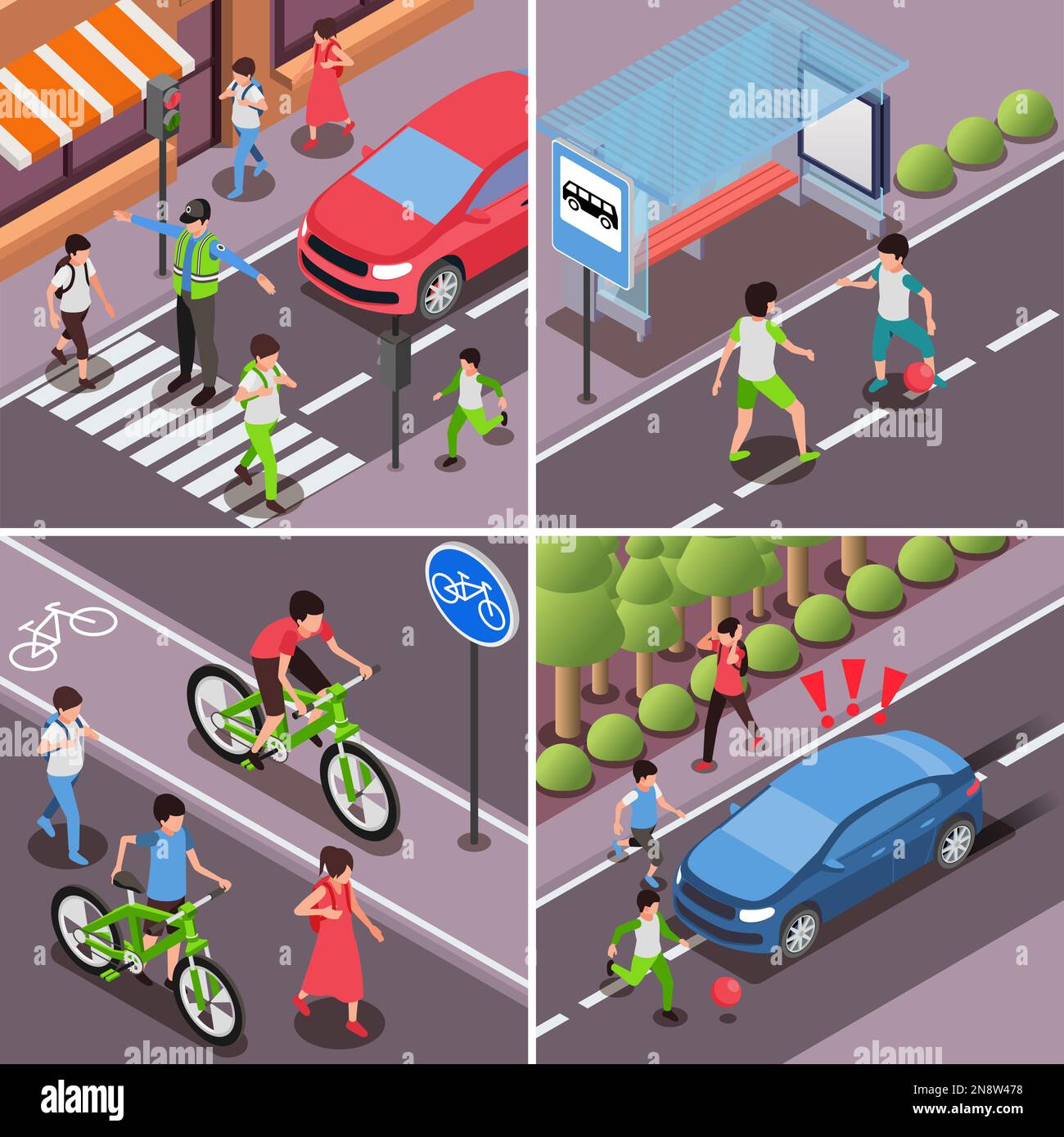
Crossing the Road Safely
With the hustle and bustle of today’s busy streets, crossing the road safely is a crucial skill that everyone should master. Whether you are a pedestrian, cyclist, or driver, understanding and following road safety rules can prevent accidents and save lives.
Top Tips for Crossing the Road Safely:
- Use designated crossings: Whenever possible, use zebra crossings, pedestrian crossings, or traffic lights to cross the road. These designated areas are designed to ensure your safety.
- Stop, look, and listen: Before crossing any road, stop at the kerb, look both ways for oncoming vehicles, and listen for any approaching traffic. Make sure it is safe to cross before stepping onto the road.
- Avoid distractions: Put away your phone or any other distractions when crossing the road. Stay focused on your surroundings to react quickly to any potential dangers.
- Follow traffic signals: Obey traffic signals and wait for the green light or walk signal before crossing. Do not attempt to cross when the signal is red or flashing.
- Maintain visibility: Make yourself visible to drivers by wearing bright or reflective clothing, especially in low-light conditions. Eye contact with drivers can also help ensure they have seen you before crossing.
- Cross at safe locations: Avoid crossing roads near bends, junctions, or parked vehicles where visibility may be limited for drivers. Choose well-lit areas with good visibility when crossing at night.
Crossing the road safely is a shared responsibility between pedestrians and drivers. By following these simple tips and being aware of your surroundings, you can contribute to creating safer streets for everyone.
9 Benefits of Safe Road Crossing: Enhancing Safety and Community Well-being
- Reduces the risk of accidents
- Increases pedestrian safety
- Promotes road awareness
- Prevents injuries and fatalities
- Sets a good example for others
- Improves traffic flow
- Enhances road user experience
- Builds trust between pedestrians and drivers
- Contributes to a safer community
Challenges in Ensuring Safe Road Crossings: Time, Restrictions, Accessibility, and Distractions
- Crossing the road safely may take longer, especially when waiting for traffic lights or pedestrian crossings.
- Pedestrians may feel restricted by designated crossing points and prefer to jaywalk, risking their safety.
- Following road safety rules for crossing can be challenging for children or individuals with cognitive impairments.
- In busy urban areas, distractions such as mobile phones or headphones can lead to pedestrians not paying attention to traffic while crossing.
Reduces the risk of accidents
Crossing the road safely significantly reduces the risk of accidents for pedestrians, cyclists, and drivers alike. By following proper road safety protocols, such as using designated crossings, stopping to look both ways, and obeying traffic signals, individuals can minimise the chances of being involved in a collision with a vehicle. This proactive approach not only protects personal safety but also contributes to overall road safety by preventing potential accidents and promoting a harmonious coexistence between road users.
Increases pedestrian safety
Crossing the road safely significantly enhances pedestrian safety by reducing the risk of accidents and potential injuries. When pedestrians follow road safety rules, such as using designated crossings, stopping to look both ways before crossing, and obeying traffic signals, they are less likely to be involved in collisions with vehicles. By increasing pedestrian safety through responsible road-crossing practices, individuals can enjoy a greater sense of security while navigating busy streets and contribute to creating a safer environment for all road users.
Promotes road awareness
Promoting road awareness is a significant benefit of crossing the road safely. By following proper road safety practices, individuals develop a heightened sense of their surroundings and become more attentive to traffic conditions. This increased awareness not only benefits the individual’s safety when crossing the road but also extends to their overall behaviour as road users. By instilling a culture of road awareness through safe crossing habits, individuals contribute to creating a safer environment for themselves and others on the roads.
Prevents injuries and fatalities
Crossing the road safely is paramount as it helps prevent injuries and fatalities. By following road safety rules and using designated crossings, pedestrians can significantly reduce the risk of accidents involving vehicles. Taking the time to stop, look, and listen before crossing ensures that individuals are aware of their surroundings and can make informed decisions to protect themselves from harm. Prioritising road safety not only safeguards personal well-being but also contributes to creating a safer environment for all road users.
Sets a good example for others
Crossing the road safely sets a positive example for others, especially children and young pedestrians who may be observing your actions. By demonstrating responsible road-crossing behaviour, you not only protect yourself but also influence those around you to follow suit. Setting a good example promotes a culture of road safety awareness and encourages others to adopt safe practices when navigating the streets, ultimately contributing to a safer environment for everyone.
Improves traffic flow
Crossing the road safely not only enhances pedestrian safety but also contributes to improving traffic flow. When pedestrians follow road safety rules and use designated crossings, it reduces the likelihood of unexpected stops or delays for drivers. By crossing at appropriate locations and obeying traffic signals, pedestrians help maintain a smooth flow of traffic, reducing congestion and promoting efficient movement on the roads. This mutual respect between pedestrians and drivers ultimately leads to a safer and more organised road environment for everyone.
Enhances road user experience
Crossing the road safely not only promotes individual safety but also enhances the overall road user experience. When pedestrians, cyclists, and drivers follow road safety rules and guidelines, it creates a harmonious environment on the roads. Clear and safe crossings lead to smoother traffic flow, reduce congestion, and minimise the risk of accidents or conflicts between road users. By prioritising safety and practising responsible road behaviour, everyone can enjoy a more pleasant and stress-free journey on the roads.
Builds trust between pedestrians and drivers
Building trust between pedestrians and drivers is a significant benefit of crossing the road safely. When pedestrians follow road safety rules and cross at designated crossings while being attentive to traffic signals, drivers are more likely to anticipate their actions and respond accordingly. This mutual respect and adherence to road safety guidelines foster a sense of trust between pedestrians and drivers, creating a safer and more harmonious environment on the roads. By establishing this trust, both pedestrians and drivers can coexist with greater confidence, reducing the risk of accidents and promoting smoother traffic flow.
Contributes to a safer community
Crossing the road safely not only protects individuals but also contributes to a safer community as a whole. When pedestrians, cyclists, and drivers follow road safety rules and practices, the risk of accidents and injuries decreases significantly. By prioritising safe crossing behaviours, such as using designated crossings, obeying traffic signals, and staying vigilant of their surroundings, individuals help create a culture of road safety within their community. This collective effort fosters a sense of responsibility and mutual respect among road users, ultimately leading to a more secure and harmonious environment for everyone.
Crossing the road safely may take longer, especially when waiting for traffic lights or pedestrian crossings.
Crossing the road safely may result in longer waiting times, particularly when obeying traffic lights or pedestrian crossings. While it can be frustrating to wait for the signal to change or for a safe gap in traffic to cross, prioritising safety over speed is essential for preventing accidents and ensuring the well-being of pedestrians. Taking the extra time to wait for the appropriate moment to cross can ultimately save lives and reduce the risk of collisions on the road.
Pedestrians may feel restricted by designated crossing points and prefer to jaywalk, risking their safety.
Pedestrians may feel restricted by designated crossing points and prefer to jaywalk, risking their safety. The convenience of crossing the road directly to their destination can sometimes tempt pedestrians to ignore designated crossings. However, jaywalking increases the likelihood of accidents as drivers may not anticipate pedestrians crossing outside designated areas. This behaviour not only puts the pedestrian at risk but also endangers other road users. While it may seem like a quicker option, prioritising safety by using designated crossings can ultimately prevent potentially dangerous situations and promote a safer road environment for everyone.
Following road safety rules for crossing can be challenging for children or individuals with cognitive impairments.
Navigating road safety rules for crossing can pose a significant challenge for children or individuals with cognitive impairments. Understanding and following the complexities of traffic signals, assessing oncoming vehicles, and making split-second decisions can be overwhelming for those who may struggle with processing information quickly or accurately. In such cases, additional support, supervision, and tailored road safety education are essential to help these vulnerable individuals navigate road crossings safely and confidently.
In busy urban areas, distractions such as mobile phones or headphones can lead to pedestrians not paying attention to traffic while crossing.
In busy urban areas, distractions like mobile phones and headphones pose a significant risk to pedestrian safety when crossing the road. With the prevalence of smartphones and portable music devices, pedestrians may become engrossed in their screens or tunes, leading to a lack of awareness of surrounding traffic. This diversion of attention can result in pedestrians failing to properly assess oncoming vehicles or traffic signals, increasing the likelihood of accidents or near misses. It is crucial for pedestrians to prioritise road safety over distractions and stay vigilant when navigating busy city streets to prevent potential hazards and ensure their well-being.