
Navigating Chapter 5: Understanding the Significance of Road Markings in the UK
Chapter 5: Road Markings
Road markings play a crucial role in guiding and regulating traffic flow on roads. They provide essential information to drivers, pedestrians, and cyclists, helping to ensure safety and efficiency on the road.
Types of Road Markings
There are various types of road markings used to convey different messages to road users:
- White Lines: White lines are used to separate lanes of traffic moving in the same direction. They also mark the edge of the carriageway and indicate where parking is permitted.
- Yellow Lines: Yellow lines are commonly used to indicate no parking or stopping zones, as well as loading restrictions.
- Zigzag Lines: Zigzag lines are often found near pedestrian crossings and indicate areas where parking or overtaking is prohibited.
- Chevron Markings: Chevron markings are used on sharp bends or curves to warn drivers of a change in direction.
- Cycle Lane Markings: Cycle lane markings designate lanes specifically for cyclists, helping to improve safety for cyclists on the road.
The Importance of Chapter 5 Road Markings
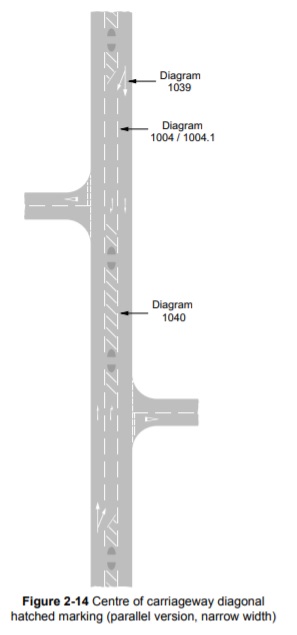
Chapter 5 road markings, as defined by the UK Department for Transport’s Traffic Signs Manual, set out guidelines for the design and use of road markings on public highways. These guidelines help ensure consistency and clarity in road markings across the country, making it easier for road users to understand and follow traffic regulations.
Maintaining Road Markings
Regular maintenance of road markings is essential to ensure their visibility and effectiveness. Faded or worn-out markings can lead to confusion among road users and compromise safety. It is important for local authorities and highway maintenance teams to monitor the condition of road markings and carry out timely repairs or reapplications when necessary.
In Conclusion
Road markings are a vital component of our road infrastructure, providing guidance, information, and safety for all road users. By understanding the different types of road markings and their significance, we can contribute to safer and more efficient journeys on our roads.
Understanding Chapter 5 Road Markings: Essential Tips for Navigating UK Roads
- Double white lines
- Broken white lines
- Single yellow line
- Double yellow lines
- Red route markings
- Box junctions
- Zigzag lines by pedestrian crossings
- Yellow box markings at intersections prevent blocking traffic flow; only enter when exit is clear.
- Coloured cycle lanes indicate areas for cyclists; do not obstruct them.
Double white lines
Double white lines on the road indicate a no overtaking restriction. When you see double solid white lines, it means you are not allowed to overtake other vehicles. These markings are put in place to enhance safety by preventing risky overtaking manoeuvres, particularly in areas where visibility is limited or road conditions are hazardous. It is important for drivers to adhere to these road markings to ensure the safety of all road users and maintain smooth traffic flow.
Broken white lines
Broken white lines are a common road marking used to separate lanes of traffic moving in the same direction. These lines consist of short, intermittent segments that allow for lane changes and overtaking when safe to do so. Drivers are permitted to cross over broken white lines to change lanes, but they must exercise caution and ensure it is safe before doing so. Broken white lines help maintain a smooth flow of traffic and enhance road safety by providing clear guidance to drivers on lane usage.
Single yellow line
In Chapter 5 of road markings guidance, the single yellow line serves as a significant indicator of parking restrictions along roads. A single yellow line typically denotes specific times during which parking is prohibited, requiring drivers to adhere to the designated restrictions. Understanding and obeying the regulations associated with single yellow lines are essential for maintaining traffic flow and ensuring road safety for all users.
Double yellow lines
Double yellow lines are a common sight on UK roads and serve as a clear indication of no waiting at any time. These markings are used to prevent vehicles from parking or stopping along the roadside, helping to maintain traffic flow and road safety. It is important for drivers to adhere to double yellow lines to avoid congestion and ensure compliance with traffic regulations.
Red route markings
Red route markings are a key feature in Chapter 5 road markings, serving as a clear indication of restricted stopping or waiting zones along busy urban roads. These distinctive red lines help to maintain traffic flow by preventing vehicles from parking or lingering in designated areas, ensuring that these crucial routes remain clear for smooth movement of traffic. Compliance with red route markings is essential for minimising congestion and enhancing safety on high-traffic city streets.
Box junctions
Box junctions are a specific type of road marking found at intersections where traffic is expected to be heavy. The purpose of box junctions is to prevent gridlock by ensuring that vehicles do not enter the junction unless their exit is clear. This helps maintain the flow of traffic and reduces congestion at busy junctions. Understanding the rules and regulations governing box junctions is essential for all road users to ensure safe and efficient traffic movement at these critical points on the road network.
Zigzag lines by pedestrian crossings
Zigzag lines are a crucial road marking found near pedestrian crossings, serving as a clear warning to drivers that they must not park or overtake in this designated area. These distinctive markings are designed to enhance the safety of pedestrians crossing the road by ensuring visibility and preventing obstruction by parked vehicles. Adhering to the rule of not stopping or overtaking on zigzag lines is essential for maintaining a safe environment for pedestrians and promoting smoother traffic flow around crossing points.
Yellow box markings at intersections prevent blocking traffic flow; only enter when exit is clear.
Yellow box markings at intersections serve an important role in maintaining the smooth flow of traffic by preventing vehicles from blocking the junction. It is crucial for drivers to adhere to this rule and only enter the yellow box when they are certain that their exit is clear. By following this simple guideline, drivers can contribute to reducing congestion and ensuring a safer and more efficient traffic flow at intersections.
Coloured cycle lanes indicate areas for cyclists; do not obstruct them.
Coloured cycle lanes are important road markings that designate specific areas for cyclists, enhancing their safety and visibility on the road. It is crucial for all road users to respect these designated lanes and avoid obstructing them, allowing cyclists to travel smoothly and securely. By adhering to this tip on chapter 5 road markings and being mindful of cyclists’ space, we can promote a harmonious coexistence between different modes of transportation and contribute to a safer road environment for everyone.