
Enhancing Road Safety with Dragon’s Teeth Road Markings in the UK
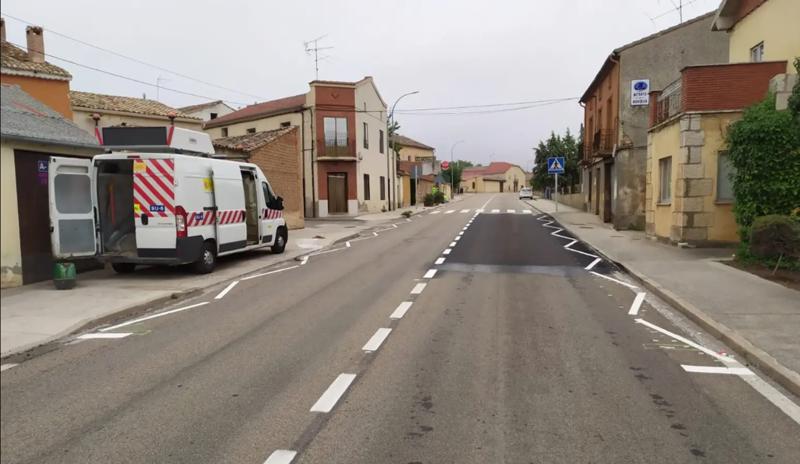
The Significance of Dragon’s Teeth Road Markings
Dragon’s teeth road markings, also known as shark teeth or zig-zag lines, are a common sight on roads and junctions across the United Kingdom. These distinctive road markings serve a crucial role in enhancing road safety and traffic management.
What are Dragon’s Teeth Road Markings?
Dragon’s teeth road markings consist of a series of triangular or trapezoidal shapes painted on the road surface. These markings are typically white in colour and are arranged in a staggered pattern resembling the teeth of a dragon, hence the name.
The Purpose of Dragon’s Teeth Markings
The primary purpose of dragon’s teeth road markings is to alert drivers to potential hazards or changes in road conditions. These markings are commonly used at junctions, pedestrian crossings, and areas where vehicles need to give way to oncoming traffic.
By incorporating dragon’s teeth markings, road authorities aim to improve visibility and provide clear guidance to drivers on right-of-way rules. The alternating pattern of these markings helps indicate which direction has priority and serves as a visual cue for motorists to proceed with caution.
Enhancing Road Safety
Dragon’s teeth road markings play a crucial role in enhancing road safety by reducing the risk of collisions and improving traffic flow. By clearly delineating areas where drivers need to yield or stop, these markings help prevent confusion and promote smoother interactions between vehicles.
In addition to their practical function, dragon’s teeth road markings also serve as a visual reminder for motorists to exercise caution and be mindful of other road users. Their striking appearance helps draw attention to critical points on the road and encourages responsible driving behaviour.
Conclusion
In conclusion, dragon’s teeth road markings are an essential component of effective traffic management systems in the UK. By providing clear guidance and promoting adherence to traffic regulations, these distinctive markings contribute significantly to improving road safety for all users.
Understanding Dragon’s Teeth Road Markings: Common Questions and Their Meanings
- What do dragons teeth on the road mean?
- What are dragon teeth barriers?
- What are dragon’s teeth bollards?
- What do triangles painted on the road mean?
- What is the dragons teeth Russian?
- How to tell if a road is 30 or 40?
- What is the dragon teeth strategy?
What do dragons teeth on the road mean?
Dragon’s teeth on the road, commonly known as dragon’s teeth road markings, serve as a visual indication to drivers about potential hazards or changes in road conditions. These distinctive triangular or trapezoidal markings arranged in a staggered pattern are designed to alert motorists to areas where they need to yield or give way to oncoming traffic. Essentially, dragon’s teeth markings signify points on the road where drivers must exercise caution, follow right-of-way rules, and be prepared to stop if necessary. By understanding the significance of these markings, drivers can navigate roads safely and contribute to smoother traffic flow at junctions and pedestrian crossings.
What are dragon teeth barriers?
Dragon teeth barriers, often referred to as anti-tank obstacles, are defensive structures used to impede or block the movement of military vehicles, particularly tanks. These barriers derive their name from their resemblance to the teeth of a dragon when viewed from above. Typically made of concrete or metal, dragon teeth barriers are strategically placed in rows or clusters to create obstacles that are difficult for vehicles to navigate through. These barriers have been historically employed in military fortifications and defensive lines to hinder enemy advances and provide protection for key positions.
What are dragon’s teeth bollards?
Dragon’s teeth bollards are vertical posts or pillars that are designed to resemble the triangular or trapezoidal shapes of dragon’s teeth road markings. These bollards serve as a visual extension of the road markings, helping to reinforce traffic regulations and enhance safety for road users. By strategically placing dragon’s teeth bollards in conjunction with road markings, authorities can effectively delineate traffic lanes, pedestrian crossings, and other critical areas on the road, guiding drivers and pedestrians alike. The distinctive design of dragon’s teeth bollards not only adds aesthetic appeal to the streetscape but also plays a practical role in improving visibility and promoting compliance with road rules.
What do triangles painted on the road mean?
When you see triangles painted on the road, often referred to as dragon’s teeth road markings, they serve as a visual indication for drivers to exercise caution and be prepared to yield or give way. These triangular markings are strategically placed at junctions, pedestrian crossings, and other areas where road conditions require motorists to be alert and mindful of oncoming traffic. The alternating pattern of triangles helps communicate right-of-way rules and prompts drivers to slow down and proceed carefully, enhancing safety on the roads for all road users.
What is the dragons teeth Russian?
The term “dragons teeth Russian” does not refer to a specific concept related to road markings or traffic regulations. It is possible that there may be confusion or a misunderstanding regarding the term. In the context of road markings, “dragons teeth” typically refers to a specific type of road marking pattern used to indicate priority or right-of-way at junctions or crossings. If there are any further questions or clarifications needed on this topic, please feel free to reach out for more information.
How to tell if a road is 30 or 40?
One frequently asked question regarding dragon’s teeth road markings is how to distinguish between a road indicating a speed limit of 30 mph and one indicating 40 mph. In the UK, roads with a speed limit of 30 mph typically feature white dragon’s teeth markings, while roads with a speed limit of 40 mph often use yellow dragon’s teeth markings. This colour differentiation helps drivers easily identify the speed restrictions in place and adjust their driving accordingly. By paying attention to the colour of the dragon’s teeth road markings, motorists can ensure they are adhering to the designated speed limits and promoting road safety.
What is the dragon teeth strategy?
The dragon teeth strategy, often associated with military tactics, refers to a defensive approach that involves creating obstacles or barriers to impede enemy movement and control strategic areas. In the context of road markings, the term “dragon teeth” may also be used to describe a specific road marking pattern designed to enhance traffic safety and regulate vehicle flow at junctions or intersections. By strategically positioning these markings in a staggered pattern resembling the teeth of a dragon, road authorities aim to guide drivers on right-of-way rules and improve overall road safety by clearly indicating priority areas.