
Exploring the Variety of Different Road Crossings
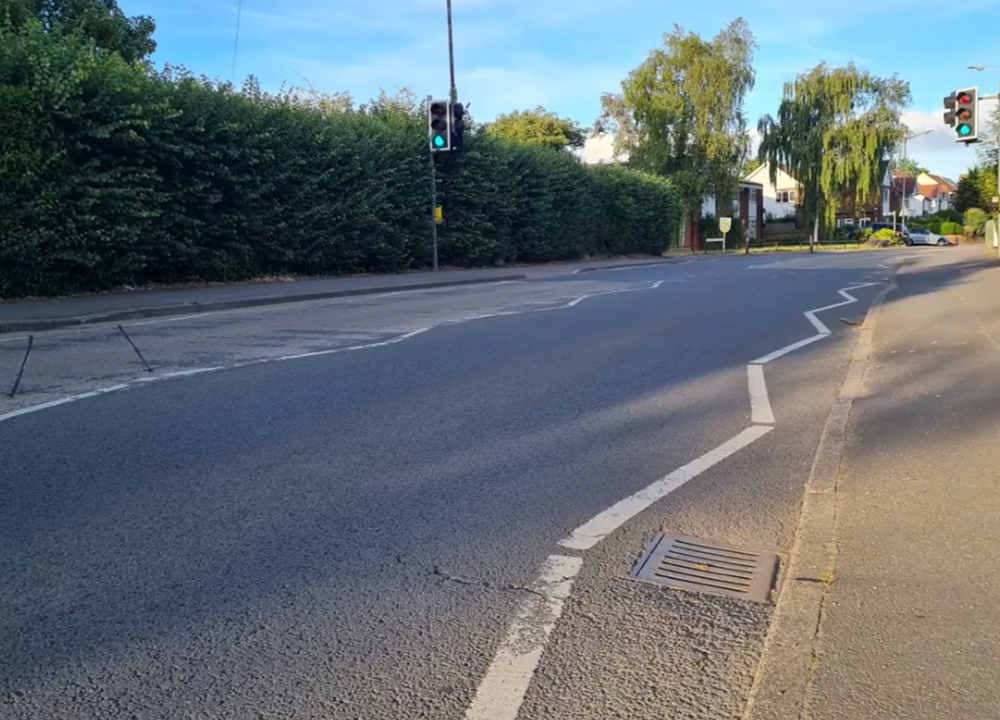
Different Types of Road Crossings
Road crossings play a crucial role in ensuring the safety of pedestrians and other road users. There are several types of road crossings designed to facilitate the movement of pedestrians across roads while managing traffic flow effectively. Let’s explore some common types of road crossings:
Zebra Crossing
A zebra crossing is easily recognisable by its distinctive black and white stripes painted on the road surface. This type of crossing gives priority to pedestrians, requiring vehicles to stop and give way when someone is crossing.
Pelican Crossing
A pelican crossing features traffic lights and pedestrian signals to control the flow of both vehicles and pedestrians. Pedestrians must wait for the green signal before crossing, while vehicles come to a stop when the red signal is displayed.
Toucan Crossing
Toucan crossings are designed for both pedestrians and cyclists, allowing them to cross together at the same time. This type of crossing is wider than traditional pedestrian crossings to accommodate cyclists safely.
Puffin Crossing
A puffin crossing is similar to a pelican crossing but includes sensors that detect when pedestrians are still crossing, adjusting the signal timings accordingly. This feature enhances safety by preventing premature signal changes.
Pedestrian Refuge Island
A pedestrian refuge island is a raised platform located in the middle of a road where pedestrians can stop safely halfway across. This type of crossing is particularly useful on wide or busy roads with heavy traffic.
Each type of road crossing serves a specific purpose in promoting pedestrian safety and efficient traffic management. It is essential for both drivers and pedestrians to understand how these crossings operate and adhere to their rules to ensure smooth and safe interactions on the road.
Understanding the Different Types of Road and Pedestrian Crossings in the UK: FAQs Answered
- What are the 6 types of pedestrian crossings?
- What are the 3 pedestrian crossings?
- How to remember pelican vs puffin crossing?
- What are the 4 types of road crossings?
- What are the 5 types of crossings in the UK?
- What are the 3 types of crossings?
- What is the difference between a pelican and a puffin crossing?
What are the 6 types of pedestrian crossings?
There are six main types of pedestrian crossings commonly found on roads. These include the zebra crossing, pelican crossing, toucan crossing, puffin crossing, pedestrian refuge island, and the controlled pedestrian crossing. Each type of crossing is designed with specific features to ensure the safety of pedestrians and facilitate their movement across roads while effectively managing traffic flow. Understanding the differences between these crossings is essential for both pedestrians and drivers to navigate roadways safely and responsibly.
What are the 3 pedestrian crossings?
There are three common types of pedestrian crossings that play a vital role in road safety and traffic management. The first type is the Zebra Crossing, easily identifiable by its black and white stripes, where pedestrians have the right of way once they step onto the crossing. The second type is the Pelican Crossing, equipped with traffic lights that control the flow of both vehicles and pedestrians, ensuring safe crossing. Lastly, the Toucan Crossing caters to pedestrians and cyclists simultaneously, allowing them to cross together at designated times. Understanding these different pedestrian crossings is essential for both pedestrians and drivers to navigate roads safely and efficiently.
How to remember pelican vs puffin crossing?
To distinguish between a pelican crossing and a puffin crossing, it can be helpful to remember that “pelican” has the letter “L” in it, just like the word “light.” Pelican crossings have traffic lights to control the flow of vehicles and pedestrians. On the other hand, puffin crossings are named after the bird that does not have a long neck like a pelican. Puffin crossings feature sensors that detect pedestrians still crossing and adjust signal timings accordingly for enhanced safety. Remembering these simple associations can help differentiate between pelican and puffin crossings on the road.
What are the 4 types of road crossings?
There are four main types of road crossings commonly used to facilitate safe pedestrian crossings and manage traffic flow effectively. These include zebra crossings, pelican crossings, toucan crossings, and puffin crossings. Zebra crossings feature black and white stripes on the road surface and give priority to pedestrians. Pelican crossings incorporate traffic lights and pedestrian signals to control the movement of both vehicles and pedestrians. Toucan crossings are designed for pedestrians and cyclists to cross together, while puffin crossings use sensors to detect pedestrians still crossing, adjusting signal timings accordingly. Understanding the differences between these types of road crossings is essential for both drivers and pedestrians to navigate roads safely and efficiently.
What are the 5 types of crossings in the UK?
In the UK, there are five main types of road crossings designed to ensure the safety of pedestrians and regulate traffic flow. These include zebra crossings, which feature black and white stripes and give priority to pedestrians; pelican crossings, equipped with traffic lights for controlled pedestrian crossing; toucan crossings, catering to both pedestrians and cyclists simultaneously; puffin crossings, similar to pelican crossings but with advanced sensors for improved safety; and pedestrian refuge islands, providing a safe stopping point for pedestrians midway across the road. Each type of crossing serves a unique purpose in promoting road safety and efficient movement of both pedestrians and vehicles.
What are the 3 types of crossings?
There are three main types of road crossings commonly found in the UK: zebra crossings, pelican crossings, and toucan crossings. Zebra crossings are identified by their distinctive black and white stripes and give priority to pedestrians. Pelican crossings feature traffic lights to control the flow of both vehicles and pedestrians, requiring pedestrians to wait for a green signal before crossing. Toucan crossings are designed for pedestrians and cyclists, allowing them to cross together safely. Understanding the differences between these types of crossings is essential for both drivers and pedestrians to navigate roads safely and efficiently.
What is the difference between a pelican and a puffin crossing?
When comparing a pelican crossing to a puffin crossing, the main difference lies in their operational mechanisms. While both crossings feature traffic lights and pedestrian signals, a puffin crossing is equipped with sensors that detect pedestrians still crossing the road, allowing the signal timings to adjust accordingly. This feature enhances safety by preventing premature signal changes and ensuring that pedestrians have sufficient time to cross safely. In contrast, a pelican crossing operates based on preset signal timings, requiring pedestrians to complete their crossing within the designated time frame before the signal changes. Understanding these distinctions can help road users navigate and utilise each type of crossing effectively for their safety and convenience.